

Reducing sugar during antibiotics may protect gut microbiome in cancer patients


Key takeaways
- US researchers have linked sugar consumption during antibiotic treatment to disruptions in gut microbiome diversity in blood cancer patients.
- The researchers’ model based on patient data predicts that every 100 g of sugar-sweetened food consumed while taking antibiotics was linked to a 24% drop in gut bacteria diversity.
- The study supports using “food as medicine” strategies and reassessing high-sugar hospital items to protect patient recovery.
New research suggests that reducing sugar consumption may help protect the gut microbiome during antibiotic treatment. The observational study involved blood cancer patients going through an intensive treatment called allogeneic hematopoietic cell transplant — when a patient receives healthy blood-forming stem cells to replace their own damaged or diseased bone marrow.
The team notes that this population is significantly at risk for severe gut microbiome disruption and associated side effects.
The US researchers say their findings bridge “food as medicine” protocols with cancer care to optimize patient recovery. They say their study could lead to new treatment strategies for cancer patients, and potentially others prescribed antibiotics, considering that these medications can destroy good bacteria in the gut, allowing the overgrowth of other harmful microbes.

“Antibiotics disrupt the diversity of our gut bacteria, or microbiomes, which play an essential role in supporting our immune systems and overall health,” says co-senior author Marcel van den Brink, M.D., Ph.D., president of City of Hope Los Angeles, US, and chief physician executive at the cancer research center.
“Our research supports emerging evidence that avoiding sugary foods during antibiotic treatment may protect the microbiome. Preserving microbiome diversity has previously been linked with improved clinical outcomes for patients with cancer.”
Tracking hospital meals
Published in Nature, the study followed patients who were hospitalized for several weeks to receive chemotherapy, sometimes with radiation, to suppress their immune systems before undergoing a donor stem cell transplant.
Each patient took at least one antibiotic during their hospital stay to prevent and treat infections, with 80% of them taking one or more of the “broad-spectrum” antibiotics that target many types of bacteria.
The research team tracked 9,419 meals eaten by 173 hospitalized patients and profiled the microbiome diversity in stool samples from 158 patients. They note that microbiome diversity is a key indicator of a healthy microbiome.
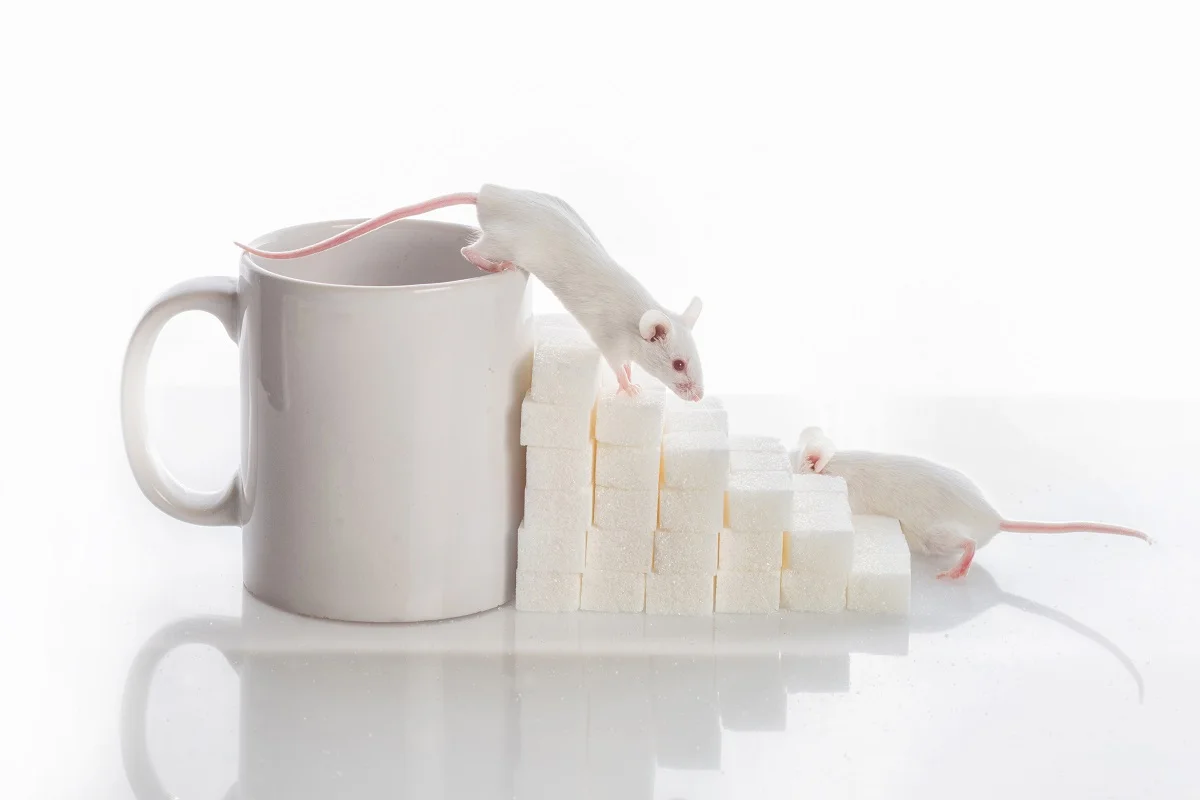 A mouse model study mirrored the human results, finding that mice on a high-sugar diet developed an overgrowth of bad gut bacteria when on antibiotics.For each meal included in the analysis, patients completed a questionnaire asking them to record the amount of each item that they ate and drank.
Enlisting the help of hospital kitchen staff to track nutritional information for these meals, the scientists recorded more than 40,000 food items, which they say is an “unprecedented dataset with a level of detail that’s rarely possible in nutrition research.”
For each patient, the researchers tracked between eight and 128 meals across a period ranging from 12 days before transplantation to 49 days after the surgery. They also analyzed more than 1,000 patient stool samples to monitor changes in the gut microbiome.
“Unlike past nutrition studies that rely on patients’ memories of what they ate or other imprecise surveys, we had meticulous dietary records collected in real time,” says Van den Brink. “This enabled us to look for patterns that otherwise might be impossible to detect.”
Sugar-microbiome interaction patterns
Using a variety of advanced statistical models, the researchers assessed the data to link patterns to injury of the gut microbiome.
“No matter how we analyzed the data, the same strong signal kept appearing,” shares Van den Brink. “The patients who consumed more sweets while taking antibiotics were more likely to experience a loss of microbiome diversity as aggressive microbes crowded out other strains of bacteria.”
One bacteria, Enterococcus, was particularly interesting to the researchers. They explain that when it takes over the microbiome, patients undergoing allogeneic hematopoietic cell transplant face a higher risk of bloodstream infections and graft-versus-host disease, among other life-threatening complications.
For every 100 g increase in foods such as sugars, sweets, and beverages after antibiotic exposure, the researchers’ model predicted an additional 24.1% decrease in bacterial diversity compared with samples without previous antibiotic exposure.
Mouse model study mirrors human data
To test their theory that sugar worsens microbiome injury, the researchers administered broad-spectrum antibiotics to healthy mice and fed them a variety of diets.
They found that mice that ate a high-sucrose diet, while on antibiotics, quickly developed an overgrowth of Enterococcus in their guts. Meanwhile, those that ate the high-sugar diet without antibiotics maintained normal bacterial diversity.
“The fact that animal studies support associations we found in patient data provides a compelling rationale for future clinical trials to evaluate whether reducing sugar intake during antibiotic use would protect the microbiome,” says Van den Brink.
“The microbiome is emerging as an important factor in cancer care. The better we understand what supports and disrupts it, the more opportunities we have to reduce treatment side effects while improving how patients respond to and recover from therapy.”
Van den Brink adds that some of the foods and drinks clinicians often advise hospitalized patients to consume — such as nutritional shakes, smoothies, and sports drinks — are high in sugar content. “That’s something we’ll need to evaluate when prescribing antibiotics,” he notes.
Antibiotic stewardship
Van den Brink says that one practical takeaway from the study for physicians is that “antibiotic stewardship” matters beyond preventing antibiotic resistance.
“Antibiotic stewardship includes thinking about how different antibiotics affect the microbiome,” he explains. “Our study demonstrates that some antibiotics disrupt beneficial gut bacteria more than others.”
He further encourages patients to preserve their microbiome health through asking their health care team whether their antibiotics are thoughtfully chosen from equally effective treatment options for controlling infections.
“It’s premature to recommend everyone taking antibiotics to avoid sugar,” he says. “On the other hand, we don’t have strong evidence that probiotics help preserve or restore microbiome diversity and many people choose to take them anyway. There’s no harm in limiting sugar in your diet, and it’s an easy thing to try.”
A previous study in Brazilian diets pinpointed added sugar in local foods as the “villain” in the relationship between stomach cancer and an unhealthy diet, while salt was also found to increase the risk of tumors in people with habits considered healthy.