



Cutting sucrose from low-fat diet may disrupt gut microbiome, mouse study suggests


Key takeaways
- Removing sucrose from a low-fat diet disrupted the gut microbiome in mice in a new study, increasing inflammation without reducing body weight.
- The researchers speculate that negative health outcomes likely arose from replacing the sugar with starch, shifting the overall carbohydrate composition.
- Focusing solely on sugar elimination rather than balanced nutrition can cause unintended metabolic issues by harming beneficial gut bacteria, conclude the authors.

A new mouse model study suggests that completely removing sucrose in a low-sugar diet could disrupt gut health, which can lead to inflammation and metabolic dysfunction. The authors of the preliminary research argue that balanced nutrition is more important than eliminating sugar. However, they note future human clinical trials are needed to form solid conclusions.
Exploring the findings, Nutrition Insight speaks to study lead author Rasheed Ahmad, Ph.D., from the Dasman Diabetes Institute, Kuwait City, Kuwait.
“In our study, removing sucrose from a low-fat diet did not reduce body weight, but it was linked to gut dysbiosis, colonic inflammation, impaired glucose control, and fatty liver changes.”
“This challenges the idea that sugar reduction is automatically beneficial and highlights that diet quality depends on the full nutrient composition, not just lowering one ingredient. More broadly, the results suggest that dietary strategies for weight management and metabolic health should also consider how foods support beneficial gut bacteria and intestinal immune balance.”
He explains that dysbiosis caused by eliminating sucrose may have reduced the mice’s mucosal immune homeostasis in the study — when a balanced immune system in the gut’s mucous membranes protects against pathogens — and promoted inflammation in the colon.
Ahmad says this was reflected by goblet cell loss, immune-cell infiltration, and increased inflammatory cytokine expression.
“Importantly, these effects may also reflect the compensatory increase in starch used to maintain isocaloric conditions, indicating that the phenotype likely arose from the overall change in carbohydrate composition rather than sucrose removal alone.”
Impact on good and bad bacteria
For 16 weeks, the researchers compared the effects of a sucrose-free low-fat diet to those of a sucrose-containing low-fat control diet in two groups of mice. “Removing sucrose from the low-fat diet likely altered the availability of fermentable carbohydrates that help maintain a stable gut microbial ecosystem,” Ahmad tells us.
“The clearest microbiome change was a drop in overall gut bacterial diversity in mice fed the sucrose-free diet,” he continues. “This was associated with depletion of beneficial SCFA-producing taxa, such as Lactobacillus murinus, Ruminococcus, and Lachnospiraceae.”
“Meanwhile, bacteria associated with inflammation, such as Helicobacter ganmani, Odoribacter splanchnicus, and Alistipes spp., increased.”
Ahmad says these differences were seen consistently across the animals, with all samples in the sucrose-free group clustering separately from controls in the microbiome analysis. “Overall, the findings suggest that removing sucrose from the low-fat diet shifted the gut microbiome toward a less stable and more inflammatory state.”
Effects on glucose tolerance and hormones
The researchers also evaluated each of the diets’ effects on glucose tolerance, insulin sensitivity, circulating metabolic hormones, the gut microbiome, and inflammation in the colon and liver.
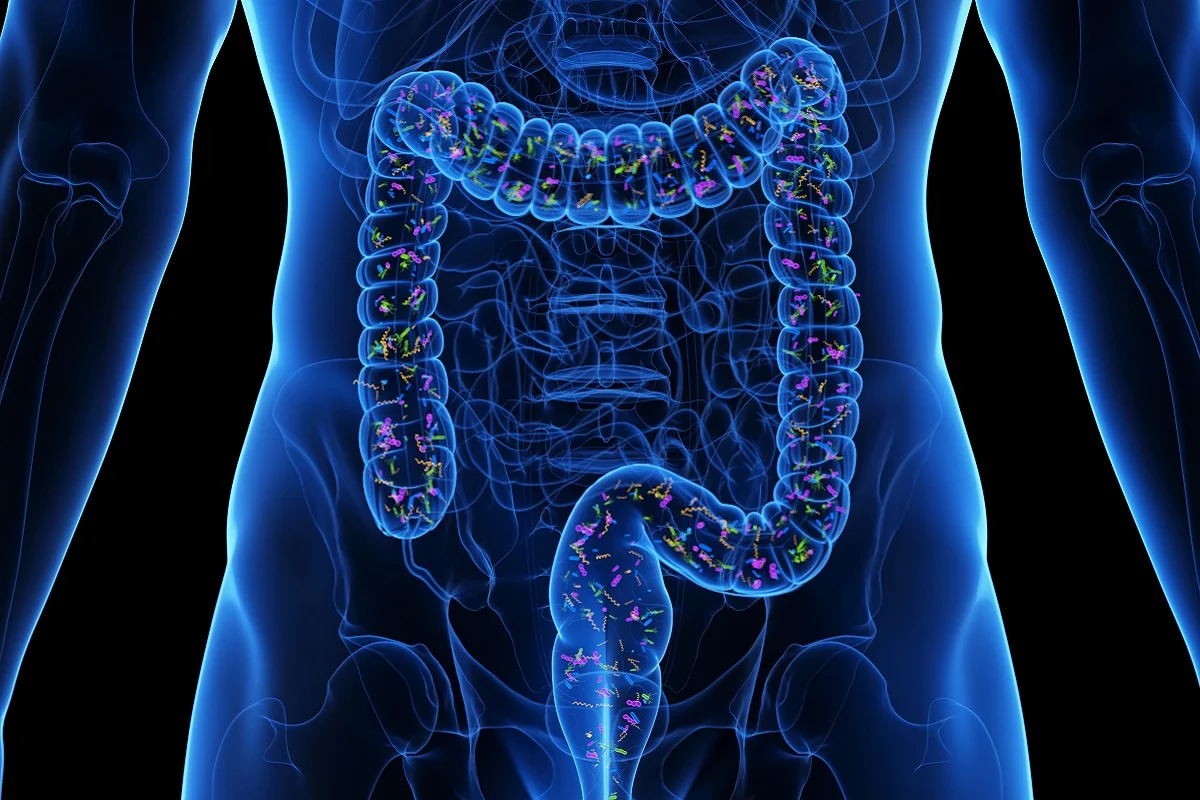 Future human studies are needed to evaluate whether some forms of sugar restriction may have unintended metabolic effects if they disrupt gut microbial and immune homeostasis.They note that mice that were fed the sucrose-free diet developed impaired glucose control, insulin resistance, gut microbial imbalance, intestinal inflammation, and fatty liver changes, despite having no significant differences in body weight compared with control mice.
“The findings suggest that complete removal of sucrose from a low-fat diet may negatively affect gut microbiota and metabolic health,” says Ahmad. “The study highlights the importance of maintaining balanced dietary carbohydrates to support gut and immune homeostasis.”
Until now, the consequences of restrictive diets that eliminate sugar from a low-fat diet were unknown.
“This research may influence future dietary recommendations by emphasizing the importance of maintaining a healthy gut microbiome rather than focusing only on sugar restriction,” Ahmad continues. “In the long term, these findings could help improve strategies for preventing and managing metabolic disorders, fatty liver disease, and chronic inflammatory conditions.”
Future clinical directions
Based on these findings, Ahmad says the next step is to conduct well-controlled human studies and clinical trials that test sugar restriction within the context of the overall carbohydrate composition in the diet.
“These studies should track not only body weight and glucose control, but also gut microbiome changes, inflammatory markers, liver health, and microbial metabolites such as short-chain fatty acids. It will also be important to distinguish the effects of removing sugar itself from the effects of replacing it with other carbohydrates such as starch or alternative sweeteners,” he explains.
“Overall, our results suggest that future human studies should evaluate whether some forms of sugar restriction may have unintended metabolic effects if they disrupt gut microbial and immune homeostasis.”
While the study has not been published yet, the researchers presented its findings at ENDO 2026, the Endocrine Society’s annual meeting in Chicago, Illinois, US (Jun 13–16).
Meanwhile, research evidencing the health benefits of sugar reduction continues to expand. An earlier study found that cutting sugar consumption early in life lowers the risks for various heart conditions later in adulthood, including heart attack, heart failure, and stroke.