


Webinar preview: Sabinsa targets dose load as formulators stack longevity actives


Key takeaways
- Tetrahydrocurcuminoid lifespan data comes from Drosophila, while Sabinsa says direct human clinical evidence linking the ingredient to SIRT1 activation is still missing.
- EFSA’s 2021 Novel Food opinion concluded that tetrahydrocurcuminoids were safe at up to 140 mg/day for adults, below the applicant’s proposed 300 mg/day.
- Sabinsa identifies cellular senescence as the aging hallmark least served by today’s ingredient toolkit.

Several biological systems break down at once as the body ages. Redox balance shifts, immune activity tips toward chronic low-grade inflammation, metabolic flexibility fades, the gut barrier weakens, and cognitive sharpness dulls. Researchers group these changes under the hallmarks of aging, and that framework is reshaping how the nutrition industry approaches longevity formulation.
Ahead of Sabinsa’s webinar “Aging Is Inevitable. Longevity Is Negotiable,” on September 17, 2026, at 15:00 CEST, Nutrition Insight speaks with Dr. Umar Jan, the company’s president of European operations, about what the science currently supports, where the evidence runs out, and what brands can put on a label today.
The webinar covers curcumin’s reduced metabolites, the black seed active thymoquinone, the resveratrol analog pterostilbene, and spore-forming pro- and postbiotics for gut barrier support. Dr. Jan looks at curcumin in depth and discusses the constraints that apply to all of them.
The sirtuin gap
According to Dr. Jan, the underlying Drosophila study found that tetrahydrocurcumin, a major tetrahydrocurcuminoid, extended lifespan in fruit flies through a mechanism dependent on silent information regulator 2 (Sir2) and forkhead box class O (FOXO). Sir2, the Drosophila homolog of the mammalian Sirtuin 1 (SIRT1), and FOXO are transcription factors that switch on stress and nutrient-deprivation genes when insulin signaling falls. However, Dr. Jan draws a clear line between that finding and human application.
Sabinsa’s tetrahydrocurcuminoid offering comes in the form of its Curcumin C3 Reduct ingredient, which received a Novel Food positive opinion in Great Britain in June of 2026.
“The mechanistic link between Curcumin C3 Reduct and SIRT1 and Sir2 is compelling but still preclinical,” he says, noting the result rests on genetic studies in Drosophila fruit flies rather than direct human data.
The bridge he offers instead runs through adenosine monophosphate-activated protein kinase (AMPK), an upstream activator of SIRT1. Sabinsa reports that tetrahydrocurcuminoids activate AMPK at roughly 250 times the potency of curcumin. Dr. Jan says that this difference makes the longevity pathway biologically plausible. He also identifies an outstanding gap in the evidence base.
“Dedicated human clinical data directly linking tetrahydrocurcuminoid intake to SIRT1 activation remains an evidence gap and a significant research opportunity the industry should pursue,” he stresses.
On dosing, the European Food Safety Authority (EFSA) Novel Food opinion assesses up to 140 mg/day of tetrahydrocurcuminoids as safe for adults, excluding pregnant and breastfeeding women. Dr. Jan notes that the figure is about half of what was originally requested, reflecting a conservative safety margin set by the panel. Sabinsa reports a single-center, open-label 28-day safety study in 20 healthy adults given 300 mg/day, in which no adverse effects were observed.
Epigenetic clocks and cytokines
One challenge that Dr. Jan points out is that no trial can run long enough to measure whether an ingredient extends human life, so the category relies on surrogate markers. Dr. Dr. Jan accepts several, but says he trusts none of them if they are taken in isolation.
Dr. Jan also notes that chronic low-grade inflammation, or inflammaging, can be tracked through interleukin-6 (IL-6) and C-reactive protein. He states that both rise with age and have been linked to frailty and reduced physical performance, and IL-6 has been identified as an independent predictor of mortality in longitudinal cohorts.
Dr. Jan also points out that second-generation epigenetic clocks give a different read. Second-generation clocks such as GrimAge and PhenoAge clocks were designed to capture aspects of physiological aging and mortality risk rather than simply estimate chronological age. Dr. Jan notes that GrimAge shows strong associations with all-cause mortality and disease-specific risk, and PhenoAge captures broader physiological decline.
“I don’t think any single marker can tell the whole story,” says Dr. Jan. “The most convincing evidence comes when several measures move together; for example, inflammatory markers improving alongside metabolic and epigenetic signals, which points to a coordinated response rather than an isolated effect on one pathway.”
Capsule count constraints
Dr. Jan highlights that a systems-level approach implies addressing multiple pathways at once. He adds that formulation constraints limit how far that can go inside a single product.
“This is the honest conversation the industry needs to have more openly. The science supports a multi-pathway approach, but formulation reality imposes real constraints. Dose load is the first ceiling you hit,” says Dr. Jan.
“When you stack curcuminoids, resveratrol, ashwagandha, alpha-lipoic acid, and a probiotic, you are looking at a capsule count that strains consumer compliance before you have even addressed taste or cost.”
His alternative is tiering rather than consolidation.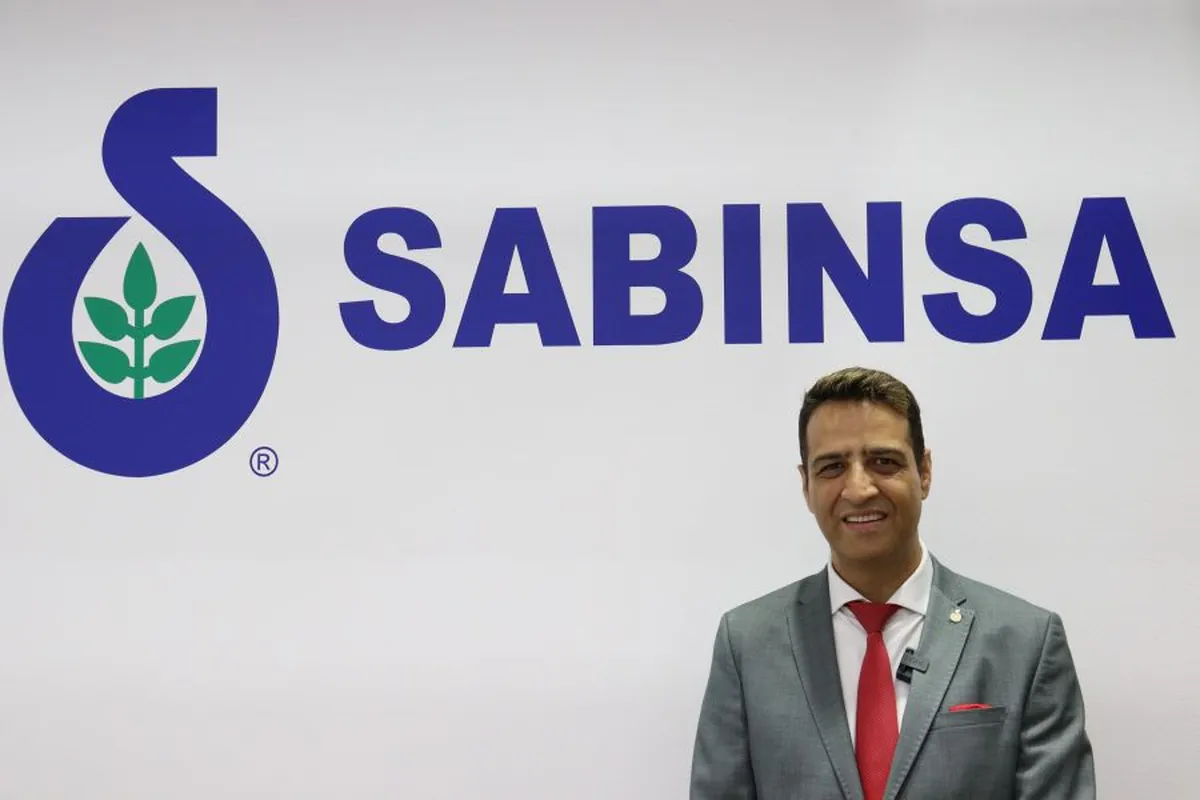 Dr. Umar Jan, Sabinsa’s president of European operations.
“My view is that the systems approach does not require putting everything into a single SKU,” Dr. Jan underscores. “A better strategy is to think in tiers: a foundational daily formula addressing oxidative stress and metabolic balance, with targeted additions for specific concerns like joint health or stress resilience.”
He further explains that concentrated, standardized extracts ease the dose load, which is why standardization matters beyond regulatory compliance. On price, Dr. Jan argues the category can carry it.
“The consumer willing to invest in longevity is generally not the consumer shopping on price alone,” he asserts.
Claiming the mechanism
Another challenge facing the longevity category is that broad anti-aging claims face significant regulatory constraints in both the US nor EU. Asked what remains available, Dr. Jan says there is, “Quite a lot, actually, if you understand the framework.”
In the US, structure and function claims under the Dietary Supplement Health and Education Act of 1994 (DSHEA) offer what he describes as meaningful latitude when used precisely.
“You cannot say an ingredient slows aging, but you can say it supports a healthy inflammatory response, helps maintain cardiovascular function, or supports the body’s natural antioxidant defenses.”
The EU is tighter. Authorized health claims are limited to a defined list. However, Dr. Jan argues that brands can use broader vitality and healthy aging positioning in some marketing contexts, while keeping regulated on-pack health claims within the applicable framework. His advice to brands is to claim the mechanism rather than the category.
“A claim about supporting healthy cortisol levels in the context of stress is more credible and more defensible than vague longevity positioning. Precision serves both the regulator and the consumer.”
The unserved aging hallmark
Asked which hallmark of aging the current ingredient toolkit serves worst, Dr. Jan points to cellular senescence.
“The biggest gap, in my view, is cellular senescence, which refers to older or damaged cells that stop functioning normally but don't always get cleared from the body,” he says. “As these cells build up with age, they can contribute to inflammation and other changes associated with aging.”
“Quercetin and fisetin, for example, are being studied for their potential to help clear or quiet these aging cells. The early research is promising, but there is still much to learn, particularly from human studies.”
"We already have a better understanding of ingredients that support healthy inflammation, oxidative stress, and metabolism,” Dr. Jan concludes. “Cellular senescence is one area where the science is still developing, and I think it will be an important area to watch as researchers continue to explore new approaches to healthy aging.”