



Study links prebiotics, fatty liver disease & gut microbiota in overweight adults


Key takeaways
- Finnish researchers found that XOS prebiotic supplementation may help reduce harmful gut-derived metabolic byproducts linked to liver fat accumulation.
- The benefits were strongest in overweight individuals with imbalanced gut microbiota and early-stage fatty liver disease, with some also showing reduced visceral fat.
- The study suggests XOS could support personalized nutrition strategies for MASLD, though larger targeted trials are needed to confirm the findings.
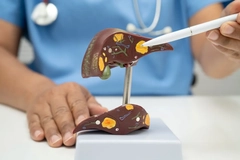
A Finnish study has linked fiber supplementation to potentially reducing harmful metabolic byproducts in the gut and improving liver health. The researchers claim that the study is the first of its kind to investigate prebiotic xylo-oligosaccharides’ (XOS) effect on human fatty liver disease.
The results were dependent on the microbiota’s composition before starting the prebiotic, as people with more imbalance got higher benefits from the supplementation. These individuals also showed a reduction in visceral fat.
The researchers, from the University of Jyväskylä, says 75% of overweight or obese people develop metabolic dysfunction-associated steatotic liver disease (MASLD), which may progress to liver cancer or cirrhosis if left untreated.
They urge complementary treatments to tackle this issue, as positive lifestyle changes are the current primary approach, which may be challenging for some to achieve.
Microbiota connection
The study, published in npj Gut and Liver, included 42 adults. They were all overweight and consumed a daily dose of 2.8 g of XOS prebiotic powder for four months.
The researchers used MRIs to assess the participants’ liver fat content prior to and after the supplementation period. They found that XOS supplementation reduced certain harmful amino acid-derived metabolites in the gut, which have been linked previously to liver fat accumulation.
“Our findings suggest that, when applied to the right target group, XOS can restore gut fermentation balance, reduce the production of harmful metabolites, and thereby benefit liver health,” says Jukka Hintikka, first author of the study and a researcher at the University of Jyväskylä.
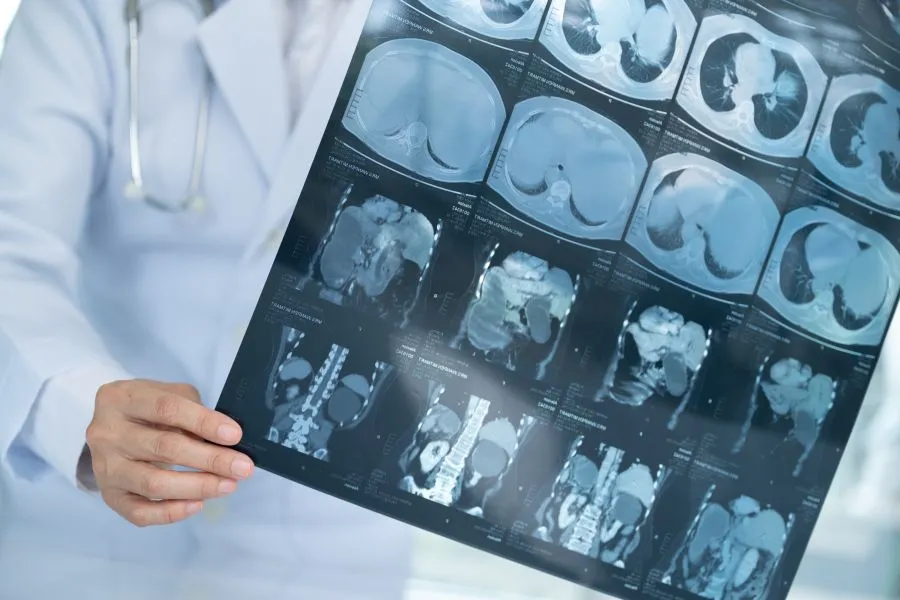 The researchers used MRIs to assess the participants’ liver fat content prior to and after the supplementation period.The study also found that the prebiotic was more effective in individuals with an imbalanced microbiota, as higher levels of protein fermentation were observed in the gut compared to carbohydrate fermentation. It also helped rebalance microbial composition, say the researchers.
However, for the participants suffering a more advanced stage of fatty liver disease, the effects of the prebiotic were weaker or not observed.
The authors note that XOS may correct fermentation imbalances in the gut in overweight individuals with early hepatic steatosis, and decrease production of harmful metabolites, which may benefit liver health.
“In the future, our findings may contribute to the development of personalized treatments for fatty liver disease,” says Hintikka. “However, larger and more targeted studies are still needed to confirm these results.”
Fatty liver disease in studies
Another recent study, also conducted in Finland, found that fatty liver disease implications may originate from maternal health and diet during pregnancy, causing long-term implications for children’s and adolescents’ liver health. The study investigated associations between prenatal and lifestyle factors by analyzing maternal health during pregnancy and the child’s metabolism, diet, lifestyle, and body composition.
A US-based study found that certain fats used in infant formula can lead to liver disease. Scientists fed newborn pigs formula containing specific medium-chain fats and found that they developed liver fat faster than piglets fed long-chain fats, even though the formula contained the same amount of protein and calories.
The US researchers investigated steatotic liver disease, also known as non-alcoholic liver disease, which occurs when fat builds up in the liver. Similar to MASLD, this used to be a condition affecting obese adults, but has increasingly been diagnosed in children and some infants.