



Infant formula fats linked to fatty liver disease in new study

Key takeaways
- A study on newborn pigs found that medium-chain fats in infant formula accelerate liver fat accumulation, potentially leading to liver disease.
- Liver disease development in infants differs from that in adults, with fat accumulating despite increased fat-burning.
- The study calls for improved formula ingredients to better support infant liver health without discouraging formula use.

A US study has found that certain fats used in infant formula can lead to liver disease. Scientists fed newborn pigs formula containing specific medium-chain fats and found that they developed liver fat faster than piglets fed long-chain fats, even though the formula contained the same amount of protein and calories.
Steatotic liver disease, also known as non-alcoholic liver disease, occurs when fat builds up in the liver. This used to be a condition affecting obese adults, but has increasingly been diagnosed in children and some infants.
The researchers also found that liver disease develops differently in early life than in adulthood. In developing livers, fat accumulates even as fat burning increases, whereas in adults, fat builds up when the liver slows down its fat burning.

The study findings raise questions about how early-life nutrition impacts liver health.
Long-chain vs medium-chain
The researchers used infant piglets to study how the fats in infant formulas impact liver metabolism. Newborn pigs are commonly used in nutrition research as their fat metabolism and digestion resemble those of human infants.
Infant formulas usually contain blends of plant-based oils to resemble the fat composition of breast milk.
In the study, two formulas were used with identical ingredients except for the fat type. One was derived from coconut oil, a common fat source for infant formula, making it rich in medium-chain fatty acids. The other formula was derived from animal fat, making it rich in long-chain fatty acids, and resembles whole sow milk.
The study, published in the American Journal of Physiology-Endocrinology and Metabolism, found that piglets fed the coconut-derived formula accumulated liver fat faster than the piglets fed the animal fat.
“Even within seven days, we could see fat starting to build up in the liver. By about two weeks, it had progressed from simple steatosis to a more severe inflammatory form of the disease,” says lead researcher Samer El-Kadi, associate professor at the School of Animal Sciences, Virginia, US.
He explains that normally, increased fat burning is expected to protect the liver from fat buildup. However, the opposite happened in this study.
“We saw the liver activate both fat-making and fat-burning pathways at the same time. Even with those adaptive responses, the developing liver became overwhelmed. That was surprising to us. Based on what we know from adult disease, increased fat burning should have been protective.”
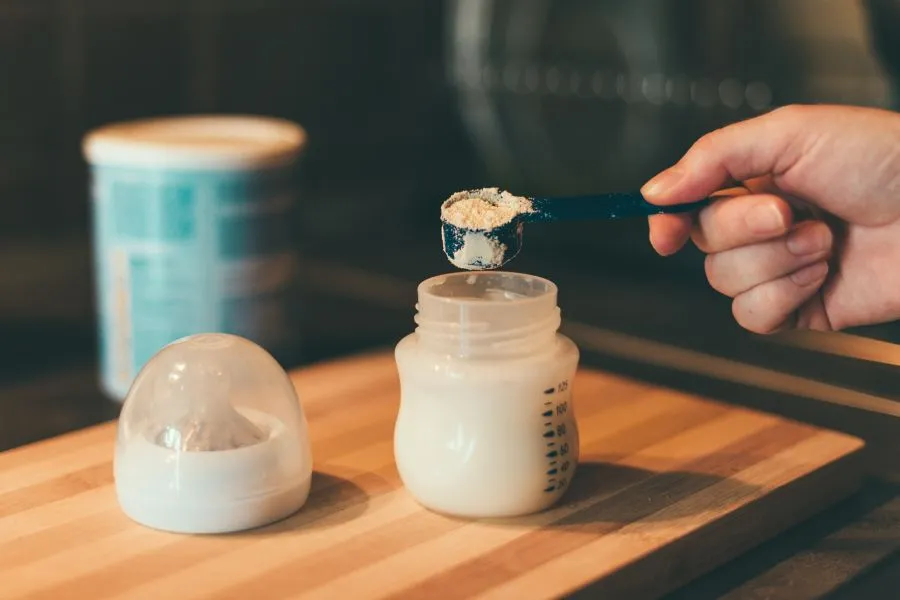 Infant formula is critical when human milk is not an option.Calling for industry change
Rather than advising parents to avoid infant formula, El-Kadi urges the industry to design better products.
Even though human breast milk is the “gold standard” for human nutrition, formula is critical and often even lifesaving when human milk is not an option.
“The immediate benefits of feeding far outweigh any potential long-term risks. Our goal is not to discourage formula use. It’s to understand how different components of formulas affect the developing body, so they can be improved over time,” says El-Kadi.
“If we understand how early nutrition shapes liver metabolism, that knowledge can eventually help guide better nutritional strategies.”
Companies are increasingly stepping up innovation in this field. US-based MaiaMilk recently launched shelf-stable, medical-grade human donor milk powder for infants, previously available only in neonatal intensive care units. Unlike formulas made with synthetic ingredients that approximate breast milk, it is 100% human donor milk and can be used at home after transitioning from the hospital.