

Polyphenol-rich diets linked to reduced inflammaging in older adults


Key takeaways
- Older adults consuming a polyphenol-rich diet showed significant reductions in pro-inflammatory markers, including interleukin-6 and C-reactive protein.
- The diet increased gut microbiota diversity and boosted beneficial bacterial genera such as Blautia and Dorea, supporting immune and metabolic health.
- Findings suggest polyphenol-rich foods may offer a practical nutritional strategy to support healthy aging, though results remain correlational rather than causal.
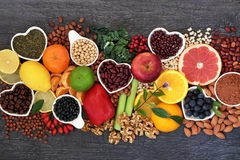
A new study has found evidence on polyphenol-rich diets and healthy aging. Researchers link the growing popularity of these compounds in fruits, vegetables, tea, and cocoa, to their potential to reduce inflammaging. This chronic, low-grade inflammation drives the development of aging-related diseases.
The publication in Microbiome Research Reports involved 50 participants aged 60 and over who consumed a polyphenol-rich diet, resulting in a significant decrease in pro-inflammatory markers, such as interleukin-6 and C-reactive protein. Researchers also observed improved gut microbiota diversity and an increase in beneficial bacteria.
The randomized crossover clinical trial suggests that polyphenol-rich diets may promote healthy aging.
In the future, the researchers seek to pinpoint specific bioactive polyphenols to examine their interactions in the gut-immune system. This would further support the importance of diet in maintaining health and protecting microbiomes.
Nutrition solution to inflammaging
With an aging global population, inflammaging has emerged as a public health issue, underscore researchers from the University of Milano-Bicocca and University of Milan, Italy. The condition speeds up biological aging and triggers metabolic, cardiovascular, and neurodegenerative diseases.
In this space, the microbiome emerges as a major regulator of inflammaging, connecting diet, metabolism, and immune processes. Polyphenols can also modulate gut microbiota and inflammation.
The researchers divided participants in two groups, with either high or low inflammation. For eight weeks, participants consumed either a control diet or a polyphenol-rich diet with foods such as berries, apples, green tea, and dark chocolate over eight weeks. After a two-week washout period, participants switched to the other diets for another eight weeks.
Researchers tracked gut changes in microbiome and metabolic pathways using advanced metagenomics and metabolomics analyses. In participants on the control diet, they saw reduced pro-inflammatory markers, particularly interleukin-6 and C-reactive protein. Also, beneficial bacterial genera like Blautia and Dorea multiplied.
The authors believe the findings offer a simple and effective nutritional strategy against inflammation and support healthy aging. They also note that older adults should be categorized based on their inflammatory and microbial profiles when designing diets.
However, they note: “Given the post-hoc nature of the analyses in this study, all observed relationships between dietary intervention, inflammatory markers, gut microbiota, and metabolome should be interpreted as correlational rather than indicative of causality.”
Polyphenols in recent headlines
Consuming polyphenol-rich foods and drinks — including tea, coffee, berries, cocoa, nuts, whole grains, and olive oil — may have improved long-term heart health, according to recent cardiovascular disease research on 3,100 adults.
In recent innovations, NXT USA’s polyphenol blend was noted to outperform NAD+ precursor, nicotinamide riboside, for healthy aging.
Research has also revealed that daily supplementation with 740 mg of Euromed’s high-polyphenol pomegranate extract Pomanox leads to a small but statistically significant boost in insulin-like growth factor-1 for older adults.
Lastly, scientists in Spain have found that applying high heat to fruit and vegetable smoothies increases the absorption of beneficial polyphenols in the human gut microbiome.