




Enzyme helps infant Bifidobacterium feed on breast milk sugars absent from formula

Key takeaways
- Researchers find that PNGaseA helps some Bifidobacterium species feed on sugars bound to short protein chains in breast milk.
- These glycopeptide sugars are absent from infant formula, but replicating them could bring formula closer to human milk and inform prebiotic and synbiotic design.
- The study reports the first structure of a PNGase enzyme bound to an N-glycopeptide, which also offers clues to how related enzymes recognize their targets.

Microbiologists have discovered that an enzyme, not typically associated with gut microbial activity, plays a key role in how certain Bifidobacterium species access sugars in breast milk. Alongside other milk sugars, these are believed to stimulate the growth of infant-associated Bifidobacteria.
The scientists believe that their findings will inform future formulas for infants who are not breastfed.
The lab study focused on the enzyme PNGaseA, which is typically involved in animal and plant processes, such as recycling important cellular components.
“We searched for PNGaseF superfamily members, which are associated with bacterial and nutrient acquisition, but the only match we got was PNGaseA,” Dr. Lucy Crouch, Wellcome Trust Sir Henry Dale Fellow and associate professor at the University of Birmingham, UK, tells Nutrition Insight.

New bacterial food sources
The team says its study provides a new understanding of the feeding preferences of bacteria in the infant gut microbiome.
The Nature Communications study found that some Bifidobacterium species produce PNGaseA to metabolize specific sugars on protein chains — glycopeptides — in breast milk that are not found in infant formula.
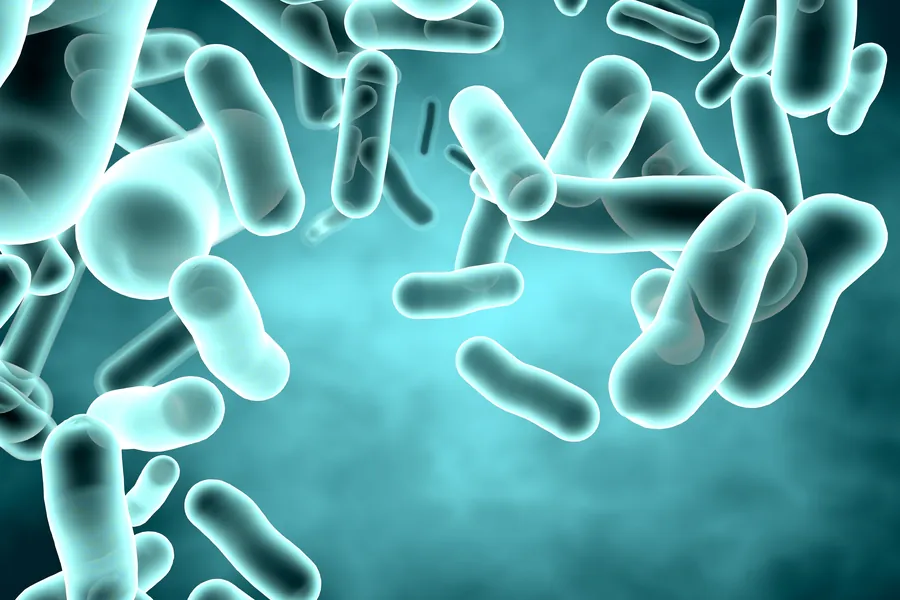 The study finds that some Bifidobacterium species produce PNGaseA to metabolize specific sugars on protein chains.The paper details that N-glycans are a significant nutrient source for gut bacteria, with Bifidobacterium bifidum LMG13195 using a PNGaseA-family enzyme to access them. The enzymes showed a preference for N-glycans on glycopeptides.
N-glycans come from the host and from dietary plant and animal sources, while yeasts produce large mannan N-glycan structures in their cell walls, the study adds.
“In terms of the enzyme structure, this is the first PNGase (F or A) to have peptide and glycan [N-glycopeptide] present in the active site, so the interactions between enzyme and substrate can be observed in detail for the first time,” shares Crouch.
“This is a breakthrough in our understanding of the molecular mechanisms that underpin this type of activity and related activities carried out by other enzymes.”
Study co-author Ramón Hurtado-Guerrero, professor at the University of Zaragoza in Spain, adds that this structure reveals that the enzyme recognizes the sugar and the attached protein fragment, and offers clues to how other related enzymes like PNGaseF might recognize their targets.
Replicating milk glycoprotein and synbiotics
Since these specific sugars are absent from infant formula, Crouch believes that replicating them could improve formula quality. “Replicating them will be possible. The glycoprotein will likely come from an animal source.”
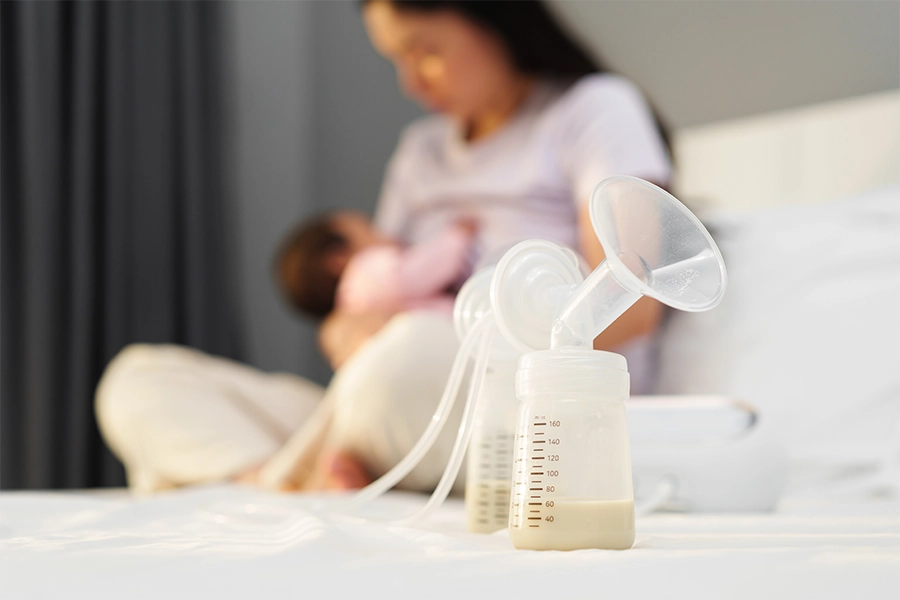 While HMOs are an important food source for Bifidobacterium, Crouch says the importance of glycopeptides to the bacteria is not yet known.Although some aspects of breast milk cannot be replicated synthetically, she says that identifying all the components that support beneficial bacteria can help develop solutions to bring formula even closer to human milk.
While human milk oligosaccharides (HMOs) are an important food source for Bifidobacterium, Crouch says the importance of glycopeptides to the bacteria is not yet known.
“HMOs are the primary nutrient source for infant-associated Bifidobacterium species, but other human-derived glycans do have important roles as sources of nutrition. The details still need to be determined,” she says.
Furthermore, Crouch notes that the study could inform synbiotic design, for example, pairing PNGaseA-producing strains with matching substrates. “This is what my lab is working toward achieving.”
“The next steps for our lab will be assessing how infant-associated Bifidobacterium species use N-glycans as a nutrient source overall — this paper only represents one part of a bigger story,” she adds. “Work in the Crouch Lab will predominantly focus on understanding the complexities of the infant-colonic microbiota and how they access nutrient sources and cross-feed them between species.”
Infant gut microbiome in headlines
Bifidobacteria are key bacteria in infants’ gut microbiomes. In January 2026, researchers identified a Bifidobacteria-derived metabolite, 4-OH-PLA, that suppresses IgE production linked to allergies and asthma. The findings support preventive strategies using targeted probiotics or enriched infant formula, with clinical trials underway in Denmark.
Other studies found that probiotic B. infantis supplementation can restore beneficial gut bacteria in exclusively breastfed infants, even beyond the newborn stage.
Meanwhile, Morinaga Milk’s recent study found that higher levels of gut Bifidobacteria were associated with lower inflammatory responses in immune cells.