




Experts urge wider plant protein variety on retail shelves for sustainable and healthy diets

Key takeaways
- When food prices rise, shoppers cut back on meat far more than on plant-based proteins, according to a study of 87,000 grocery buyers.
- Socioeconomic factors like income shape plant-based choices more than education, and lower-income shoppers are more price-sensitive overall.
- Whole plant foods like beans, lentils, and peas can be cheaper than meat, while processed plant-based substitutes can cost more.

New research reveals a surprising pattern in how price affects food: when prices rise, people cut back on meat much more than they do on plant-based proteins.
The authors of the study find that purchasing more plant-based proteins might reduce grocery bills, yet price sensitivity varies between protein types, with meat being significantly more sensitive than plant-based proteins.
The study used real grocery purchase data from over 58,000 shoppers in Canada and 29,000 shoppers in Finland. It finds that socioeconomic factors influence purchasing decisions, as income impacts plant-based choices more than education.
“When prices rose, people bought less, and that was true for both animal-based and plant-based proteins. What surprised us was that price differences hit meat purchases harder than plant-based ones,” says study lead author Cameron McRae, postdoctoral fellow at Simon Fraser University, Canada.

“Price has often been described as a major barrier to buying plant-based foods, but our data suggests the relationship is more complicated.”
The researchers underscore that for more sustainable diet shifts involving greater whole foods over processed alternatives, a broader range of affordable plant-based options is necessary.
Price sensitivity
The study in Nature collected grocery purchase data over two-year periods so the team could analyze what people bought, not just what they said they might buy.
Researchers tracked plant-based protein purchases, such as legumes, beverages like soy, almond, and oat milks, tofu, and other meat substitutes. Fourteen animal-based categories were also analyzed, such as beef, pork, poultry, eggs, and dairy.
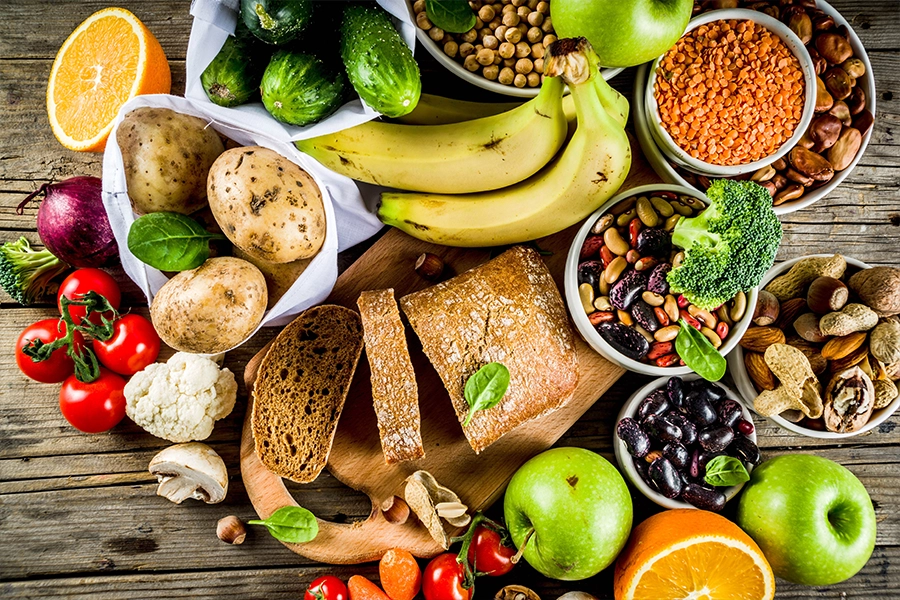 For more sustainable diet shifts involving greater whole foods over processed alternatives, a broader range of affordable plant-based options is necessary.The team then measured how changes in price influenced each kind of purchase. People adjusted their meat purchases more than plant-based protein purchases when prices rose or dropped. The study notes that those with lower socioeconomic status were more price sensitive.
Increase variety
High and low-income shoppers showed a smaller gap when purchasing plant-based products than for animal-based ones. Based on this, the researchers indicate that pricing and product variety are important for those who can realistically access more sustainable food options.
McRae adds that since plant-based food is more climate-friendly, there needs to be more variety and flexibility for affordable options. “With meat, shoppers can usually trade down when prices are higher, choosing ground beef instead of steak, for example.”
“If there are only two or three plant-based options on the shelf, consumers who want those products have fewer cheaper alternatives to switch to. If sustainability is the goal, plant-based foods can’t remain a premium option.”
Price-saving initiatives
The research calls for more competitive pricing between animal and plant-based proteins. For instance, shoppers could find similar prices for a 2 L carton of dairy milk and a plant-based alternative.
Additionally, discounts and subsidies for plant-based purchases could motivate people to purchase more sustainably, suggest the researchers. Shoppers can also instantly save by swapping meat protein for legumes a few times a week.
“One-to-one substitutions, like plant-based cheese instead of dairy cheese, are often where grocery bills increase. Whole foods tell a very different story,” McRae explains.
“If people focus less on highly processed plant-based substitutes and more on whole foods like beans, lentils, and peas, a plant-forward diet can actually be less expensive overall.”