



Experts call for UK plant-based meat fortification standards and price cuts

Key takeaways
- Two research papers on plant-based meat tout its macronutrient profile but urge policies for standardized levels of key micronutrients.
- Plant-based meat contains fiber, helping consumers reach fiber goals amid low intake in UK diets.
- The researchers urge manufacturers to make plant-based meat more affordable for consumers to pick the healthier option rather than processed meat.
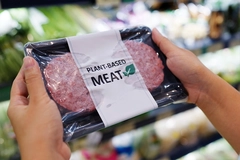
Two new studies demonstrate the nutritional benefits of plant-based meat over animal meat. One of them highlights that plant-based alternatives contain fiber and less saturated fat than conventional meat. The other paper suggests that swapping processed meat with popular plant-based alternatives leads to meaningful dietary improvements, such as increased fiber.
However, as micronutrient levels in plant-based meat vary considerably across products, the researchers and authors of both papers call for national guidelines to ensure plant-based alternatives are consistently fortified with essential vitamins and minerals.
From the London School of Hygiene and Tropical Medicine, the researchers examined the effects of replacing processed meat with the most popular, nutritionally balanced, or affordable plant-based meat options available in the UK.

The first study in Current Developments in Nutrition found that making this swap could increase fiber intake by 4–6%, reduce saturated fat intake by 6-7%, and salt intake by 3-4%.
This makes it the first time that researchers have confirmed that the difference can make a meaningful difference in people’s overall diet. This is especially important as UK adults exceed the recommended daily saturated fat intake, and 96% do not get enough fiber, per the latest National Dietary Survey.
Product profiles
The researchers note that although plant-based meat might be classified as ultra-processed food (UPF), most products used in the study did not have the typical nutrient profiles of unhealthy UPFs, which are high in salt, fat, and sugar.
Swapping traditional meat with plant-based alternatives can increase fiber intake by 4–6%, reduce saturated fat intake by 6-7%, and salt intake by 3-4%.Moreover, the products had “healthy” nutritional profiles, according to the UK Food Standards Agency’s Nutrient Profiling Model definition.
According to a recent European study, affordability and habits were found to be the main barriers to healthier diets, despite over half of them wanting to eat healthier.
Amy Williams, nutrition lead at nonprofit think tank the Good Food Institute Europe, agrees: “Many people want to follow healthier and more sustainable diets but find it hard to do so long-term because the available options are often more expensive or less convenient.”
The new study found that plant-based drinks and yogurts were cheaper than animal-based counterparts, but plant-based meat was more expensive. The researchers stress that action is required to make them more affordable.
Consistent micronutrient fortification is required
The second paper in Proceedings of the Nutrition Society reviewed the latest evidence on plant-based meat, finding that it contained more fiber and less saturated fat than traditional meat.
The researchers note that manufacturers are inconsistent in fortifying plant-based meat with essential vitamins and minerals, meaning nutritional quality varies across products.
There is a need for public health bodies to introduce national guidelines to make the nutrient levels in plant-based meat more consistent, urge the researchers.
This is especially important as there is a consumer demand for shorter ingredient lists, which may deter brands from developing foods that help consumers meet the recommended intake of all essential nutrients.
“Plant-based whole foods should be prioritized, but plant-based meat and dairy alternatives, when carefully selected, can serve as a key transitional bridge to transform food systems,” says Dr. Sarah Nájera Espinosa, lead author of both studies.
 There is a need for public health bodies to introduce national guidelines to make the nutrient levels in plant-based meat more consistent, urge the researchers.“Without policies to improve the affordability of plant-based meat alternatives, such shifts on a population level are unlikely, missing an opportunity to drive progress toward net-zero and health targets.”
For example, the researchers point out that the Netherlands introduced voluntary standards for plant-based meat as part of its national healthy eating guidelines, leading to over three-quarters of local products being fortified with micronutrients.
Transforming the food system
The researchers suggest producers fortify products with micronutrients that are found in animal-based meat and dairy, like iodine, calcium, iron, and vitamin B12. However, they could also add other nutrients not found in animal-based foods, which UK diets are lacking in, such as fiber.
“More actions on fortification standards for these products would also enhance their reliability as direct replacements for animal-based foods, support better product development, and inform regulations such as food-based dietary guidelines, while also guiding consumer and food procurement decisions,” comments Espinosa.
Williams says: “Both of these studies add to a growing body of research highlighting that plant-based meat provides a simple swap to help people reduce their consumption of processed meat.”
“Public health bodies should introduce guidelines to ensure these foods consistently provide a reliable source of micronutrients, while retailers and manufacturers must expand efforts to ensure they are affordable and appealing.”
Climate, health, and diet intersections
Food production drives 30% of global greenhouse gas (GHG) emissions and is transgressing the planetary boundaries. Animal-based diets produce significantly higher GHGs than plant-based diets, according to an EAT-Lancet report.
UN research predicts a 6% increase in global per capita consumption of animal-sourced foods over the next decade. With increasing urbanization, it anticipates a rise in this trend across lower- and middle-income countries by 24%.
This trend comes amid several recent research findings that vegan diets could decrease GHG emissions by 35% to 51% compared to animal-based foods while lowering land and water use and cutting communicable disease risks.