



Peanuts offer a rich protein source for building muscle among seniors, research finds

Key takeaways
- A daily serving of peanut butter significantly improved lower-body muscle power and sit-to-stand test speeds in seniors aged 66 to 89.
- The high protein and nutrient content in peanuts helped maintain muscle function and reduce fall risks without causing weight gain.
- This affordable whole food offers a practical and palatable alternative to expensive clinical nutrition supplements for healthy aging.
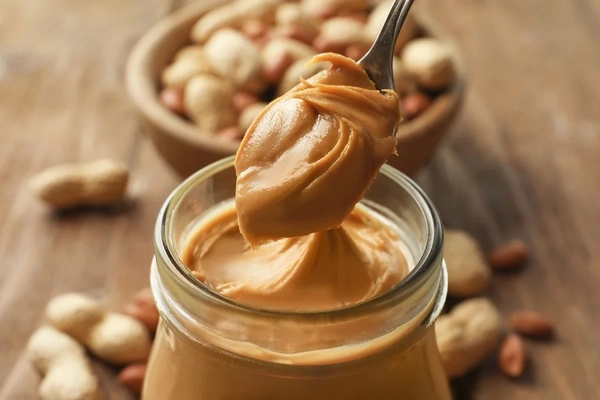
Research at Deakin University’s Institute for Physical Activity and Nutrition in Melbourne, Australia, has found that a daily serving of peanut butter is an easy and affordable way to significantly boost muscle power in seniors.
The six-month study involved 120 older adults aged 66 to 89 who were at risk for falls. It was funded by The Peanut Institute Foundation, which was not involved in the study design, implementation, analysis, or interpretation of the data or the writing of the manuscript.
Nutrition Insight speaks to Samara Sterling, Ph.D., a registered dietician and director of Research & Nutrition at The Peanut Institute, about the findings and how they may improve meal guidance for the elderly.

“The study showed that older adults who ate peanut butter each day for six months had better performance on the five-times sit-to-stand test and measurable gains in muscle power compared with controls,” she explains. “There are a few plausible mechanisms that can explain why scientists saw these results.”
“First, peanuts contain more protein than any other nut, so adding peanut butter meaningfully increases daily protein intake. The plant-based protein and amino acids in peanuts can help maintain muscle function as people age.”
Study participants consumed 10 g of protein each day from peanut butter. Another added benefit is that peanut butter is suitable for seniors with difficulties chewing, who might struggle to eat whole nuts, she adds.
Muscle-building peanuts
Half of the participants randomly assigned to the intervention group consumed 43 g (approximately three tablespoons) of a commercially available natural peanut butter daily. The other half continued their usual lifestyle, diet, and exercise routines.
After six months, each group completed five sit-to-stand tests. Having greater lower-body muscle power, participants who consumed peanut butter were able to complete the tests faster than the control group.
While the peanut butter group increased their intake of protein and unsaturated fat, they did not experience weight gain.
While the peanut butter group increased their intake of protein and unsaturated fat, they did not experience weight gain.The researchers say peanut butter can address seniors’ tendency to turn to over-the-counter oral nutrition supplements to improve their dietary intake. However, these can be expensive, and the unfamiliar taste may lead to poor uptake.
“Oral nutrition supplements are formulated to be nutritionally complete and are often used in clinical settings for malnourished patients. While peanut butter may not fully replace those products, it’s a familiar, affordable whole food that increases protein and energy intake in a practical way,” says Sterling.
“For generally healthy older adults, that simplicity and palatability may help improve adherence and promote healthy aging.”
Nutritional matrix
We ask Sterling whether the benefit is linked primarily to protein intake, healthy fats, or the overall food matrix of peanuts. “It’s likely a combination,” she responds. “The extra protein helps, but peanuts also provide unsaturated fats, micronutrients, and phytochemicals that work together. The overall food matrix probably contributes to the effect that was seen.”
“Peanut butter is also a source of vitamins, minerals, and bioactive compounds that help the body fight cellular damage. It is possible that reducing oxidative stress could help preserve muscle quality over time. The benefit showed up in muscle power — how quickly force is produced — which is important for tasks like standing up and preventing falls.”
The researchers underscore that muscle building enables older people to perform activities of daily living, such as stair climbing and rising from a chair. Increased muscle power also reduces the risk of falls, which is a common reason for loss of independence, compromised quality of life, and premature death.
“Future studies can measure inflammation and metabolic markers to help us better understand the mechanisms,” adds Sterling.
“Including older adults at higher risk of sarcopenia and testing peanut butter alongside resistance training will also be beneficial. Additional trials will help to refine the placement of peanut butter in clinical nutrition strategies for healthy aging.”
The findings were recently published in the international peer-reviewed Journal of Cachexia, Sarcopenia and Muscle.
In another recent study, Dutch researchers found that consuming unsalted, skin-roasted peanuts may significantly improve brain vascular function and memory. Their findings support that consuming 60 g (approximately two servings) of peanuts daily for 16 weeks increases global cerebral blood flow by 3.6% and verbal memory by 5.8%.