



US$2M NIH grant to study whether low-protein diets boost metabolism


Key takeaways
- Researchers at Pennington Biomedical received a four-year NIH grant to investigate how the liver hormone FGF21 signals protein intake changes to the brain.
- Mouse studies indicate that low-protein diets increase FGF21 levels and preserve strength and exercise performance despite reduced lean mass.
- Previous findings highlight potential for developing targeted metabolic formulations or using FGF21 as a biomarker, though human clinical trials are still required.

The US National Institutes of Health’s (NIH) R01 research grant program has awarded US$2 million to a new project investigating how the brain detects changes in protein intake. Building on previous research in mice, the four-year project will shed light on how reduced protein intake drives changes in metabolism and food intake — and whether high-protein diets are beneficial for sedentary lifestyles.
Leading the study is Dr. Chris Morrison, a professor in Nutritional Neuroscience and associate executive director for Basic Science at Louisiana State University’s Pennington Biomedical Research Center, US.
Research from his laboratory has revealed that a hormone produced by the liver, FGF21, acts as an important signal of protein restriction, communicating changes in nutritional status to the brain. In turn, this influences how animals seek out food and how their bodies use energy.

Morrison tells Nutrition Insight that FGF21 serves as a vital link between dietary protein intake, the brain, and metabolic adaptation. His laboratory is now working to understand how this signaling system regulates changes in metabolism and feeding behavior during protein restriction.
“FGF21 is a metabolic hormone that promotes metabolic health. It is also increased by low-protein diets. In animal models, low-protein diets promote improved metabolic health, and FGF21 appears to be important for that effect,” Morrison explains.
“Therefore, there may be space for developing functional foods that try to tap into this mechanism, either using FGF21 as a biomarker or actively targeting protein or amino acid restriction in an effort to drive FGF21.”
However, Morrison notes that more research is required before clinical or dietary recommendations can be made.
“Currently, the public consensus is that protein is ‘good.’ The food industry is very aware of this view, using protein extensively as a marketing tool: if something is high-protein, it must be good for you. But the animal model data does not necessarily support this conclusion,” he highlights.
“Although the rodent data is fairly clear, it is not so clear in humans.”
Protein, metabolism, and cravings
Previous research demonstrates that dietary protein intake impacts metabolism and food cravings, says Morrison. He adds that the brain constantly monitors the body’s nutritional state and responds when protein intake is reduced.
“Our work, as well as that of other groups, suggests that the brain is actively monitoring nutritional status, including ‘protein status.’ Animals detect when they are not eating sufficient protein and respond by changing both food intake and metabolism,” Morrison details.
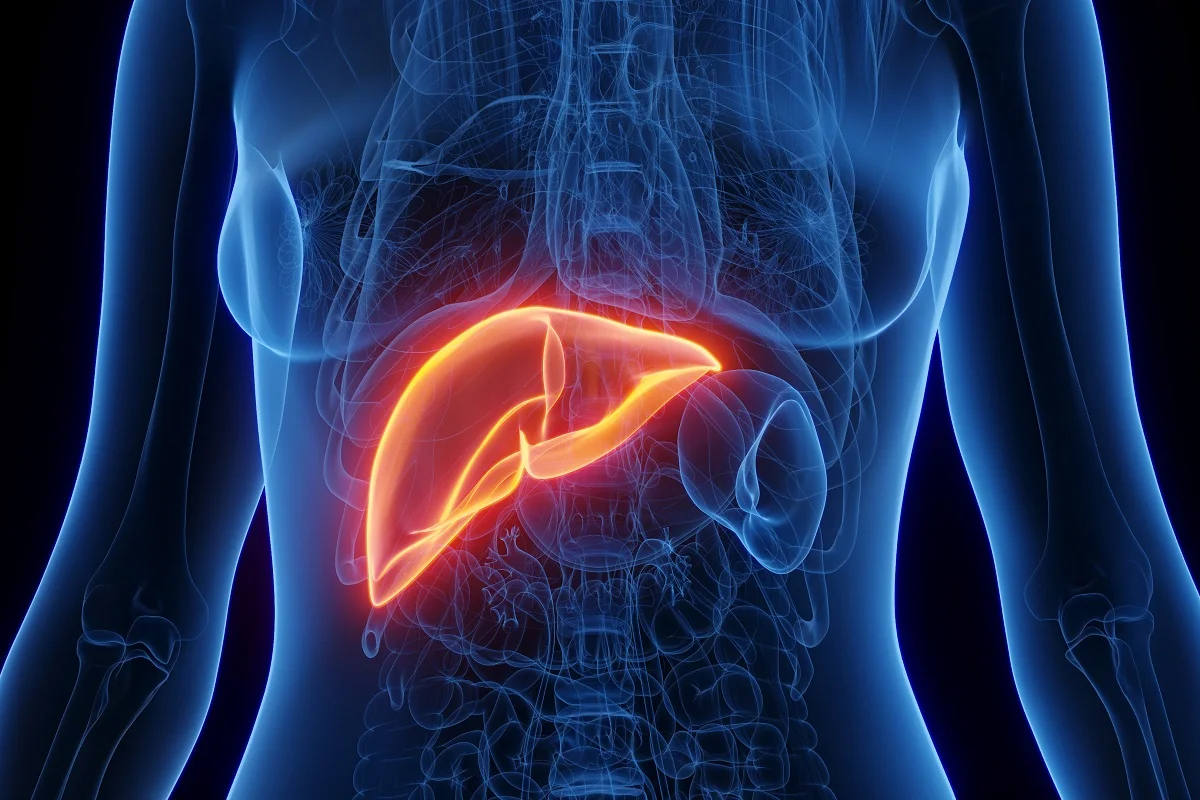 At the center of the study is the metabolic hormone FGF21, which is increased in low-protein diets and appeared to promote metabolic health in previous mouse model studies.He highlights that protein-restricted mice are also hyperphagic, meaning that they have increased food intake when their only option is the low-protein diet.
“We believe they are overeating to consume more protein,” he continues. “Conversely, if you give protein-restricted mice a choice, they will spontaneously prefer protein-containing foods over non-protein foods, and they also exhibit increased motivation for protein. So they will work harder or pay more to gain protein in a behavioral task.”
While low-protein diets increase food intake in animals, Morrison highlights that they do not necessarily lead to weight gain because energy expenditure also increases.
“We have not done any direct work on muscle health. However, our mouse data show that mice on a low-protein diet have reduced total body weight and lean mass, yet functionally, they are just as healthy — or even healthier. They perform better on exercise tasks and have increased grip strength. That data is from a prior publication.”
Morrison’s team has also identified a unique population of neurons that help regulate both metabolism and food choice when protein intake drops. “By understanding how these neurons coordinate these changes, we hope to gain new insight into how the brain shapes what we eat based on our nutritional status.”
Focusing on one liver hormone
In response to protein restriction, Morrison’s team found that animals increase their motivation to seek and consume protein while simultaneously altering how the body uses energy.
.webp) Morrison hopes to better understand whether high-protein diets offer any meaningful benefits for sedentary overweight individuals.He points to previous research from the Neurosignaling Laboratory which demonstrated that disrupting FGF21 signaling prevents many of these adaptations. For instance, low-protein diets normally increase energy expenditure and alter fat tissue, but these responses are largely eliminated when FGF21 or its key brain receptor, beta-Klotho, is removed.
Morrison hopes to better understand whether high-protein diets offer any meaningful benefits for sedentary overweight individuals.He points to previous research from the Neurosignaling Laboratory which demonstrated that disrupting FGF21 signaling prevents many of these adaptations. For instance, low-protein diets normally increase energy expenditure and alter fat tissue, but these responses are largely eliminated when FGF21 or its key brain receptor, beta-Klotho, is removed.
The new research project will focus on a specific population of neurons in the hindbrain that respond to FGF21. The team has discovered that removing these neurons also prevents the normal changes in energy expenditure and food intake that occur during protein restriction.
By studying how these neurons influence metabolism and feeding behavior, the researchers aim to better understand how the brain detects changes in nutritional status and coordinates the body’s response to a low-protein diet.
“I think there is a lot of room to test whether high protein in a typical, sedentary overweight individual offers any meaningful benefit, and conversely, whether reducing protein intake actually impacts functional performance and/or improves metabolic health,” says Morrison.
“Finally, I would also be interested in whether increases in FGF21 are associated with or predictive of whether a given individual is responsive to protein-restricted diets.”