



Scaling conservation of Himalayan wild-collected plants and fungi in Nepal


Key takeaways
- Sustainable harvesting of Himalayan wild plants and fungi is crucial for protecting biodiversity and local livelihoods amid high market demand and risks of illegal trade.
- Collaborative training programs and coordinated efforts with local and international stakeholders are key to embedding sustainable harvesting practices.
- The project partners are working on national-level stock assessments, traceability systems, and market linkages to ensure long-term sustainable harvests.
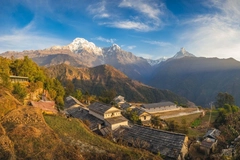
The Himalayan mountain range in Nepal is a prime location for wild plants and fungi with uses in herbal medicine, supplements, and cosmetics. Examples include kutki (Neopicrorhiza scrophulariiflora), used in Ayurvedic medicine for its antioxidant, anti-inflammatory, and detoxifying properties, and cordyceps (Ophiocordyceps sinensis), which is a valued ingredient in Traditional Chinese Medicine.
However, these species are threatened by unsustainable harvesting and substantial market demand from India and China, where insufficient border controls increase the risk of illegal trade.
Nepal-based ANSAB (Asia Network for Sustainable Agriculture and Bioresources) and the UK NGO TRAFFIC are supporting the sustainable trade of these species to help protect them and improve the livelihoods of local communities.
Nutrition Insight discusses measures to mitigate threats and ensure sustainable harvesting and trade with Puspa Ghimire, deputy executive director at ANSAB, and Bryony Morgan, program manager at TRAFFIC.
Ghimire says that a knowledge and skills gap among harvesters regarding sustainable harvesting practices is one of the key barriers to ethical trade, while the sizable market demand for these botanicals poses a major threat.
“India and China are substantial markets with huge demands for Nepali plants and fungi. To meet large, demanded volumes, there is always a chance of unsustainable harvesting.”
Morgan adds that the project trains stakeholders at all levels on how to embed sustainable harvesting and trade practices. These include leaders of Community Forest User Groups, local organizations that empower communities to manage forests, including the harvesting of herbs and botanicals.
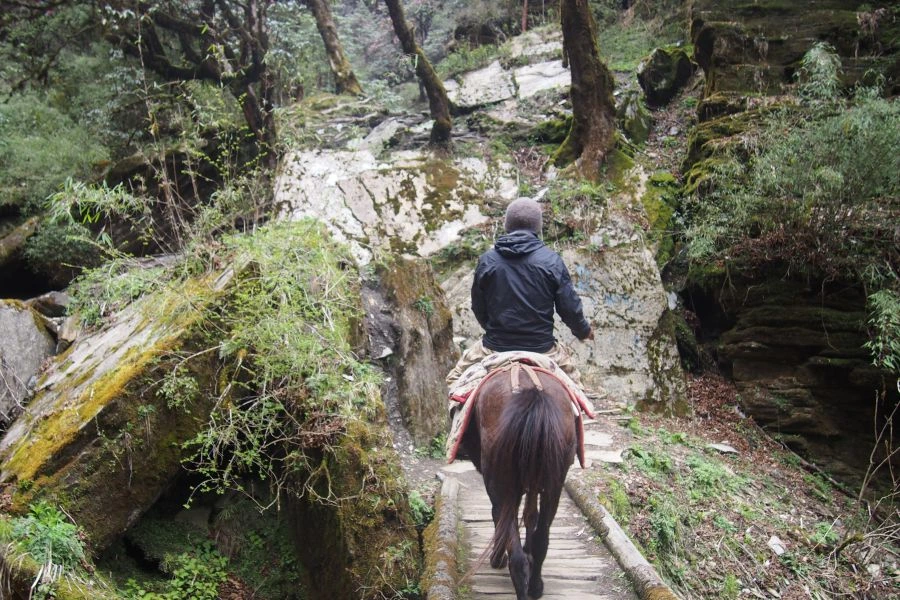 Community Forest User Groups are key actors in forest conservation and livelihood improvement, managing over 35% of Nepal’s national forest.“In the long term, our work on regional policy issues and collaboration with industry associations and key companies in important markets should leave a lasting legacy beyond the duration of the project.”
System-level actions
Ghimire notes the project partners work on a system level to support sustainable trade. Although ANSAB helps to develop forest management plans, he says there is no reliable data on wild plant stock at a national level. This makes it challenging to answer questions such as how much of a particular species is available, how much can be harvested for a specific year, and from which part of the country.
To fill this gap, the partners are conducting a national-level stock assessment with Nepal’s Forest Research and Training Centre of 11 economically important species that are crucial for maintaining biodiversity. Based on the analysis, the team will develop annual allowable harvest levels for species and support the development of management plans for forests and higher-level districts.
“This is really helpful for the long-term planning for the government and will also help planning for businesses — how many and what type of companies can operate to be sustainable,” explains Ghimire.
ANSAB is also building the capacities of suppliers working with medicinal plants to increase their income and generate employment and supporting wild collectors with tools, techniques, and tool kits on sustainable harvesting times and methods.
To ensure traceability, the project is working with FairWild certification and developing a harvesting registration system that includes information on harvesters, the quantity collected, location, date, and destination of sale.
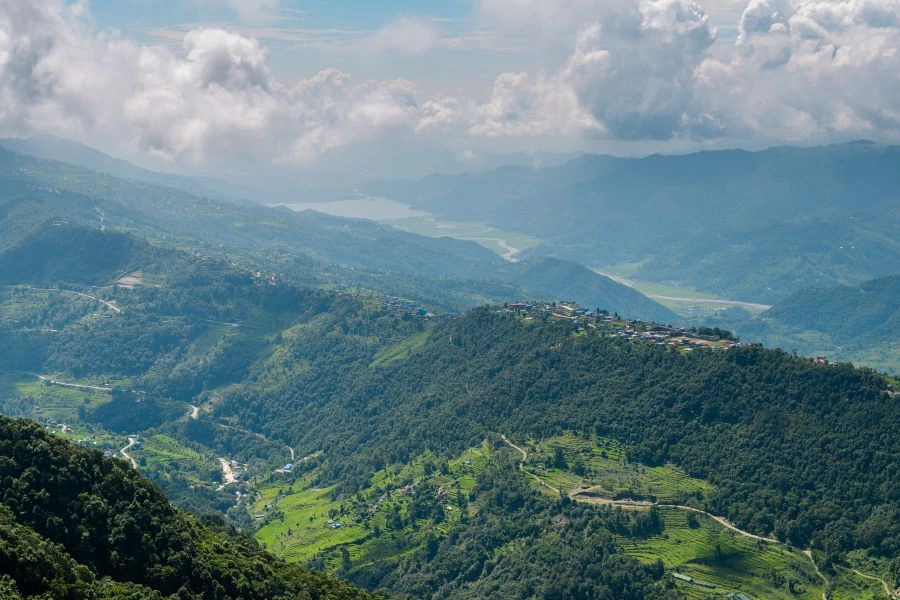 A lack of national stock levels makes it challenging to know how much of a particular species is available, can be harvested, and from where.“We are also addressing poverty, as wild harvesters include poorer people living close to the forest. We are providing extra benefits to the harvesters so they will have more interest in conserving the forest and managing it in a better way.”
International cooperation
The partners also work with stakeholders in India and China to ensure traceability and minimize illegal trade. Ghimire says there should be an “equal responsibility to conserve the forest” from authorities in importing countries to protect at-risk species.
As several are listed on the Convention on the International Trade in Endangered Species of Wild Fauna and Flora (CITES) for their protection, Ghimire says that only working in Nepal doesn’t solve the issue. Earlier this month, TRAFFIC called for improved awareness and enforcement of CITES in the plant medicine trade.
However, he notes that there is little information available about these markets, including the end products that contain these species and where they are sold. “We don’t know the Chinese market at all. Buyers are importing a Nepali product, but that can be exported from Nepal to Vietnam, and from Vietnam to China, or exported to another country, but through China.”
In addition, these long supply chains reduce the profit that gets back to harvesters, adds Ghimire. “We are looking at how to make this value chain more efficient by shortening it and how we can engage the harvesters. If harvesters can add value with primary processing or even secondary processing, that will add value, and they will get a higher benefit.”
“If we can access a better market with a premium price, that market will pay back some portion of the profit to the harvester,” he underscores. “We are working throughout the value chain, adding value at primary and secondary processing, trading, and quality improvement.”
Morgan notes that some project partners collaborate directly with industry associations in these markets, which are conducting research to understand how Nepalese herbs are being utilized.
The project collaborates with stakeholders in China and India to better understand the markets and how these use Nepali botanicals.The China Assiciation of Traditional Chinese Medicine is also convening meetings with key companies that use these botanicals and share a philosophy of sustainable use, making them potential partners.
Morgan says the aim is to work with a few companies to shorten their supply chains, with closer links to Nepali producers. “This would ensure benefits are flowing back to them.”
The case of cordyceps
Ghimire notes that for valuable species with strong market demand, such as cordyceps, sustainable harvesting practices are crucial. After trade in this species was legalized by the Nepalese government in 2004, prices increased significantly. “In 2004, the price was about US$500 per kg. By 2008, it had reached US$12,000.”
Last year, the US Botanical Adulterants Prevention Program noted that the high costs of wild cordyceps — of up to US$50,000 per kg — drive alternatives to the main species at a lower cost to dominate the supplement market. The program published guidance on adulteration and mislabeling of cordyceps.
According to Ghimire, developing a sustainable harvesting plan and collaborating with the government on international trade are crucial to conserving the species and controlling harvesting.
“Community forestry groups now have solid systems in place — they have an entry record, weigh harvests, and ensure payment of royalties to the community forest groups. Some groups have well-functioning systems, while others still need support. Our project supports the development of best practices, adapted across the Himalayan range.”
 The cordyceps fungus is naturally difficult to find and harvest, which helps to limit overharvesting and supports sustainability.Although he says that cordyceps is “always considered at risk,” the threat of overharvesting may not be as severe as it seems.
“The fungus is naturally difficult to find and harvest — collectors must spot the small fruiting bodies without digging extensively. This naturally limits overharvesting and supports sustainability. However, coordination among Community User Forest Groups, district forest offices, and national parks remains essential to guarantee long-term sustainability.”
Scaling impact
The project, “Scaling conservation of Himalayan plants and fungi through sustainable trade,” is funded by the UK government’s Darwin Initiative, which also funded two earlier, smaller versions of the project. Ghimire explains that the partners began working in two Himalayan districts to support the sustainable collection of CITES-listed Jatamansi, a root used in Ayurvedic medicine and cosmetics.
Since the work on Jatamansi, the project’s scope has expanded to include more species and sustainable trade at the national level. Ghimire details that ANSAB designed activities to ensure long-term sustainability over the six years of Darwin Initiative projects.
“We build local capacity by training local resource persons and organizations. These people can later train harvesters and entrepreneurs independently. Even after the project ends, they’ll remain accessible and continue supporting activities like forest inventories.”
“With proper scientific stock assessment and best practices from around the world, we can plan sustainably for at least 25 years,” he adds. “We also seek expert advice for this inventory protocol. This provides a solid baseline for planning annual harvest limits at the community forest, district, and national levels. If it’s followed, it is sustainable.”