



MIT electrodes extract magnesium from seawater at low cost and high concentration


Key takeaways
- MIT researchers developed bismuth electrodes that selectively extract magnesium from seawater using electricity.
- The method increased magnesium concentration eightfold and achieved a 20:1 magnesium-to-sodium ratio.
- Estimated magnesium chloride production costs were about US$107 per ton, excluding post-extraction steps such as drying.

An American Chemical Society (ACS) study has developed a new way of extracting magnesium from seawater using electricity, which is typically derived from energy-intensive methods of crushing and heating rocks.
The study points out that with the increasing popularity of magnesium supplements to help with insomnia, migraines, and constipation, the new method offers a more sustainable and less expensive way of sourcing the mineral than current methods.
The researchers specifically developed bismuth electrodes, which can selectively extract magnesium ions from seawater — an abundant resource.
This electrochemical approach has resulted in an eightfold increase in magnesium concentration from seawater, the researchers say. Also, the cost-benefit pointed to an approximate US$107 per ton for magnesium chloride production.

“We have traditionally thought of seawater as something to desalinate and protect, but it is an enormous reservoir of valuable resources,” points out first author David Kim, professor at the Department of Chemical Engineering, Massachusetts Institute of Technology (MIT), Cambridge, US.
Attempts at effective extraction
The ACS Energy Letters study explains that, until now, extracting magnesium from ocean water required chemical additives to help with precipitation and remove the metal, a method recognized in a National Historic Chemical Landmark.
However, ACS explains that scientists have been using expensive membranes to better convert the magnesium ions into forms that can be separated from sodium ions in seawater.
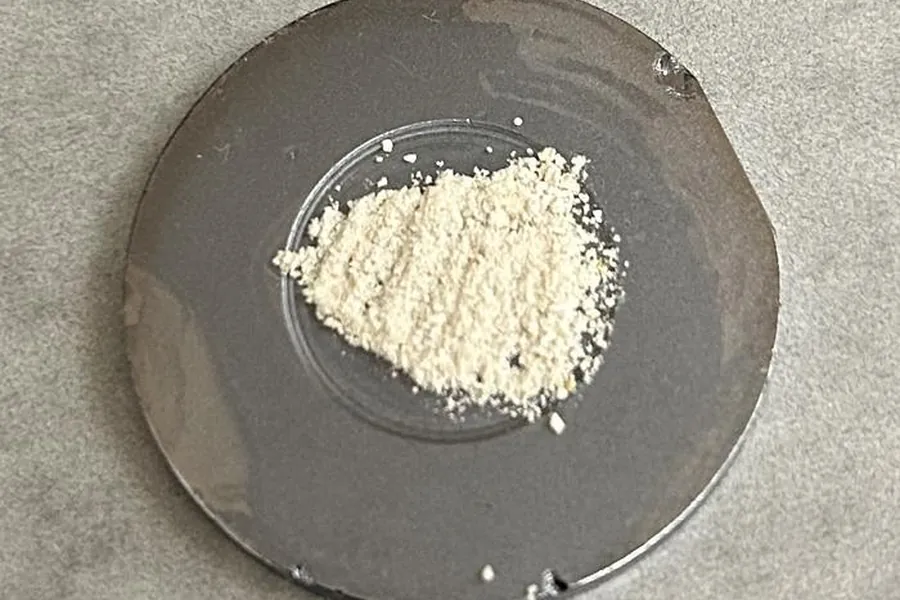 This magnesium chloride salt was extracted from seawater using bismuth electrodes and a reversible electric field (Image credit: ACS).Previously, bismuth electrodes were tested on whether they could extract magnesium without chemical additives or costly materials by the corresponding authors and professors Alan Hatton and Kripa Varanasi at MIT’s Department of Mechanical Engineering.
Better selection and price
In the new study, the researchers developed a layered electrochemical cell based on thin bismuth electrode sheets that covered two channels separated by a membrane. Through these, under an electric field, real seawater flowed in one channel and an electrolyte solution in the other to collect magnesium hydroxide.
ASC explains that the team was able to convert magnesium hydroxide into the consumable form, magnesium chloride, by switching the polarity of the electric field and switching the solutions in each channel.
Ultimately, the method increased the magnesium concentration from the seawater sample by a ratio of 20:1 magnesium to sodium ions. The researchers point out that this result shows that the process is more selective than previous electrochemical membrane systems.
Although producing magnesium chloride through this system is substantially lower than current market prices, the researchers note that this does not include other post-extraction steps, such as drying the salt.
Kim says that if this work similarly excites and inspires even one other person to think about how electrochemistry can transform available resources into sustainable markets, “then we have accomplished something meaningful.”
Varanasi concludes: “By turning seawater itself into a source of magnesium, this technology can enable domestic production and make our supply chains for critical materials more robust — moving us toward a blue economy where the ocean becomes a platform for producing the critical materials our industries need.”
Magnesium innovation and research
Innova Market Insights data indicates that magnesium is one of the top ingredients in supplements for insomnia or brain-mood health, accounting for 23% of global supplement launches with these claims between April 2025 and March 2026.
Jungbunzlauer, a supplier of this mineral, positions chelated minerals as bioavailable solutions for gummies, liquid shots, and GLP-1 companion formulations.
In innovations this year, AstaReal AB launched Magnesium Total by Astaxin, a new supplement formulated with magnesium bisglycinate, magnesium taurate, and magnesium malate for energy metabolism.