



Trial shows that medically tailored groceries lower blood sugar in type 2 diabetes


Key takeaways
- A randomized controlled trial found that medically tailored groceries combined with telehealth nutrition counseling reduced HbA1c over six months in adults with type 2 diabetes.
- The intervention showed improvements in diabetes control, as more participants reached HbA1c below 7% compared with usual diabetes care.
- Food and nutrition security also improved, which the authors say supports the growing use of Food is Medicine programs as a scalable part of US health care systems.

A study has found that medically tailored groceries for people with type 2 diabetes can significantly lower blood sugar. For the intervention, Foodsmart delivered telehealth nutrition counseling, weekly home-delivered and medically-tailored groceries, and matched recipes.
The randomized controlled trial showed that the adults receiving these services had improved blood sugar and were more likely to become food- and nutrition-secure, compared with those receiving standard care.
Jason Langheier, M.D., M.P.H., founder and chief science officer at Foodsmart, comments: “I started Foodsmart on a simple conviction: that food care is the most important, underutilized facet of American health care, particularly for low-income families.”
The study was conducted by US-based researchers from Kaiser Permanente in California, and nutrition scientists at the Food is Medicine Institute at Tufts University, Massachusetts, and from the George Institute for Global Health, headquartered in Sydney, Australia.
“Clinical outcomes such as HbA1c [average blood glucose] and food security improved significantly when families had access to nutrition counseling and recipe guidance tied to real food received at home,” adds Langheier. “At a time when chronic disease and weight loss medication spending continues to grow, this is a reminder that improving what people eat remains foundational to managing diabetes, and that it can be delivered affordably, at scale today.”
Improving blood sugar
Published in the American Heart Association’s (AHA) journal Circulation, the trial included 460 US adults who were insured with Medicaid and experiencing persistently elevated blood sugar levels. Approximately two-thirds of the participants were using insulin. The participants were randomly assigned to the Foodsmart intervention or to usual diabetes care.
The researchers found that among the Foodsmart intervention group, blood sugar, nutrition security, and food security improved.
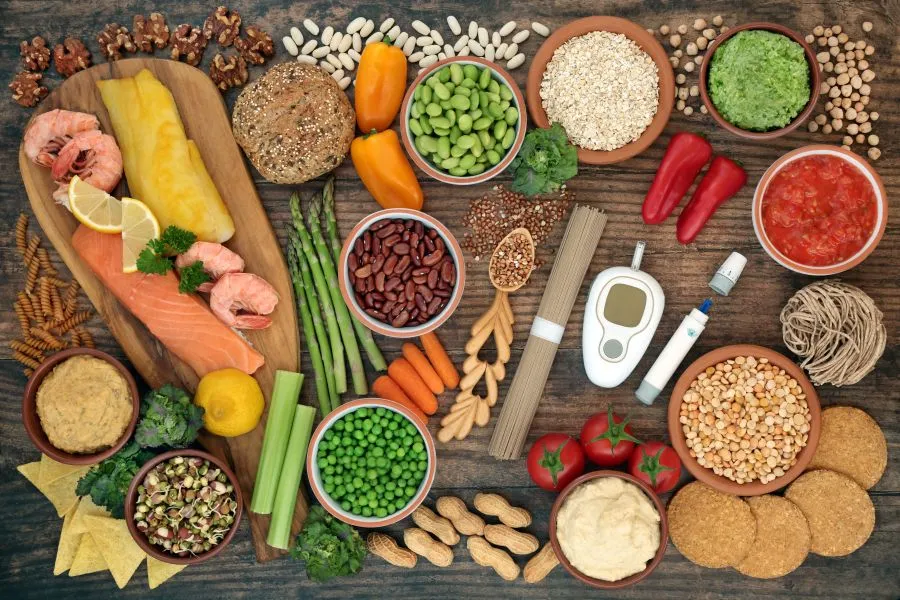 The participants were randomly assigned to the Foodsmart intervention or to usual diabetes care.The intervention group’s HbA1c decreased by 0.66 percentage points over the course of six months, whereas the usual diabetes treatment group saw a decrease of 0.44 percentage points during the same period.
Also after six months, more participants from the intervention group reached controlled diabetes, as 8.9% got their HbA1c to be below 7% — a standard target for controlled A1c. In contrast, 3.4% of the participants receiving usual care reached the same results.
This also led to fewer patients staying “severely uncontrolled,” as the number of people with HbA1c above 10% decreased from 28% to 19% of the population, while in the usual care group, a minor decrease was observed from 31% to 28% of the participants.
Notably, among the intervention group, nutrition security nearly doubled from 31% to 60%, and food security from 37% to 50%. The authors note that food and nutrition insecurity are common social stressors that are associated with worse health, nutrition, and utilization outcomes, while stressing that the trial did not directly measure these points.
Importance of diabetes management
The study authors underscore that type 2 diabetes rates globally are increasing, especially in low-income and marginalized populations. This is also where blood sugar is hardest to control and food insecurity is common.
They note that the new trial demonstrates how food interventions may change these outcomes and reach the Medicaid population, which “the health care system has struggled to reach.”
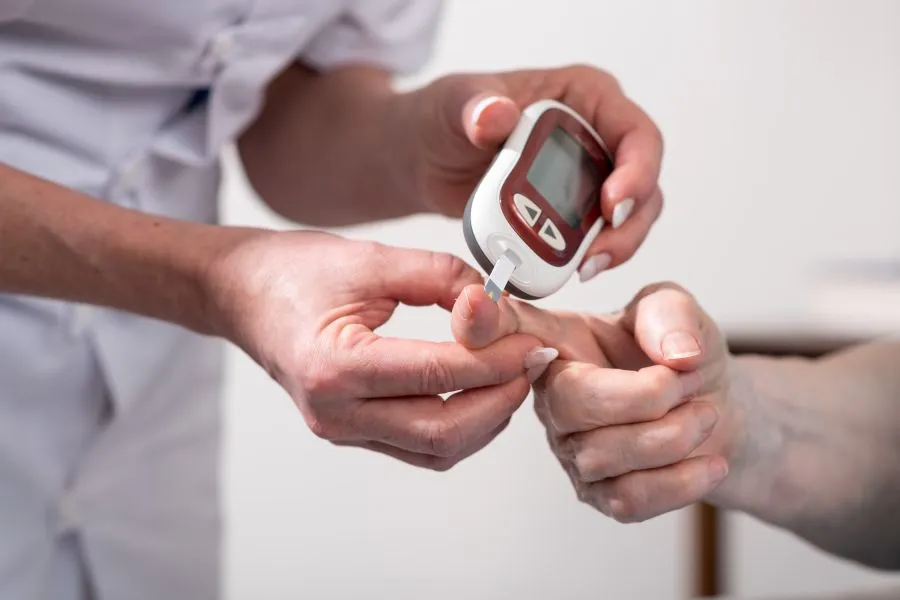 The study authors underscore that type 2 diabetes rates globally are increasing, especially in low-income and marginalized populations.Jason Stenta, chief commercial officer at Foodsmart, says health plans are increasing their investment in nutrition programs, and they expect these programs to improve clinical outcomes.
“This trial shows they do: improving blood sugar in a real Medicaid population, with results that meet actuarial standards that plans and states need to ensure the sustainability of these benefits.”
Earlier this year, the Food Is Medicine Coalition and Harvard Law School released a “first-of-its-kind” national framework designed to inform hospital professionals how to introduce medically tailored meals into the US health care system. The framework offers guidance on how to personalize meal plans to individuals living with severe, complex, or chronic conditions.
There is a growing scientific consensus that nutrition should be recognized as a foundational component of health care, alongside medications, procedures, and diagnostics. The Council for Responsible Nutrition recently stressed that nutrition plays a fundamental role in helping people stay healthier for longer, and the science continues to show how diet, lifestyle, and targeted nutrition interventions can support resilience and healthy aging.