


UK women want more healthcare advice on popular low- and no-alcohol drinks during pregnancy

Key takeaways
- Over 70% of UK pregnant women surveyed have consumed alcohol-free or low-alcohol drinks, especially those who drank more pre-pregnancy.
- Most women feel there is a lack of clear advice on these alternatives from healthcare professionals, leading to reliance on online sources.
- While drinks labeled 0% are widely accepted, there are significant concerns and calls for greater clarity on the safety and labeling of those in the 0.5–1.2% alcohol range.
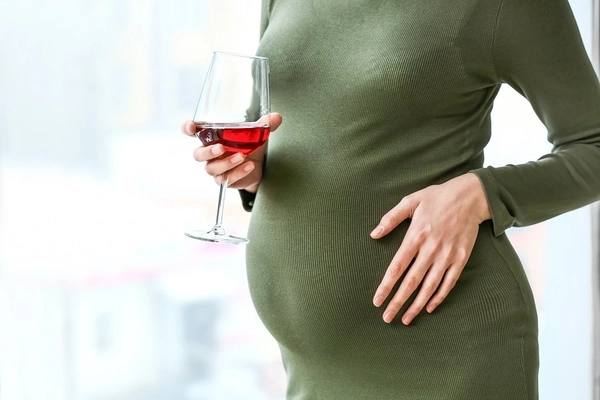
More than seven in 10 (71%) surveyed UK women have consumed alcohol-free or low-alcohol drinks while pregnant, forming a key demographic for safer alternatives to beers, wines, and spirits.
These alternatives are more popular among those who enjoyed higher levels of alcohol consumption pre-pregnancy, with 91% consuming them at some point while pregnant.
The peer-reviewed findings from the University of Plymouth, on behalf of Alcohol Change UK, highlight that many mothers feel there is a lack of guidance from healthcare professionals about these alternatives, underscoring the need for clearer information and support.

“The WHO advises there is no known safe level of alcohol consumption during pregnancy. However, with the growing popularity of these no- and low- drinks, there is a reliance on internet searching and social media for guidance on their use during pregnancy, both of which can contain misinformation or conflicting information,” says project lead Dr. Kate Maslin, senior research fellow in Maternal and Child Health at the University of Plymouth, UK.
Ailar Hashemzadeh, director of Research and Public Affairs at Alcohol Change UK, adds: “There is a lot of uncertainty and guesswork going on, particularly with drinks that aren’t completely alcohol-free.”
“This sector of the drinks market seems set to keep on growing, and expectant parents would really benefit from clear advice from trusted professionals on when and how to use these drinks.”
Four key recommendations
The first-of-its-kind peer-reviewed study explored how more than 2,000 currently or recently pregnant mothers think and feel about alcohol-free and low-alcohol beverages. The women indicated how frequently, if at all, they consumed these drinks during pregnancy and why.
Notably, many women feel that drinks clearly labelled 0% or alcohol-free are “very acceptable” during pregnancy (78%) and when breastfeeding (80%).
However, for low-alcohol drinks between 0.5–1.2% alcohol by volume content, the proportion of women considering them “very acceptable” drops to just 11% during pregnancy and 40% when breastfeeding.
Follow-up interviews reaffirmed these concerns and confusion over the alcohol content, safety, and labeling of low-alcohol options.
The report outlines four key recommendations. The first is that more clarity on the safety and suitability of alcohol-free and low-alcohol drinks during pregnancy is needed. More specifically, clarity is needed in the 0.05–1.2% alcohol category because women expressed greater concerns about these threshold levels.
Secondly, the labeling of low-alcohol drinks could be improved to make them more clearly distinguishable from alcohol-free drinks. This is followed by a recommendation that healthcare professionals should have clear guidelines on advising patients on safely consuming these drinks during pregnancy and breastfeeding.
Lastly, organizations that give pregnant and breastfeeding women advice about alcohol should also include specific advice about low-alcohol and alcohol-free drinks.
Safety, socializing, and stealth
The leading motivation that pregnant women choose alcohol alternatives is safety, with 72% prioritizing “a safer alternative to alcohol.” This was followed by 69% saying these drinks help them to “feel included in social events involving alcohol,” and 45% because they like the taste.
Women who indulged in higher levels of alcohol before pregnancy were also more likely to report that these drinks helped them to conceal a pregnancy in the early stages.
While the use of alcohol-free and low-alcohol options during pregnancy is common, 57% think that there is insufficient information available about these drinks in relation to pregnancy.
A little more than half of the women surveyed (55%) did not receive any information about these drinks from sources including a midwife, general practitioner, or pregnancy organization.
Internet searches were the leading source of information (22%), followed by advertising (14%) and social media (13%), while 8% received information from their midwife.
Governments act on safe alcohol limits
For the general public, the UK Government’s 10 Year Health Plan includes plans to consult on changing the upper strength threshold at which a drink may be described as alcohol-free to (from 0.05% currently to 0.5% alcohol).
Previous research has supported that any amount of alcohol consumption raises risks of non-communicable diseases like dementia, challenging the previously held beliefs on the benefits of light drinking.
In the US, the alcohol industry’s stocks fell at the start of this year following calls for mandatory cancer warning labels on all alcoholic food and beverages by Dr. Vivek Murthy, US Surgeon General. A report from his office argues that the 100,000 annual cancer cases caused by drinking warrant tobacco-style packaging requirements.