



Liquid I.V. study reveals practical barriers behind US hydration gap

Key takeaways
- While 96% of US consumers acknowledge the importance of staying hydrated, only 44% actually feel completely hydrated on a typical day, according to Liquid I.V. research.
- People in high-scoring cities integrate hydration into daily routines, whereas consumers in lower-scoring cities only hydrate reactively in response to heat or exertion.
- Practical barriers like busy schedules and lack of a water bottle are a more important cause of dehydration than a lack of knowledge.
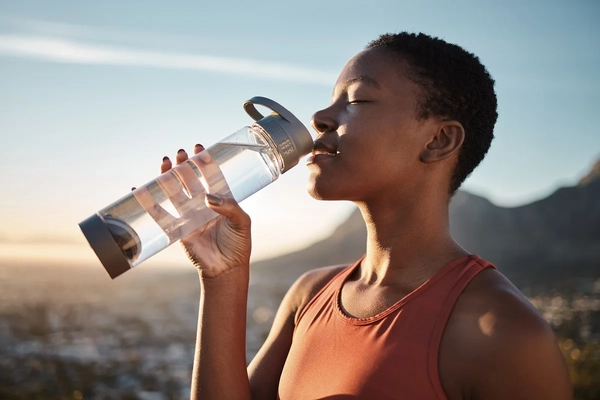
Research by hydration brand Liquid I.V. reveals that 96% of US consumers consider hydration to be important. However, there is a stark disconnect between awareness and reality, as only 44% of respondents actually feel completely hydrated on a typical day. The company says this “hydration gap” is not driven by a lack of knowledge, but by everyday lifestyle barriers.
These findings were released in the brand’s first edition of the Hydration Vitality Barometer Report, a large-scale study of hydration attitudes, behaviors, and daily experiences of more than 5,000 adults across the US.
Nutrition Insight speaks to Dana Ryan, Ph.D., head of Scientific Affairs at Liquid I.V. and chairman of the Liquid I.V. Scientific Advisory Board, about how geographic lifestyles, gender differences, and daily routines shape how people hydrate.

“The differences highlight the various contexts in which the hydration products are being used,” she tells us. “For example, findings in Boston, top on the list, show that hydration is baked into routines, woven into daily workdays, commuting, and home life. Eighty-percent of Bostonians report drinking over five glasses of water a day versus 66% nationally, and 91% feel hydrated on a typical day.”
In cities like Denver and Las Vegas, #49 and #50 on the list, she notes that people tend to lean on hydration more in response to environments such as heat or exertion, but don’t necessarily sustain their habits during ordinary days.
“In Las Vegas, 56% drink more than five glasses of water daily, and 58% feel hydrated on a typical day,” she adds. “Our findings concluded that higher-scoring cities were more inclined to include hydration in their daily routines, while lower-scoring cities look to hydration to specific, more extreme, situations.”
Majority experience “hydration regret”
In the report, Liquid I.V. introduces the Hydration Vitality Score, a standardized measure of hydration behaviors and self-reported feelings across 50 US cities. The survey highlighted patterns repeated across geographies, generations, and lifestyles.
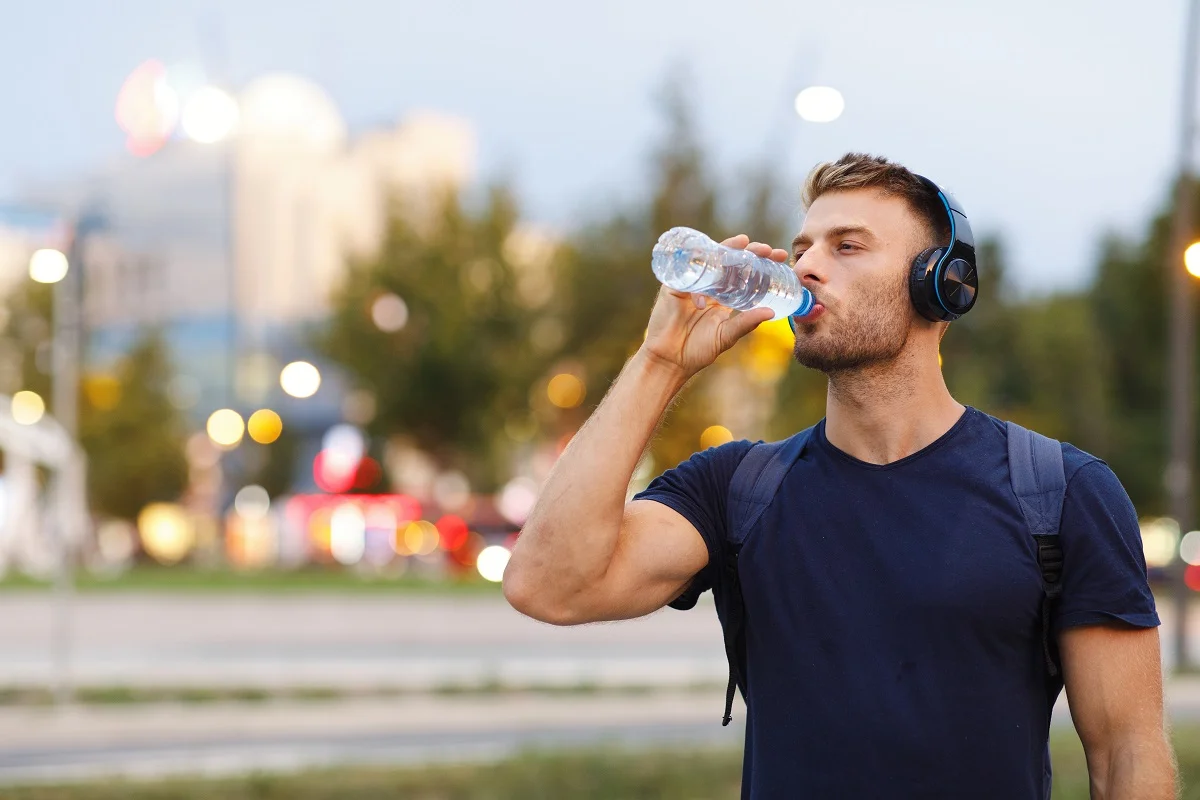 While men mainly hydrate to boost energy and performance, women face logistical barriers like forgetfulness and avoiding frequent bathroom breaks.The findings reveal 95% of US consumers consider hydration important, with the vast majority feeling confident estimating how much water they drink. However, Liquid I.V. highlights that only 44% reported feeling “mostly” or “completely hydrated” on a typical day, while 80% reported some level of “hydration regret” and 33% drink fewer than five glasses of water per day, while global recommendations range from six to 11.5 glasses.
“‘Hydration regret’ remains prevalent even in top cities because people’s ideal behavior and lived reality don’t match up,” says Ryan.
“What we found is that people from the US know hydration matters, but routines still break down due to variables such as stress, long workdays, travel, and social demands. Many only hydrate once potential dehydration symptoms appear, such as thirst, fatigue, and brain fog, meaning products are being used reactively, not proactively.”
“As a brand, we’re always looking to educate consumers on signs of dehydration and what proper hydration can do for your overall well-being.”
The report stresses that hydration gaps are not caused by lack of knowledge but rather driven by demands of everyday life. Beyond being busy, nearly 50% of the survey respondents do not regularly carry a water bottle, meaning hydration is often left to chance.
Even top-performing cities struggle
Most respondents say they feel more present and connected to others when hydrated, and hydration is increasingly reinforced by families, friends, and workplaces. However, across all cities, Liquid I.V. highlights one limiting pattern — hydration is widely valued, but difficult to maintain.
Boston, which ranked the top performing markets in terms of hydration nationally, showed stronger habits than average. However, more than one third of Boston residents still report frequently wishing they had hydrated better.
At the other end of the spectrum, cities like Raleigh, Denver, and Las Vegas struggle with consistency, despite high awareness.
“The report tells us that the main barriers to hydration are overwhelmingly practical. People forget, are too busy, limit intake because bathroom access is unpredictable, and nearly half don’t regularly carry a water bottle,” notes Ryan.
“Commuting and long stretches without reliable restroom access are especially disruptive and mental barriers in order to maintain hydration routines.”
Motivations to hydrate
The research also highlights what tends to drive people to drink more water. Energy is the leading reason people, predominantly men, try to stay hydrated. This is followed by supporting mental clarity and immune support. Despite leading the nation in hydration habits, over a third of Bostonians still wish they drank more, while cities like Raleigh, Denver, and Las Vegas consistently struggle despite high awareness.
Men tend to frame hydration through performance, rather than daily wellness. Thirty-eight percent cite energy as their primary motivation for hydrating (versus 26% of women), while 26% feel dehydrated after exercise (versus 17% of women).
Meanwhile, women are more likely to report barriers that are logistical, not motivational. Eighteen percent of women limit hydration because they don’t want to pee frequently (versus 11% of men), while 23% of women say they forget (versus 26% of men).
Hydration on tour
By 2030, Liquid I.V. plans to distribute more than 30 million hydration sticks through community partnerships, in-field sampling, and access initiatives designed to help close the hydration gap “in real and practical ways.”
This summer, Liquid I.V. has also kicked off “Tear. Pour. Hydrate More.” The 22-city tour of the most self-reported dehydrated US cities to meet people where they need hydration most.
The tour starts this month in New York City, which has a Hydration Vitality Score of 60. The campaign will feature the brand’s newest innovation, Hydration Multiplier Sugar-Free Ring Pop Cherry.
“As a brand, we’re taking these learnings into consideration to ensure our consumers, wherever they are, are aware of Liv Hydrascience, our science-backed formula designed with an optimized ratio of electrolytes, essential vitamins, and clinically tested nutrients,” Ryan shares.
“This is not a motivation problem, it is a systems problem. Hydration prioritization breaks down when it is not built into routines.”
Functional beverages advance
Trending functional beverages have launched regular water beyond hydration into sophisticated formats with added health benefits. This has given rise to the “water stacking” trend, where consumers blend multiple health powders into their water for various benefits.
Nutrition Insight recently spoke to the head of product development at ActivatedYou, specializing in all-in-one health drinks, who highlighted that the segment has room to innovate, as consumers continue to seek out convenience in their daily wellness rituals.
At the upcoming BevNET Live trade fair in New York City, US (June 10–11), wellness ingredients supplier Everwell Health will be showcasing its “Ingredients for Life” portfolio of functional beverage solutions for caffeine-free energy, concentration, protein, and weight loss.
In other research in the field, one clinical study conducted by the Hydration Science Lab at Arizona State University, US, revealed that Trace Minerals’ powdered electrolyte supplements ZeroLyte hydrate two times faster than water following exercise-induced dehydration, making it the first clinically studied sugar-free electrolyte shown to do so.