




Amai Protein’s sweet protein sweelin does not impact blood glucose, insulin or GLP-1

Key takeaways
- Amai Protein’s sweelin completed the world’s first human clinical trial on sweet proteins, showing no impact on blood glucose, insulin, or GLP-1.
- The protein-based sweetener enables sugar reduction, offering a metabolically neutral alternative to traditional sweeteners like dextrose and stevia.
- The study strengthens commercial credibility, supporting faster product trials, regulatory acceptance, and adoption in F&B markets globally.
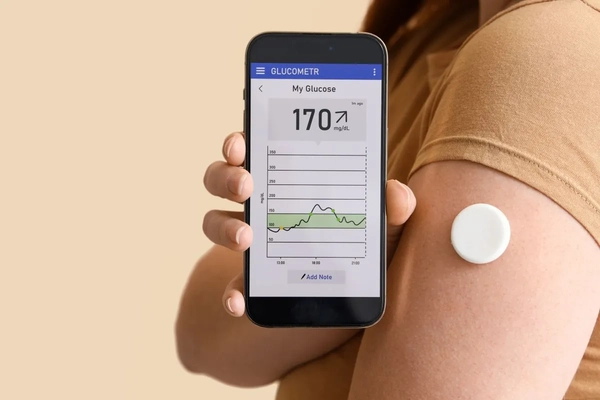
Amai Protein’s sweelin has been subject to the world’s first human clinical study on the metabolic effect from sweet proteins, with results confirming that it does not affect blood glucose, insulin, and GLP-1 levels when compared to dextrose and stevia.
The sweet protein enables sugar reduction and replaces commonly used sweeteners with a protein-based alternative.
With these results, the company says it will accelerate product trials and advance commercial discussions with F&B customers in the US and speed up market adoption.
“Although not required by regulatory authorities, Amai Proteins decided to conduct this study to enhance consumer and market confidence in the safety and health profile of sweelin,” says Dr. Amir Guttman, CEO of Amai Proteins. “Sweelin can help consumers globally who are trying to reduce added sugars in their diet but don’t want to compromise on taste or health.

Neutral sugar alternative
The trial has been published in Food Chemistry and marks the first-ever human clinical trial on sweet proteins, according to the company. It is an independent study, strengthening the commercial credibility of sweelin while differentiating it from competitors.
The randomized, double-blind crossover design tested sweelin’s effect through participants consuming beverages sweetened with sweelin, stevia, or glucose, all with matching sweetness levels amounting to 75 g of glucose in a standard Oral Glucose Test.
The participants’ insulin, GLP-1 response, and blood glucose were monitored for 120 minutes after consumption. The study found that sweelin did not affect any of the levels in healthy individuals, even when consumed in high doses.
It says the achievement of the study results builds on the company’s recent regulatory gains, including getting approval from the US FDA generally recognized as safe in February this year and approval by the Food Additive by the Singapore Food Agency in May.
“Combined, these milestones mark significant progress in validating the safety, clinical relevance, and regulatory readiness of the product, strengthening its commercial pathway in the US market and beyond,” says Amai Protein.
The company says the findings highlight sweelin as a scientifically validated, metabolically neutral sugar alternative.
“For consumers, it offers a safe option to reduce added sugars without impacting blood glucose or insulin levels, while for food and beverage manufacturers, sweelin provides an effective ingredient to create low-sugar or sugar-free products that maintain the sweetness consumers crave, supporting the growing demand for healthier choices without compromising taste.”