



German study links 10 healthy diets to slower biological aging


Key takeaways
- A study has found that adherence to healthy dietary patterns is linked to slower biological aging measured through DNA methylation markers.
- The researchers found no single “best” diet, with different healthy eating patterns showing similar links to the aging-related benefits.
- It found that diets affect biological aging processes linked to cell function, metabolism, and chronic disease risk, supporting nutrition’s role in healthy aging strategies.

A study by the German Center for Neurodegenerative Diseases (DZNE) has found that eating healthy food slows down biological aging.
The researchers analyzed 10 healthy diets, including the Mediterranean, Nordic, DASH (Dietary Approaches to Stop Hypertension), and plant-based diets, all considered healthy. All 10 diets were linked to slower biological aging, using age-related changes in DNA as markers.
“Our study suggests that healthy eating goes hand in hand with slower biological aging. The effects are not massive, but they are measurable and relevant for prevention. By slowing the aging process, the risk of age-related diseases such as dementia or cardiovascular disorders can be reduced. Thus, healthy eating contributes to healthy aging,” says professor Monique Breteler, director of Population Health Sciences at DZNE and head of the study.
“Importantly, there is probably no single ‘correct’ diet. According to our data, various dietary patterns are associated with slower aging, some more, some less. That is an encouraging finding, because it leaves room to tailor healthy eating to personal and cultural preferences, budget, and taste.”
Biological markers
Published in Nature Communications, the study used data from a DZNE Rhineland study, as well as data from another independent study for confirmation. The team evaluated dietary habits and blood samples from 7,500 men and women.
 The researchers determined chemical modifications in the DNA from the blood samples.The researchers determined chemical modifications in the DNA from the blood samples, which might influence gene activity and biological mechanisms, also known as DNA methylation patterns.
Throughout the course of life, these biological markers change systematically and are considered indicators of biological aging, explain the researchers.
“We applied three different approaches, so-called epigenetic clocks, to read biological aging from DNA methylation,” says lead author of the study Juliana Tavares, a doctoral researcher at DZNE.
“To this end, we leveraged state-of-the-art technology, which allowed us to cover about 850,000 sites in the DNA. This is roughly twice as many as in most previous studies.”
Healthy diets, individual differences
Every participant’s eating habits were matched with one of the 10 healthy diets, and the researchers quantified adherence to these diets based on a grading scoring system, looking at how closely participants followed the dietary patterns.
Tavares says that the same person could therefore rank high on one diet score and low on another. “In other words, people who ate healthily by one standard were often not the same people who ate healthily by another. According to our data, hardly anyone counts as a healthy eater by every standard at once,” she says.
However, the researchers did see a link between having a high-quality diet and slow biological aging across all 10 diets.
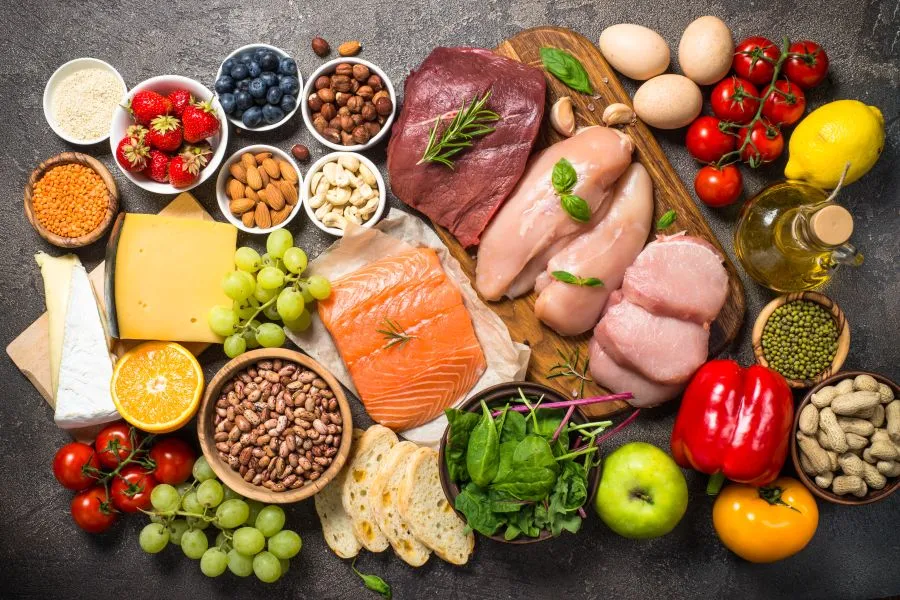 Tavares explains that over 70% of the affected biological pathways were shared across all diets.“While there are measurably differences between the diets, they are modest in absolute terms. It’s the big picture that matters,” says Tavares. “In summary, when it comes to slowing down the aging process, there isn’t just one healthy diet, but indeed a whole repertoire of possible diets with a positive effect.”
Another notable finding was that smokers were the participant group shown to have the strongest association between healthy diets and slower biological aging. Tavares says the biological explanation for this is still open, as smoking is highly harmful to health.
“One explanation for our findings might be that there is just more health benefit to gain for smokers by eating healthy because of the enormous detrimental effects of smoking,” she says.
Biological pathways
The scientists note that although each dietary pattern was associated with its own distinctive set of DNA methylation sites, there was an overlap among biological mechanisms.
Tavares explains that over 70% of the affected biological pathways were shared across all diets. These involve cell structure, cell signaling, and metabolism, which are all processes central to aging and chronic disease.
“Therefore, it is understandable that the dietary patterns we examined were all linked with a slowing of biological aging. A few pathways were diet-specific, and they matched each diet’s main objectives: heart-related pathways were unique to the DASH diet, and pathways related to cognition and memory were unique to the so-called MIND diet, which aims to support brain health,” she says.
She stresses that the main message is that a perfect diet is not necessary. “But moving forward, the diet-specific pathways point to future research on targeted dietary interventions. This could be helpful in designing targeted health recommendations.”