




Erinacine A leads lion’s mane category shift from nootropic to healthy brain aging


Key takeaways
- Real Mushrooms is positioning erinacine A as a long-term neuroadaptogen for brain resilience and healthy aging rather than a quick-fix nootropic for immediate focus.
- The compound is uniquely found in lion’s mane mycelium, research shows it can cross the blood-brain barrier, with strongest clinical evidence in aging populations.
- Current data supports its impact on nerve growth pathways, but larger human trials are still required to validate broader neuroprotective claims.

Real Mushrooms positions erinacine A as a long-term ingredient for healthy brain aging and cognitive resilience, rather than a traditional brain booster. This bioactive compound, sourced exclusively from lion’s mane mycelium, requires standardization in finished products to support its science-backed benefits in nervous system health.
Nutrition Insight meets with Skye Chilton, CEO and co-founder of the supplement brand, to explore what current research shows about erinacine A and aging adults’ cognition and biohackers. He also highlights how the compound differs from other mycelium constituents and how this translates in finished supplement applications.
“Current human research on erinacine A-enriched lion’s mane mycelium is still emerging, but a consistent pattern is beginning to develop. Studies have investigated aging adults, healthy older individuals, and age-related auditory function, with several reporting improvements in selected measures of cognitive performance and nervous system function.”
He adds that human trials have also demonstrated changes in biomarkers associated with healthy brain function, providing biological support for the clinical findings. “Importantly, the evidence is strongest in aging populations rather than young healthy adults.”
From an industry perspective, Chilton says erinacine A represents a broader shift toward identifying and standardizing the specific compounds responsible for the biological activity of mycelium ingredients.
“Rather than viewing lion’s mane as a single category, we’re increasingly able to differentiate products based on their chemistry, production methods, and clinical evidence. Erinacine A is one of the clearest examples of that evolution.”
Playing the long brain game
Lion’s mane mushroom and its mycelium have a long history of use for digestion and wellness, Chilton highlights. He says modern research is expanding that story to include cognitive function, mood, healthy aging, gut health, and immune support.
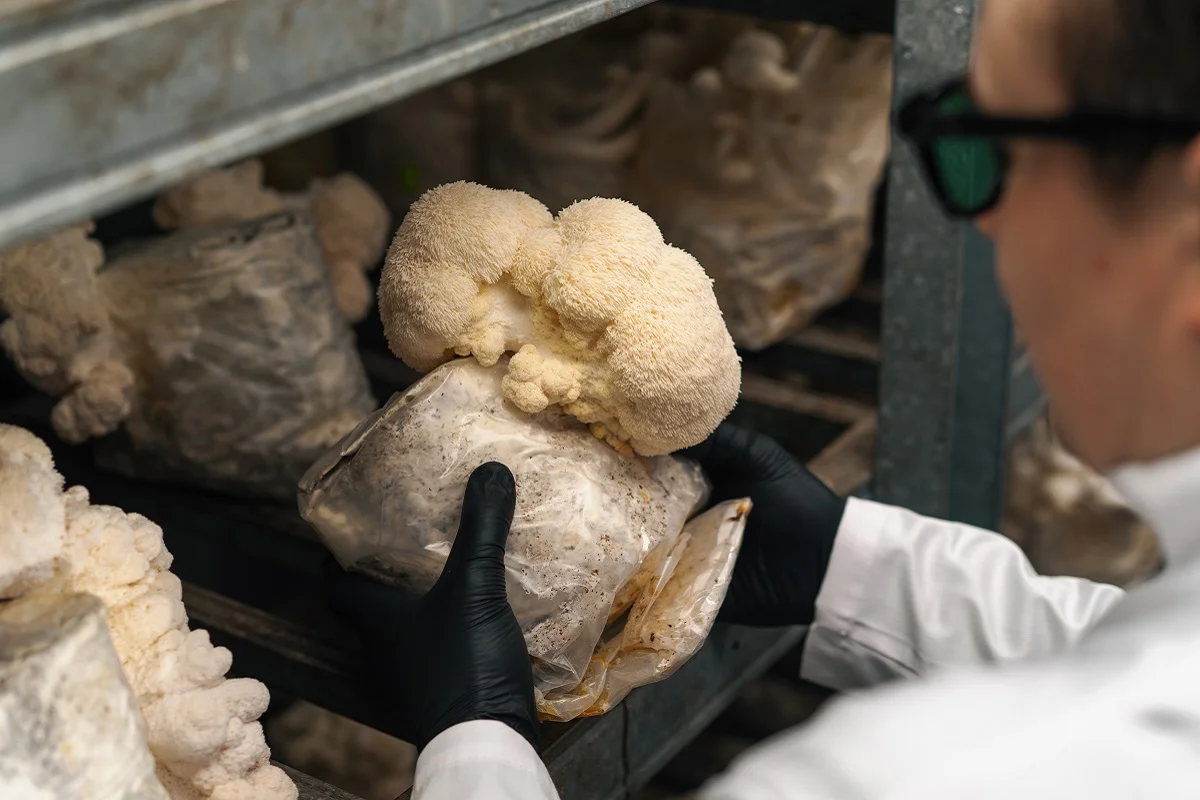 Chilton notes that whole mushroom consumption drives long-term health benefits because different parts of the organism deliver distinct chemistry rather than a single constituent.For consumers interested in long-term brain health, he says the opportunity may be less about acute cognitive enhancement and more about supporting cognitive resilience and nervous system function over time.
“This perspective may also prove relevant for otherwise healthy adults facing sustained stress, poor sleep, or high cognitive demand, although these applications require further research,” he notes.
“One reason I find erinacine A so interesting is that it doesn’t fit neatly into the conventional nootropic category. Most people associate nootropics with acute improvements in focus, attention, or mental performance.”
Chilton says that erinacine A appears to operate differently. “Based on the current evidence, I think it may be more useful to think of it as a neuroadaptogen: a compound that supports the nervous system’s capacity to adapt, maintain function, and remain resilient over time.”
He adds that this positioning aligns more closely with the timelines observed in human studies, where benefits emerge over weeks or months rather than hours.
Shift from nootropic to neuroadaptogen
Compared to other lion’s mane compounds like hericenones, erinacine A appears to act on neurotrophic pathways across the nervous system. Chilton says this is supported by research showing it can cross the blood-brain barrier, giving it direct relevance to central nervous system targets involved in cognition.
Among the studied mechanisms of erinacine A, Chilton says that the strongest evidence currently centers on these neurotrophic pathways, which involve nerve growth factor (NGF) and brain-derived neurotrophic factor (BDNF). These systems in the brain are important for maintaining healthy neuronal function, adaptability, and resilience throughout aging.
“Human studies have reported positive changes in BDNF and NGF alongside improvements in selected measures of cognitive or auditory function, making these pathways particularly interesting for cognitive health formulations,” Chilton highlights.
However, he cautions against making neuroprotection claims. He points to a range of cell and animal studies suggesting that erinacine A may influence biological pathways relevant to neuroprotection, but says these findings have yet to be adequately confirmed in humans.
“While they help explain why researchers are interested in the ingredient, they are not yet a foundation for product claims,” he adds.
Fruiting body versus mycelium
Chilton notes that many of the long-term health associations linked to mushroom fruiting bodies and mycelium are based on consuming the whole mushroom rather than any single constituent. Moreover, he underscores that different parts of the organism deliver different chemistry.
“Erinacine A is primarily found in lion’s mane mycelium, not fruiting bodies of the mushroom. The mushroom contains compounds such as beta-glucans, ergothioneine, hericenones, and compounds that may support the gut-brain axis.”
.webp) Modern research is expanding the traditional wellness benefits of lion’s mane mushroom and its mycelium to include cognitive function, mood, gut health, and immune support.He also urges formulators to consider which beneficial compound is most appropriate for an intended application.
Modern research is expanding the traditional wellness benefits of lion’s mane mushroom and its mycelium to include cognitive function, mood, gut health, and immune support.He also urges formulators to consider which beneficial compound is most appropriate for an intended application.
“Functionally, the relationship between erinacine A and hericenones is more complementary than competitive. Hericenones are found in the lion's mane mushroom, while erinacine A is found in the mycelium,” says Chilton. “Used thoughtfully, these ingredients allow brands to formulate for long-term foundational brain and wellness support, targeted cognitive resilience, or both.”
“Both have been investigated for their potential role in supporting healthy nervous system function, although they appear to operate through different mechanisms. Erinacine A currently has the stronger human clinical evidence base, but both contribute to the broader cognitive health profile of lion’s mane.”
He underscores that the term “mycelium” alone does not guarantee a meaningful or clinically relevant level of erinacine A. “If erinacine A is central to a product’s positioning, brands should look for ingredients that quantify and verify erinacine A content rather than assuming it is present based solely on the cultivation method or ingredient name.”
Biggest research gaps
Chilton says the biggest gap in erinacine A research is the need for larger and more robust human studies. “The existing studies are encouraging, but the field still needs larger, well-controlled trials that confirm the findings and help establish which populations are most likely to benefit.”
A second major gap is understanding exactly how erinacine A works in humans. “We have plausible pathways involving NGF, BDNF, neuroplasticity, and healthy nervous system function, but we still need a better understanding of what is actually changing in the brain and nervous system, and how those changes relate to the benefits observed in clinical studies,” says Chilton.
“We also need a clearer understanding of who is most likely to benefit. The strongest rationale currently sits with aging adults and people seeking targeted cognitive resilience support, but more research is needed before broadly positioning erinacine A as a cognitive performance ingredient for younger, healthy consumers.”
Finally, Chilton stresses a need to investigate erinacine A within the broader spectrum of lion’s mane compounds. “Erinacine A is an important discovery, but I think it would be a mistake to reduce lion’s mane solely to a single compound.”
“The most interesting opportunity may be understanding how standardized erinacine A-enriched mycelium complements the mushrooms’ broader matrix of beta-glucans, ergothioneine, hericenones, and gut-brain axis activity.”