




FDA panel recommends peptides its own scientists rejected, CSPI warns

Key takeaways
- CSPI has urged the FDA to reject its advisory committee’s vote recommending peptides for the 503A list, against the agency’s own scientists’ advice.
- FDA staff found none of the seven peptides — including BPC-157, TB-500, and Epitalon — met safety and characterization standards for listing.
- CSPI flags that newly appointed committee members, some reportedly with peptide-industry financial ties, cast the favorable votes citing “extra-regulatory” reasons.
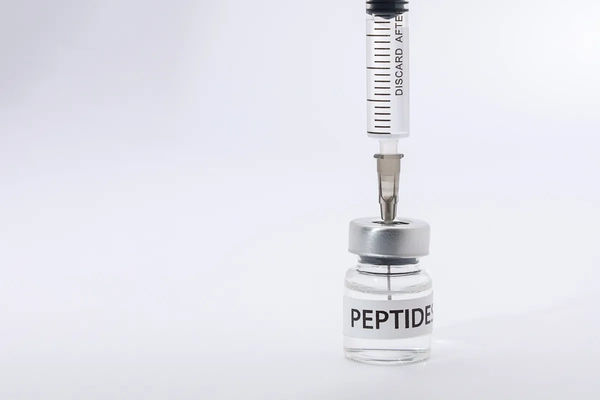
The Center for Science in the Public Interest (CSPI) is raising alarm bells over the Trump administration’s attempt to make peptides more widely available to consumers. The US FDA’s newly appointed advisors, who are alleged to have links to the peptide market, seek to legitimize some of these short-chain amino acids, going against the organization’s scientists’ recommendations.
These “poorly studied” gray market peptides are increasingly under scrutiny by regulatory authorities and health experts. With little human clinical data and rising social-media-driven demand, experts across three countries, including the US, called for tighter regulation and surveillance in July.
CSPI has sent a letter to the FDA acting commissioner Kyle Diamantas, flagging concerns about the agency’s Pharmacy Compounding Advisory Committee (PCAC) meetings, which occurred over two days in July.

The advocate notes that the committee voted to recommend six out of seven peptides to be included on the 503A Bulks List for bulk drug substances available for use in compounding.
This vote contradicts recommendations by the FDA’s own staff scientists in July 2026 against listing these peptides, due to “significant” safety issues, CSPI points out.
Increasingly, consumers are “stacking” these gray-market peptides with conventional supplements, blurring the line between pharma and nutrition. Supplement companies, such as Quicksilver Scientific, are also including peptides through liposomal delivery formats to overcome the bioavailability barriers even though the popular peptides they use, such as BPC-157 and GHK-Cu, have limited human evidence.
PCAC against FDA recommendations
CSPI stresses that the FDA is obliged to analyze substances based on strict criteria: their physical and chemical characterization, safety, effectiveness, and historical use.
 PCAC voted to recommend six out of seven peptides to be included on the 503A Bulks List for bulk drug substances available for use in compounding.Based on the July 2026 FDA briefing materials, none of the peptides met these standards, with FDA staff stating that all seven peptides should “not be included in the 503A Bulks List.”
These peptides include BPC-157, KPV, TB-500, MOTS-c, Emideltide, Epitalon, and Semax.
Financial ties to peptide market
CSPI points out that some new PCAC members were reportedly made members under pressure from Health and Human Services Secretary Robert F. Kennedy, Jr. due to his aim to end the FDA’s “war on peptides.”
Stat has reported that some of these physicians have financial ties to peptide businesses or clinics. Yet, CSPI adds that an FDA federal officer stated that there were no conflict-of-interest waivers issued at the meeting.
The non-profit claims that seven of the eight new PCAC members openly named extra-regulatory criteria, such as “medical freedom,” the “gray market,” and “bioterrorism,” to justify their votes.
The favorable votes for the peptides listed all came from the newly appointed members, adds CSPI.
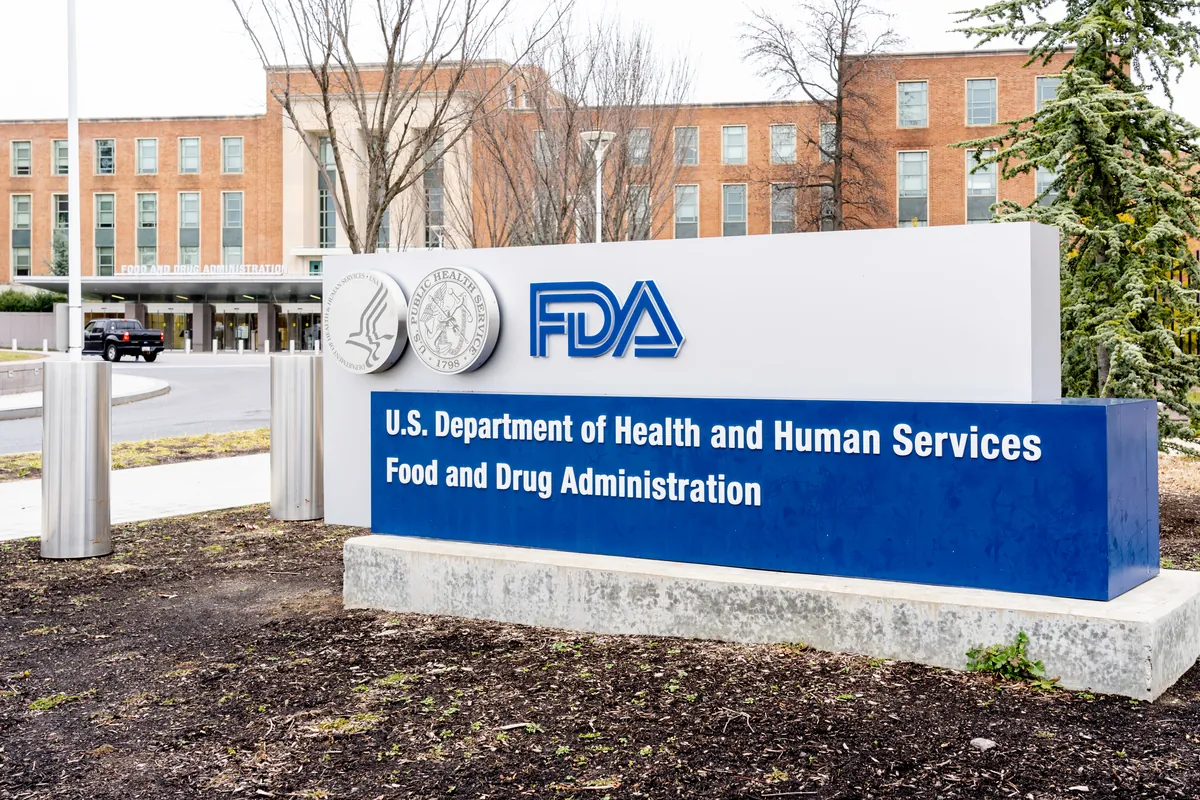 The FDA scientists have stated that all seven peptides should “not be included in the 503A Bulks List.”
“Moreover, if the recommendations stand, they would undercut FDA’s own drug approval authority and thwart the development of new peptide-based drugs that might actually be safe and effective, like the existing GLP-1 drugs, because legitimate pharmaceutical companies will know that any compounder can produce them.”
Call to refuse the PCAC’s advice
CSPI argues that since PCAC’s role is advisory, the FDA should reject its recommendations and align with its staff — effectively refusing to add the compounds to the 503A Bulks List.
The organization warns that adding the compounds to the list will undermine public trust and leave the agency highly vulnerable to legal challenges.
“Given these concerns, allowing the compounding of peptides based on PCAC’s vote would be antithetical to FDA’s mission of protecting the public health by ensuring the safety, efficacy, and security of human and veterinary drugs, biological products, and medical devices,” write Lurie and CSPI policy associate Isabella Xu.
“These irregularities provide ample justification for the agency to side with its own scientific staff over the conflict-ridden votes and frequent extra-regulatory justifications offered by certain members.”
CSPI is seeking a meeting with Diamantas to further discuss the issue.