




Paul Stamets’ Fungi Perfecti maps first full genome of endangered Agarikon

Key takeaways
- Mycologist Paul Stamets and researchers at Fungi Perfecti published the first complete high-quality genome assembly of the endangered Agarikon fungus.
- The researchers say the genomic map supports conservation efforts and future research into the fungus’ evolution and specialized metabolic pathways.
- Fungi Perfecti cultivates Agarikon mycelium, which it says enables ongoing scientific investigation and natural compound research without depleting wild populations in old-growth forests.
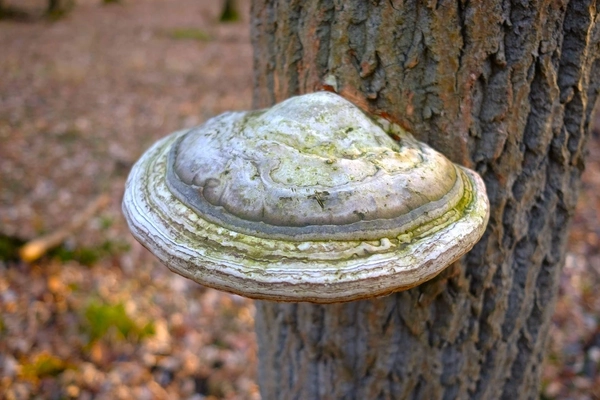
Mycologist Paul Stamets, founder and chief scientific officer of Fungi Perfecti, and scientists at the company have made headway in fungal research with the publication of the first complete genome assembly of the endangered Agarikon fungus (Laricifomes officinalis syn. Fomitopsis officinalis).
The rare and ancient wood-decay species has been integral to traditional wellness practices for more than a millennium across various cultures and is increasingly threatened by habitat loss and environmental change, according to the specialists.
This new genomic profile offers a critical scientific foundation for studying, identifying, and conserving the tree-dwelling fungus, they highlight. Previously, Agarikon lacked a comprehensive genomic reference to support deeper genetic inquiries into its evolutionary history, reproduction, and biosynthesis.

With this new genomic reference, the researchers have created a detailed genetic map that can form the basis of future studies on the fungus, its populations, and the biological pathways responsible for producing its diverse natural compounds.
“A complete genome changes what’s possible,” says Chase Beathard, Ph.D., director of Research & Development at Fungi Perfecti.
“It gives scientists a reliable, shared reference to identify Agarikon with greater confidence, compare populations over time, and investigate the genetic pathways that shape how this fungus lives and produces its natural compounds. We’re proud to contribute a foundational resource that can help accelerate careful, responsible research for years to come.”
Time-honored mushroom
Recognized as one of the longest-living mushrooms in the world — with some specimens living for upwards of a century — Agarikon fruiting bodies are typically found in old-growth forests.
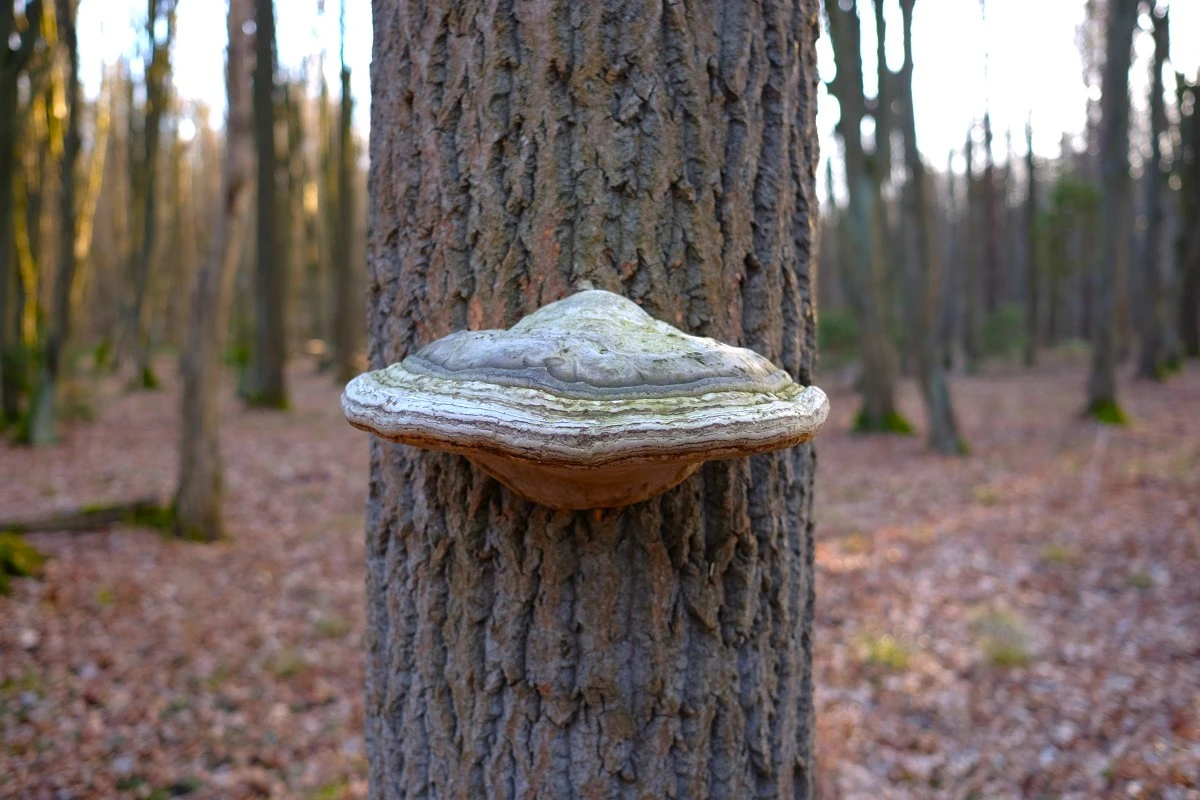 The Agarikon fungus is now officially classified as “Endangered” on the International Union for Conservation of Nature Red List.The fungus is now officially classified as “Endangered” on the International Union for Conservation of Nature Red List.
According to Fungi Perfecti, Agarikon can take many years to develop, which limits opportunities for responsible harvesting and makes large-scale studies difficult.
By cultivating mushroom mycelium, the researchers have produced a practical alternative for scientific investigation while reducing reliance on harvesting wild fruiting bodies.
Published in G3: Genes, Genomes, Genetics, the genomic study recorded and annotated Agarikon’s nuclear and mitochondrial genomes. Researchers estimate the assembled 28.76-megabase nuclear genome to be 99.4% complete and containing 8,717 predicted genes, including 8,604 protein-coding genes.
The team also identified 287 genes across 27 candidate biosynthetic gene clusters, which include genes associated with pathways involved in producing specialized metabolites.
This newly characterized genome provides a foundation for future studies of Agarikon’s genetic diversity, while providing new tools to help researchers better understand and preserve this increasingly rare fungus.
World’s largest Agarikon library
Fungi Perfecti says it oversees the world’s largest Agarikon culture library, which has been assembled over decades to help preserve the genetic diversity of the fungus. The company reports that its data bank now includes cultures representing more than 120 Agarikon specimens.
The company owns the functional mushroom supplement brand, Host Defense Mushrooms, and supports scientific inquiry and publication in collaboration with the broader research community.
The study comes on the heels of another Fungi Perfecti peer-reviewed article published in Frontiers in Immunology, which examined how Agarikon mycelium affects immune signaling in human immune cells under both basal (normal, healthy resting states) and laboratory stress-challenge model conditions (simulated immune stress conditions) in preclinical evaluations.
The findings showed that in healthy, resting cells, Agarikon prompted subtle shifts in gene activity linked to baseline immune defense and anti-inflammatory pathways. Under a simulated stress challenge, the cell’s immune response adapted dynamically — boosting specific defense signals and adjusting their key communication pathways depending on the environment.
“During our study evaluations, we observed changes in immune cell signaling under healthy, basal conditions that may be consistent with immune preparedness,” Beathard says. “In the laboratory stress-challenge model,the changes we observed displayed a context-dependent pattern consistent with balanced immune signaling.”
Overall, the authors conclude that the observed pattern suggests a coordinated response profile supporting further investigation. However, because these findings stem from a preclinical laboratory model, the team cautions they do not necessarily demonstrate effects in humans and warrant future research.