



Cheese against disease? Scientists map prebiotics and fibers for gut health

Key takeaways
- Researchers have identified probiotic bacteria in three artisan cheeses and found that the cheese matrix may help deliver beneficial microbes to the gut during digestion.
- The study found species that are linked to flavor development and potential health benefits, including anti-inflammatory effects and cholesterol regulation.
- The study also found prebiotic fiber in the rind of soft cheese.

A British study has found that three cheese types may be beneficial for human health. The scientists have mapped out the bacteria responsible for giving these cheeses their flavor and found that the cheese’s character may also benefit the people who eat it.
The study was carried out by a research team from the Food Microbial Sciences Unit at the University of Reading. They identified the microbial and biochemical profiles from the maturation process of three local artisan cheeses made in Oxfordshire.
“Good cheese is delicious, and the artisan varieties we studied are full of microbial life that could have benefits to your gut health,” says lead author Sabrina Longley, a Ph.D. researcher in the Department of Food and Nutritional Sciences.

“The aging process creates more complex aromas and textures through the work of an army of helpful bacteria. The matrix of fats and proteins in the cheese may also help protect the bacteria as they travel along the digestive tract, making cheese an excellent vehicle for delivery of probiotics to the gut.”
Good bacteria
The study, published in ACS Food Science & Technology, used samples taken at different stages of the maturation process and analyzed the chemical composition and bacterial populations in the cheese.
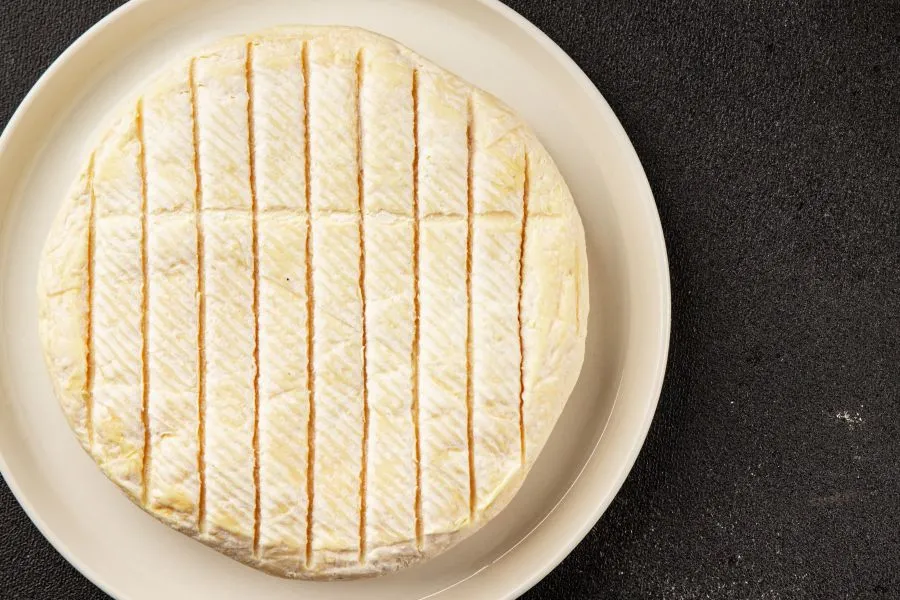 The research team studied Bix, Highmoor, and Witheridge cheeses.The cheeses studied were Bix — a soft bloomy-rind cheese, Highmoor — a semi-soft washed-rind cheese, and Witheridge — a semi-hard cheese aged in hay. In all three cheeses, they found bacteria with recognized probiotic potential that can add to beneficial bacterial populations.
Lactococcus lactis was found in all three cheeses. It dominated the bacterial population at both stages of maturation in the Bix cheese. In the Highmoor and Witheridge cheeses, it was highly present in the early stages, and then its presence decreased when other bacteria grew.
Propionibacterium freudenreichii was found only in the Highmoor and Witheridge cheeses, playing a key role in flavor development and propionic acid production. The compound is associated with anti-inflammatory properties, appetite regulation, and reduction of cholesterol synthesis.
Streptococcus thermophilus was also exclusive to the Highmoor and Witheridge cheeses and was one of the dominant bacteria up until maturity.
Surprising fiber
The study authors also note that cheese lovers who eat the rind — the hard outer layer on soft cheese — may get additional health benefits. The white mould Penicillium candidum is used to form the rind and produces chitin, a prebiotic dietary fiber. This feeds other beneficial gut bacteria and may stimulate changes in the gut microbiota.
Harder cheese also has an increased diversity of bacterial species as it matures, as observed in comparison to the same cheese earlier in the maturation process.
The study notes that the soft cheese contained higher fiber content than the hard cheese, which is surprising due to the hard cheese containing hay. The Bix cheese had 1.4 g of dietary fiber per 100 g compared to 0.5 g per 100 g in the Witheridge.
The researchers also found that for all three cheeses, lactose and sugar from the cow’s milk were close to completely absent when the cheeses had reached maturity, as the fermentation process broke down lactic acid bacteria.
The authors stress the need for further research to confirm how the bacteria behave in the gut, if they change after consumption, and their overall effects on human health.