




Biofortifying grains for nutritious diets and climate-smart food systems


Key takeaways
- IRRI scientists propose biofortifying staple cereals such as rice by replacing refined carbs with protein to combat protein malnutrition and improve nutritional quality.
- The approach could reduce GHG emissions by 32% and be extended to other crops, offering a climate-smart solution for global food systems.
- This biofortification strategy aims to help vulnerable populations in Asia, Africa, and beyond, enhancing protein intake without changing food habits.

Staple foods such as rice, wheat, and maize feed billions of people globally, yet these foods lack essential nutrients, fueling protein malnutrition and deficiencies in essential amino acids. A new proposal by scientists from the International Rice Research Institute (IRRI) suggests biofortifying cereals by replacing 5% of refined carbs with protein. This could improve dietary adequacy for vulnerable populations while reducing the environmental footprint.
The report argues that enhancing protein density and amino acid balance in staple cereals can also decrease greenhouse gas (GHG) emissions per unit of nutrition.
“Rice feeds more than half of the world’s population, yet it is naturally low in protein (6%) and lacks key essential amino acids that our bodies need for growth, immunity, and overall health,” says Dr. Nese Sreenivasalu, a principal scientist and head of Consumer-Driven Grain Quality and Nutrition Center at IRRI.
“Improving the nutritional quality of rice, therefore, represents one of the most powerful ways to combat hidden hunger, particularly in Asia and Africa, where rice is a staple food. By increasing the protein and essential amino acid content of rice and cereal grains, we can help millions of people to obtain better nutrition without changing their diets or food habits.”
Food fortification currently prevents seven billion nutrient gaps globally, with the potential to triple its impact at a low cost.
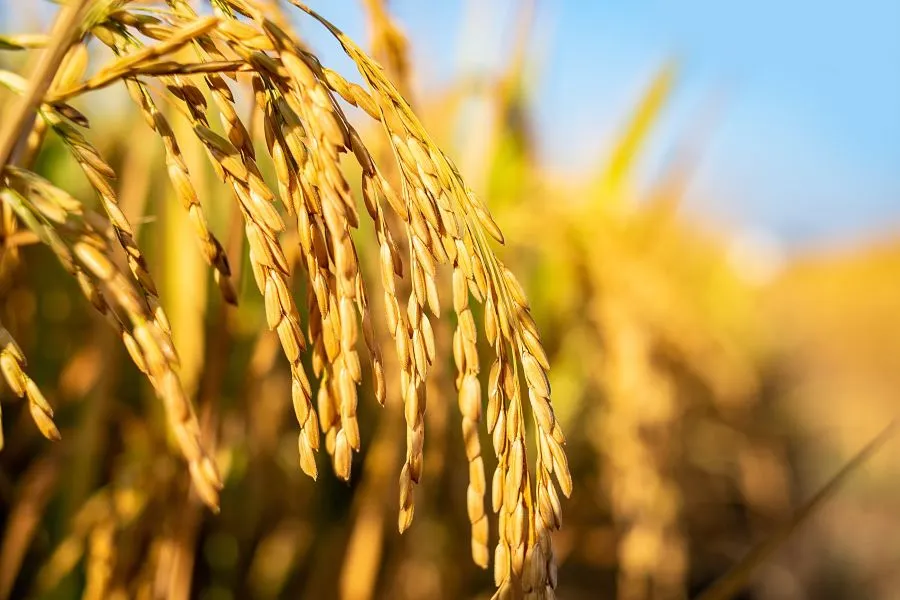 The IRRI researchers developed a high-protein rice.Turning to plant protein
The report has been published in Nature Plants and found that plant-based solutions combining cereals with protein-rich plants such as legumes could reduce global GHG emissions by 32%.
Similarly, another recent study found that vegan diets could decrease GHG emissions by 35%. Plant-based products require less energy and produce fewer GHGs compared to animal-based products such as meat and dairy.
The IRRI researchers developed a high-protein rice with increased levels of the amino acid lysine and with an ultra-low glycemic index to improve dietary protein and help manage blood sugar levels.
The study notes that high red meat consumption is associated with increased risk of heart disease and cancer. Therefore, increasing the protein content in cereals can strengthen the Eat-Lancet’s Planetary Health Diet — shifting away from red and processed meats to plant-based sources.
In addition to health benefits, these crops are high-yielding and can be harvested between 100–110 days, and the mechanisms can be extended to other crops.
“Because we now understand these genetic mechanisms, these traits can be efficiently incorporated into modern rice breeding programs and eventually extended to other staple crops. This breakthrough opens the door to a new generation of staple foods that are healthier, climate-smart, and capable of nourishing a growing global population,” says Sreenivasulu.
 The crops are high-yielding and can be harvested between 100 and 110 days.Geographical clusters
The report notes that the global distribution of protein malnutrition reveals a geographic clustering, with the highest occurrence in West Africa, Central Africa, and parts of South Asia, Southeast Asia, and the Caribbean.
These regions derive the majority of their dietary protein from cereals and consistently consist of 2,000–3,000 cases per 100,000 of chronic deficits in protein and dietary diversity.
In addition to closing nutrient gaps and feeding vulnerable populations, the fortification approach offers a more climate-friendly, environmentally sustainable approach.
“Countries [and regions] with high animal-source protein consumption, notably North America, Brazil, Europe, and parts of China, align with the highest agricultural emissions (above 100,000 Gg of CO2 equivalent emissions per year),” notes the study.
“Conversely, many regions experiencing severe protein malnutrition produce far fewer total agricultural emissions, highlighting a paradox: the world’s most nutritionally vulnerable populations contribute the least to climate change yet are most exposed to its impacts on crop productivity.”
The IRRI researchers suggest that the insights from the report position cereal protein biofortification as a scalable and equitable pathway toward healthier diets and more sustainable food systems under global climate and population pressures.