



Vitafoods Europe 2026 explores beauty supplements amid nutricosmetics boom

Key takeaways
- Vitafoods Europe 2026 will highlight nutricosmetics shifting from niche to mainstream, driven by holistic health trends and broader consumer adoption.
- Science-backed, personalized solutions are becoming essential as consumers demand clinical proof and tailored benefits in beauty-from-within products.
- Format innovations and sustainability are reshaping the category, with convenient delivery systems and credible eco-claims now key to market success.
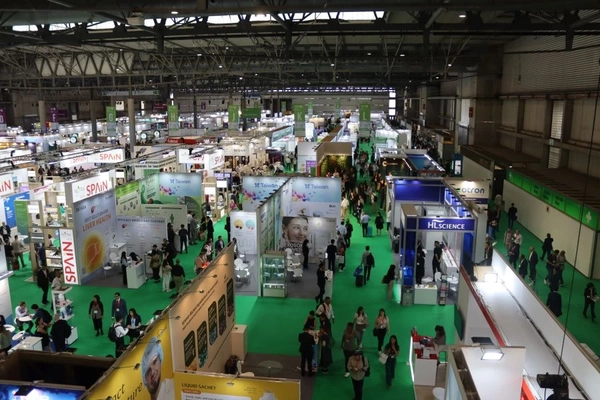
For the first time, this year’s Vitafoods Europe trade show will include a dedicated nutricosmetics spotlight, reflecting the rapidly accelerating beauty-from-within market. The event organizers note that innovation in this space is expanding beyond traditional supplements into functional foods, beverages, and longevity-focused nutrition as consumers link appearance with overall well-being.
Ahead of the event on May 5–7, Nutrition Insight speaks with Francesca Berry, head of Content Programming for Vitafoods Europe, about what visitors can expect in Barcelona, Spain.
She tells us that solutions at this year’s event will reflect how far nutricosmetics have traveled from a niche category, and how much room it still has to grow.

“This year’s event features our first-ever, full-day spotlight dedicated to the dynamic world of nutricosmetics, during which the best and brightest minds in the industry will explore the essential forces shaping the future of ingestible beauty,” Berry details.
“We have a packed schedule of expert sessions on offer, covering topics such as the convergence of beauty, nutrition, and pharma innovation, the evidence for emerging ingredients — including peptides, antioxidants, and marine compounds — and the preventative strategies resonating with younger consumers.”
She adds that these sessions will reflect trends influencing the nutricosmetics market today: the blurring of category boundaries, increasing demand for clinically-backed solutions, and a shift toward proactive, holistic approaches to beauty and well-being.
Berry also notes that the nutricosmetics consumer base has also become much broader, with expectations spanning life stages, wellness priorities, and, increasingly, gender. For example, younger consumers seek preventative solutions for skin resilience and vitality, and traditional gendered assumptions about who buys beauty supplements are being challenged.
“Out of the niche”
Berry expects one of the most significant shifts in beauty-from-within this year is for the sector to step out of its niche.
According to Berry, the nutricosmetics consumer base has become much broader, with expectations spanning life stages, wellness priorities, and gender. “Rather than being positioned as a specialist or premium add-on, nutricosmetics are increasingly being integrated into everyday routines, sitting alongside categories like gut health and immunity. The result will likely be a broader range of solutions on display than ever before — including accessible, targeted formats and lifestyle-led products designed for younger, prevention-focused consumers.”
“On the show floor at Vitafoods Europe 2026, we can expect to see more established ingestible beauty products designed to directly support hair, skin, and nail health, in addition to new supplement concepts that support holistic beauty-from-within — think gut balance, hormonal harmony, nutrient optimization, and inflammation management,” she predicts.
Moreover, Berry says that biomarker testing and metabolic monitoring advances are opening the door to connections between metabolic function, skin vitality, and healthy aging.
In terms of ingredients, she expects collagen and collagen peptides to continue to dominate, currently accounting for over a third of the market.
“But probiotics and postbiotics are now the fastest-growing categories, reflecting rising awareness of the gut-skin connection,” Berry adds. “Vitamins, hyaluronic acid, omega fatty acids, polyphenols, and minerals like zinc are also coming into focus as brands respond to demand for multi-benefit solutions.”
She says the pace of evolution is “striking” across this year’s exhibits, underscoring that the nutricosmetics trends on display at Vitafoods Europe 2026 are “fully-fledged opportunities ready to be seized.”
Science-based personalization
Berry points to a considerable shift in consumer expectations, urging brands to keep pace so they don’t fall behind.
“The modern beauty supplement consumer collects research from a wide range of on- and offline sources before deciding to buy, with social media and word of mouth as the primary routes to purchase,” she highlights.
“What unites these research channels is their inherently personalized nature — from algorithm-driven content tailored to individual preferences to peer recommendations rooted in personal experience,” says Berry. “As a result, consumers are increasingly conditioned to expect the same level of relevance from the products they choose.”
 Berry says that trade show visitors can expect expert-led deep dives into the expanding nutricosmetics market and a global outlook with actionable insights.She also notes changes in the level of scrutiny around claims, where consumers now expect each benefit to be backed by credible, clinically supported science, instead of vague claims or “too-good-to-be-true” promises that may have worked in the past.
“As consumers become more proactive in seeking out information, expectations naturally shift toward greater scientific rigor and demonstrable proof.”
The trade show’s Innovation Awards will also include Nutricosmetic Ingredient as a new category, along with Weight Management Ingredient, to reflect the nutrition industry’s most dynamic areas of growth. Finalists include Activ’Inside for Hair’Inside, to revitalize hair from within, and Mibelle AG Biochemistry’s DracoBelle Nu vegan collagen booster.
Format formulations
One of the “most exciting areas” to watch at this year’s Vitafoods Europe is format innovation, says Berry. While nutricosmetics deliver benefits to consumers, they need to stick to a routine.
“What’s interesting is that the convenience conversation has moved on from being simply about ease of use — it’s now understood as being fundamental to efficacy. A product that fits naturally into consumers’ daily routine is a product that gets taken consistently, and consistent consumption is what actually delivers visible results.”
She notes that capsules still dominate the market, as these formats are highly regarded for their bioavailability and effectiveness. “But we’re seeing powdered blends, gummies, functional foods, and ready-to-drink formats all making their mark in different ways.”
For example, at Vitafoods Europe 2026, Tosla and Geltor will unveil a vegan collagen beauty shot, while Lubrizol Nutraceuticals will launch a sugar-free Curcushine gummy at the show, supporting skin health from within. In addition, Pharmactive Biotech will feature its first nutricosmetic ingredient at the event, derived from a rocket leaf extract to support hair follicle function and growth.
“What has changed compared to previous editions is that these formats are no longer positioned as novelties or as more accessible alternatives to ‘serious’ supplements,” says Berry. “Instead, they’re being developed with adherence and real-life usability built into the innovation brief from the ground up.”
 Consumers collect research from on- and offline sources before deciding to buy, with social media and word of mouth as the primary routes to purchase.As a result of these format shifts, she notes the nutricosmetics category is broadening its reach.
“Whether it’s a student blending a collagen powder into a morning coffee or a parent grabbing a beauty shot on the commute, we’re seeing brands shift the focus from ‘ideal use’ to a more realistic view on how, when, and why people consume nutricosmetics.”
Focus on sustainability
Berry highlights sustainability as a mainstay trend in the nutricosmetics market, as this topic elicits strong feelings in European consumers.
“According to Innova Market Insights, 50% state that buying sustainable food and beverages makes them feel good about themselves and the environment — and there’s a clear expectation that brands should take on the same level of responsibility. Factors like sustainable packaging, biodiversity efforts, and reducing carbon footprints are increasingly seen as baseline requirements rather than bonus credentials.”
She also highlights regulatory changes in sustainability, as the EU is actively tightening sustainability rules, raising the bar for brands working with ingredients like krill and fish-derived omega-3s, botanicals, soy and pea proteins, and collagen.
“Much like product benefits, claims like ‘eco-friendly’ or ‘sustainable’ now need to be backed by robust data,” says Berry. “And certifications such as Marine Stewardship Council for fish oil, alongside credible environmental, social, and governance-aligned reporting, are becoming vital tools for staying both compliant and competitive.”
Moreover, she spots a growing interest in upcycled ingredients, which appeal to up to two-fifths of shoppers in Europe, according to Innova Market Insights data.
“This is a sign that consumers are thinking creatively about sustainability, not just ticking boxes. The brands that will stand out at this year’s show are those treating sustainability as a strategic priority rather than a communications exercise.”