



Ayana Bio and Brevel win US$1.25M to scale plant cell fermentation for bioactives

Key takeaways
- Ayana Bio and Brevel have partnered to commercially scale illuminated fermentation, a novel method of cultivating plant cells indoors to produce bioactive ingredients.
- The joint venture is backed by a US$7.5 million grant pool from the BIRD Foundation, driving a combined US$20 million total investment to reduce R&D risks.
- This technology aims to bypass traditional agricultural constraints and climate-related supply chain instabilities by creating standardized, contaminant-free plant ingredients.
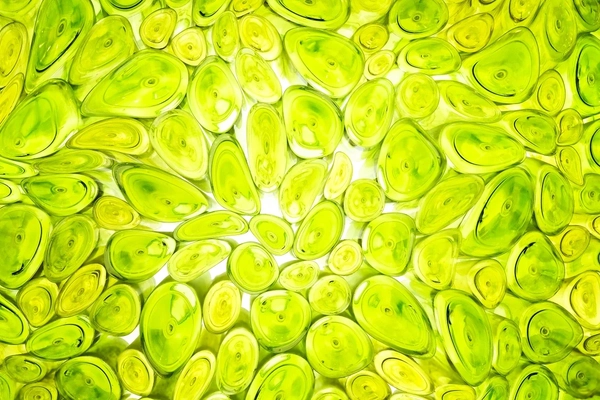
US-based biotech specialist Ayana Bio has entered a joint development partnership with Israeli food-tech company Brevel to advance and commercially scale illuminated fermentation — a novel method of cultivating plant cells to produce bioactive ingredients.
The technology addresses the instability of traditional botanical supply chains, which remains one of the food and nutrition industries’ most pressing challenges. Climate change, shifting agricultural conditions, and contamination risks frequently impact the quality and availability of plant-derived ingredients.
The partnership is part of a newly approved cohort of seven binational projects backed by a US$7.5 million grant pool from the Israel-US Binational Industrial Research and Development (BIRD) Foundation. In addition to BIRD funding, the projects will leverage private-sector investment, resulting in a combined investment of US$20 million across all seven projects.

“Our mission at Ayana Bio is to democratize nature’s bioactives by decoupling ingredient production from traditional agricultural constraints,” says Frank Jaksch, CEO of Ayana Bio.
“By integrating Brevel’s unique illuminated fermentation platform, we can further scale our plant cell lines in a controlled, highly efficient environment. This BIRD Foundation grant validates the power of our combined technologies to create standardized, contaminant-free plant ingredients that meet the surging global demand for clinical-grade nutrition and wellness.”
Cell-derived ingredients for sustainability
The partners are using the funding to reduce R&D risks. At its facility in Boston, Massachusetts, Ayana Bio uses plant cell cultivation to grow plant materials without growing them in the ground. According to the companies, this solves many of the sustainability, purity, safety, and ethical concerns in current botanical supply chains.
Bringing its bioactives to the market at scale, Ayana Bio collaborates with global industry leaders in food, beverage, dietary supplement, sports nutrition, animal care, and skin care. The company is backed by investors including Viking Global and Cascade.
The company says that combining its synthetic biology platforms with Brevel’s unique, industrial-scale illuminated fermentation platform will lead to a predictable, scalable, and closed indoor manufacturing pipeline for high-value bioactives.
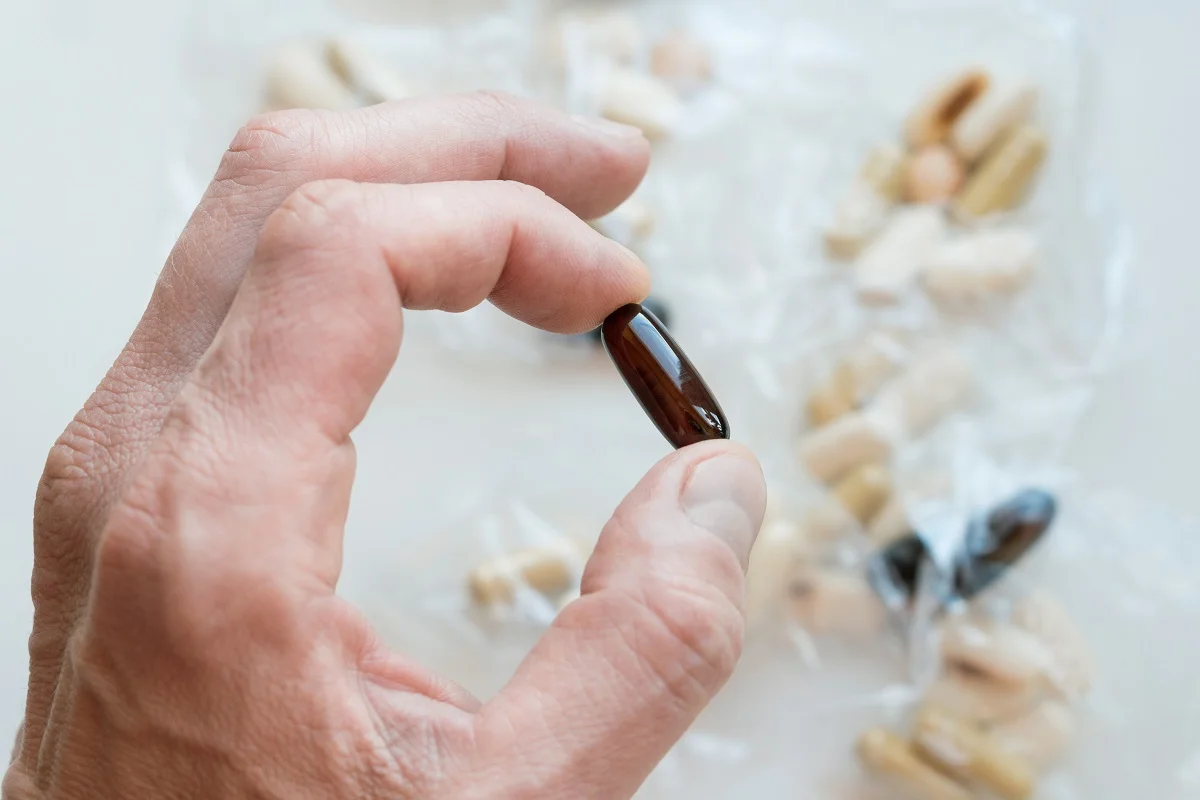 The partners cultivate sustainable, pure plant cells to close botanical supply chain gaps, without the need for traditional farming.Brevel is the first company to develop and scale illuminated fermentation from the lab to 5,000 L commercial volume. Its proprietary technology was first applied to microalgae and is marketed toward the nutraceutical industry.
Addressing gaps in global chlorella supply, Brevel recently launched its Purallis brand of cultivated chlorella to the nutraceuticals sector — expanding beyond its flagship activities in the alternative dairy and meat categories.
In March, the company raised more than US$5 million in a seed extension up-round, bringing its total investment to US$25 million.
“We are excited to collaborate with Ayana Bio to expand the boundaries of what plant cell cultivation and bioactive ingredient production can achieve,” says Yonatan Golan, CEO and co-founder of Brevel.
“Brevel’s illuminated fermentation infrastructure was built to unlock the full potential of photosynthetic organisms at a commercially viable scale. Applying this hardware and process engineering to plant cell cultivation allows us to accelerate the transition to a more resilient, sustainable food system.”
BIRD Foundation funding
For nearly five decades, the BIRD Foundation has facilitated collaboration between US and Israeli companies to advance critical technologies.
BIRD states that the joint venture between Boston-based Ayana Bio and Israel-based Brevel demonstrates their “deep technological synergies,” providing a sustainable solution for global consumer packaged goods, dietary supplements, and functional food sectors.
“This project exemplifies the type of innovation and collaboration that the BIRD Foundation was established to support,” says Jaron Lotan, executive director of the BIRD Foundation.
“By combining Ayana Bio’s expertise in plant cell cultivation with Brevel’s breakthrough illuminated fermentation technology, the companies are addressing important global challenges in sustainable ingredient production.”