



Study shows eating mango and avocado daily shows heart-healthy benefits

Key takeaways
- Prediabetic adults eating one cup of mango and avocado daily for eight weeks saw significant improvements in blood vessel function and diastolic blood pressure.
- These fruits deliver fiber, vitamin C, heart-healthy monounsaturated fats, and potassium without impacting weight or calories.
- A food-first approach shows promise for reducing prediabetes-related cardiovascular risk, including improvements in kidney markers.
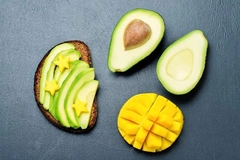 (Image credit: National Mango Board and Hass Avocado Board).
A clinical study has found that eating a cup of mango and an avocado daily can lead to cardiovascular health benefits. It underscores that these foods are especially important for adults with prediabetes and points to food-first strategies for reducing disease risk.
In the US, one in three (98 million) people are living with prediabetes, according to the US Centers for Disease Control and Prevention data. This places them at a higher risk of diseases affecting the sight, kidneys, and heart.
The test was conducted at the Illinois Institute of Technology in the US, where prediabetic participants were placed on an avocado-mango diet for eight weeks. They experienced significant improvements in blood vessel function and diastolic blood pressure compared to the placebo group eating similar calorie-based foods.

Blood vessel and pressure improvements
The Journal of the American Heart Association study found that participants on the avocado-mango diet experienced a significant increase in flow-mediated dilation, a key measure of blood vessel health. Among participants on this diet, dilation rose 6.7%, compared with a decline of 4.6% in the control group.
The team also found diastolic blood pressure improvements, especially in men. Those on the avocado-mango diet had a 1.9 point (mmHg) reduction in central blood pressure, while men in the control group had a 5-point increase.
“This research reinforces the power of food-first strategies to help reduce cardiovascular disease risk, particularly in vulnerable populations like those with prediabetes,” says principal investigator Britt Burton-Freeman, Ph.D., professor at Illinois Tech.
“It’s an encouraging message: small, nutrient-dense additions — such as incorporating avocado and mango into meals and snacks — may support heart health without the need for strict rules or major dietary overhauls.”
Additional health benefits
The participants consumed the Hass avocado variety and fresh mango daily. This group’s diet increased in fiber, vitamin C, and heart-healthy monounsaturated fat. This did not affect participants’ body weight and overall calorie intake.
Mango has 2 g of fiber per serving (7% daily value) and is a potent source of vitamin C (50% daily value), which may support blood sugar control, weight management, and overall cardiovascular wellness, the researchers detail.
Meanwhile, avocado provides 3 g of fiber per serving (50 g and 11% daily value), which is important for cholesterol, blood sugar, and body weight management. The fruit also contains 6 g of heart-healthy fats and 250 mg of potassium (6% daily value) needed for maintaining healthy blood pressure.
Additionally, participants showed improvements in select kidney function markers, such as estimated glomerular filtration rate. Eighty-two generally healthy adults with prediabetes and overweight or obesity with a body mass index of 25–35 kg/m² were selected. They were not smokers or on special diets and were free from major chronic conditions.
There was no significant difference in cholesterol, blood sugar, or inflammation between participant groups.
This study backs previous findings where prediabetic adults eating one mango daily showed better glucose control, improved insulin sensitivity, and reduced body fat than those eating a low-sugar granola bar.
Two cups of mango daily may help obese adults with chronic low-grade inflammation, another study found.