



AI “tissue clocks” find organs age at different rates, opening the door to blood tests


Key takeaways
- AI-based tissue clocks found that human organs age at different rates, rather than following one shared biological timeline.
- The models analyzed more than 25,000 tissue samples across 40 tissue types and predicted biological age with a mean error of 4.9 years.
- Blood-based predictors detected organ-specific aging patterns linked to diseases including Alzheimer’s disease, Crohn’s disease, diabetes, and stroke.

Prolonging health span has been one of the top trends in the nutraceuticals industry this year, and insights into biological aging continue to deepen what longevity means in the nutrition space. In medical research, a new study has found that organs within the body age at different speeds. It suggests that tissue architectures can help inform the monitoring of diseases through noninvasive blood tests that reveal organ ages.
Nutrition Insight speaks with André Rendeiro, principal investigator at CeMM Research Center for Molecular Medicine of the Austrian Academy of Sciences, to learn more about the findings and what they could potentially mean for nutrition.
Informing future innovations
The experimental study in Nature Medicine found that the AI models had a mean prediction error of only 4.9 years. The researchers note that the AI outperforms traditional DNA-based aging estimates while also linking biological age with aging hallmarks.

Rendeiro cautions that his team’s study cannot inform longevity or anti-aging claims, as the researchers did not evaluate nutrition products or interventions.
“What we contribute is a quantitative framework to measure organ-specific biological aging. In principle, this could be useful as a readout for future innovations, but our work validates no product claims.”
Deepening health span research
Consumers are increasingly seeking solutions that prioritize health span solutions in addition to lifespan, which is especially relevant for joint health, emotional wellness, cognition, mental health, and gut health.
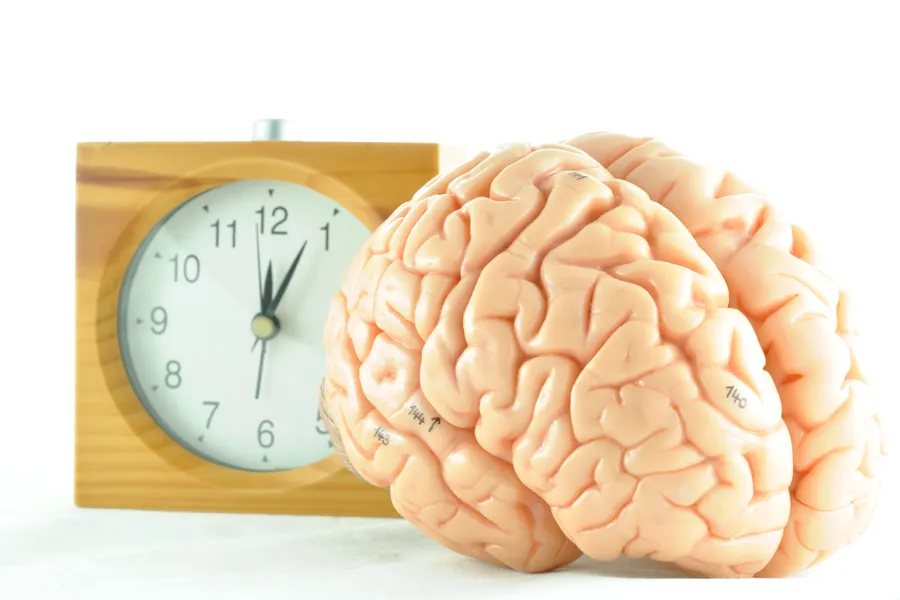 Rendeiro says that organ-specific biological aging could serve as a readout for future innovations.The study found that some tissues, such as the lung, kidney, pancreas, and adrenal gland, showed signs of accelerated aging between the ages of 20 and 40. Some organs age more complexly, with peaks of acceleration in later life. For instance, the uterus changes more rapidly during menopause, the researchers note.
Commenting on this trajectory, Rendeiro states: “Aging is not uniform: organs age at different rates, and individuals show different patterns, some systemic and some confined to single organs.”
“This supports a shift from one global age measure to organ-specific measures of physiological fitness, which is closer to health span than lifespan. Today, these are research tools, not consumer tests.”
Using image and tissue data from 983 individuals in the Genotype-Tissue Expression Project (GTEx), the researchers found that the architecture of the organs holds a record of time. The tissue slices ranged from the brain and heart to the lung, pancreas, skin, and intestine, revealing their microscopic architecture.
The team found that age was the single strongest factor that shaped tissue appearance across all tissue types studied. Informed by this, they built “tissue clocks,” which were predictive models estimating a person’s biological age based on the tissue appearance of each organ.
What associations might reveal
Since the study did not test dietary or supplementary interventions, Rendeiro cannot comment on its efficacy in slowing biological aging. Instead, his team observed associations, such as kidney failure with accelerated aging signals in multiple tissues.
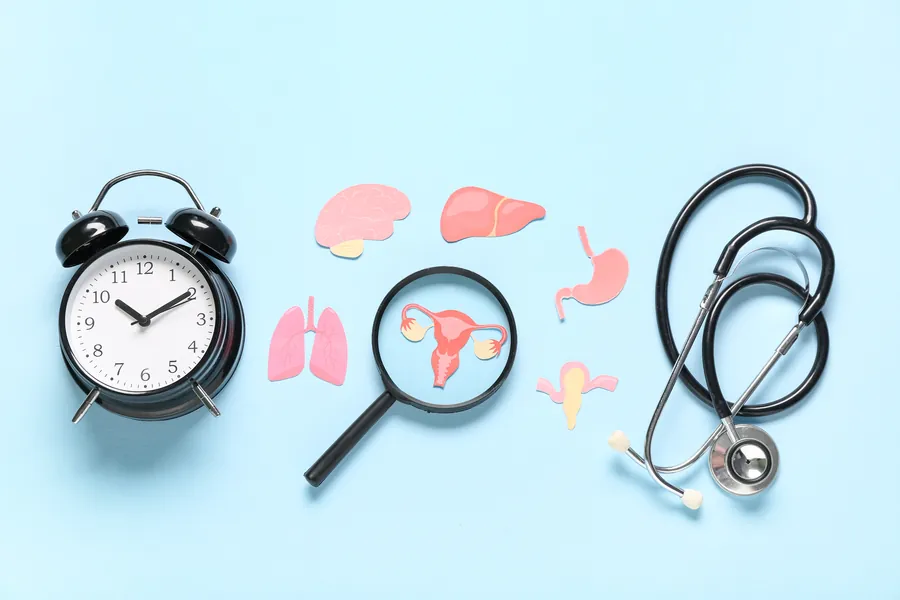 Rendeiro explains that organs age at different rates, with some showing different patterns, both systemic and confined to single organs.He adds: “Renal failure was also linked to accelerated aging across several tissues and diabetes with pancreatic aging, but these are associations from a cross-sectional, post-mortem cohort (each person’s tissues were only analyzed once, after death), not causal evidence.”
“We saw both systemic and single-organ aging patterns, so both approaches are plausible to investigate.”
The study reveals that participants’ AI-predicted biological ages were strongly linked to typical aging factors, such as telomere shortening, tissue pathology, and the number of chronic diseases the patient had.
Improving biological aging research
Since organ tissue cannot easily be collected, the researchers examined ways to learn the age of organs through blood by linking gene-expression profiles with the histologically derived tissue age gaps of the same individuals. This resulted in predictors of tissues’ biological age based on patterns linked to diseases.
 The blood-based predictors estimated tissue-specific age gaps, which were high in eight chronic diseases, often in the organs most affected, says Rendeiro.“Our blood-based predictors estimated tissue-specific age gaps and were elevated in eight chronic diseases, often in the organs most affected,” says Rendeiro. These include Alzheimer’s disease, Crohn’s disease, cystic fibrosis, vasculitis, diabetes, and stroke.
The study found that Alzheimer’s disease had the strongest aging signal in the brain, while it linked Crohn’s disease to faster aging of the gastrointestinal tract.
“If validated prospectively, such readouts could monitor organ aging over time, including whether lifestyle or dietary changes affect specific organs. Today, they are research tools, not calibrated for use at home or clinically,” concludes Rendeiro.
In other research drawing health span insights from blood, InsideTracker recently added a new feature to its B2B Terra platform, a blood data connector that analyzes nearly 120 biomarkers from diverse formats and electronic health records. The platform’s AI engine cross-references blood results with user data to provide personalized lifestyle, nutrition, and supplement advice.
Meanwhile, the American Nutrition Association called for using a new biomarker test, the glucose ketone index, taken from a finger-prick blood test for simple, real-time tracking of an individual’s metabolic state and dietary adherence.