



Fuel for active nutrition: AI and tech power personalized product innovations

Key takeaways
- AI, wearable devices, and digital platforms are enabling real-time, personalized nutrition recommendations based on activity, sleep, stress, recovery, and hydration data.
- Active nutrition is expanding beyond athletes toward mainstream consumers seeking energy, healthy aging, metabolic health, gut support, and cognitive performance.
- Formulators must balance efficacy, taste, solubility, and stability while developing convenient formats such as RTDs, gummies, powders, shots, and functional snacks.

Active nutrition is seeing an increased integration with AI and tech devices among consumers, such as wearable devices, to optimize health and nutrition. The increased access to consumer data brings opportunities for the industry to customize nutrition with personalized innovations.
Nutrition Insight sits down with experts from ADM, Balchem, Lactalis Ingredients, Sirio, and BioViVo Sciences to discuss how technology and AI are reshaping the industry. We also discuss the most trending formats for active nutrition and how to overcome formulation hurdles.
Alicia Humpert, global marketing director of Microbiome at ADM, says consumers expect nutrition solutions tailored to their unique lifestyles, health goals, and activity patterns, and AI is helping make this level of personalization more accessible.

“Wearable devices and digital health platforms now generate large volumes of data related to activity levels, sleep quality, stress, recovery, and hydration status. AI-powered platforms can analyze these data streams and provide individualized recommendations regarding nutrition, supplementation, hydration, and recovery strategies.”
“AI-assisted formulation tools can also help identify microbial strains that may support specific health and wellness goals. When paired with the expertise of researchers and food scientists, AI can accelerate the development of innovative nutrition solutions tailored to the evolving needs of everyday active consumers,” she adds.
Elodie Macariou, senior product manager at Lactalis Ingredients, says that from a consumer’s standpoint, technology and AI are turning nutrition “from a guessing game into a seamless, highly personalized, and stress-free experience.”
Smoother nutritional tracking
Macariou says that using technology for nutrition enables frictionless tracking. She explains that consumers no longer want the chore of manually calculating macros or typing in long ingredient lists.
“Today, AI-powered apps allow them to log their nutrition instantly by simply scanning a product’s barcode or even taking a photo of their meal. This makes staying on track with their active lifestyle effortless.”
She adds that there is also a rise of real-time, wearable-driven personalization. Consumers are increasingly connecting their smartwatches, fitness trackers, or continuous glucose monitors to AI health platforms.
“These platforms analyze their data to offer real-time, actionable dietary recommendations. For example, after an intense run or a night of poor sleep, an AI assistant might suggest exactly when to consume a high-protein kefir or a refreshing, clear protein water to optimize recovery and stabilize their energy levels.”
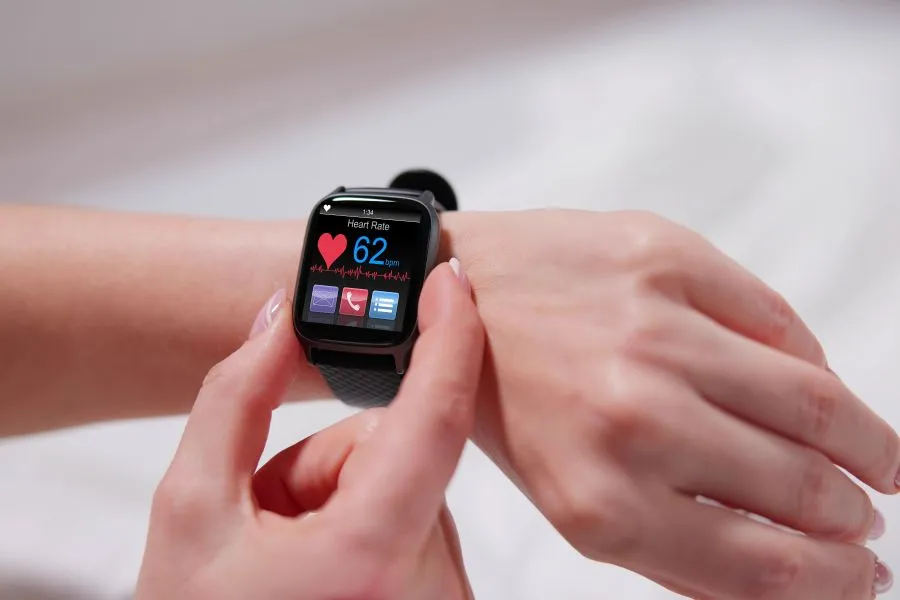 Balchem says more than half of EU citizens already use a health or fitness app.Additionally, technology is bringing instant, on-demand education. “By scanning a QR code on our packaging, consumers can interact with digital assistants that explain exactly how that specific product fits into their personal daily goals. It takes the complexity out of nutrition science and translates it into simple, practical advice they can use on-the-go,” Macariou says.
Dominik Mattern, VP of Science, Business Development and Marketing at Balchem Human Nutrition and Health, tells us that more than half of EU citizens already use a health or fitness app, with wearable device ownership growing steadily behind it.
“These tools are giving consumers an increasingly detailed picture of their own health, from sleep quality and recovery time, to nutrient gaps and energy patterns. What’s changing is that these tools are moving beyond tracking into active guidance, telling users not just where they stand but what to do about it.”
He states that for ingredient suppliers and formulators, “the implication is clear: consumers are arriving better informed, with more specific expectations. As a result, the demand for science-backed ingredients with well-defined benefits will only accelerate.”
Doris Ip, senior marketing manager at BioVivo Science, adds that AI is making everyday active nutrition more accessible and personalized.
“In the past, consumers often needed specialized knowledge or professional guidance from a nutritionist to understand how ingredients, macros, or product benefits supported their activity levels. Now, AI tools can help people quickly explore what different nutrients do, compare products, and make more informed choices for daily needs.”
However, she notes that the volume of AI-generated information can also be confusing or inconsistent.
“That makes trust even more important. Brands and ingredient suppliers need to support clear, science-based communication, transparent documentation, and responsible claims so consumers can feel confident that the products they choose for everyday active lifestyles are credible, effective, and easy to understand.”
Nutrition category expanding
The experts are united that active nutrition is no longer a niche market reserved for elite athletes or bodybuilders. Instead, it has transitioned into everyday performance for mainstream consumers.
Macariou explains: “Today, people are looking for functional foods that support energy, healthy aging, metabolic health, and gut health without disrupting their daily routines.”
“Additionally, we are seeing a strong Food as Medicine movement. With the rise of GLP-1 awareness and a general focus on metabolic wellness, consumers are prioritizing nutrient density and satiety over sheer volume.”
She also details the current trend of fibermaxxing and gut health, where consumers expect their protein-rich active lifestyle products to also support a healthy microbiome and digestive comfort. “This last point is fueling the strong momentum we’re seeing in high-protein yogurts, which address both digestive health and satiety concerns.”
Maria Pavlidou, head of Brand at Sirio Europe, echoes what Macariou says about the consumer demand for active nutrition changing from athlete-heavy to everyday people.
 People are looking for functional foods that support energy, healthy aging, metabolic health, and gut health, says Lactalis Ingredients.“For brands, this means that the real growth market isn’t the dedicated gym-goer, it’s the person who wants more energy, better muscle health, and to stay sharp as they get older. Creatine has caught that wave. The science has always been there; what’s changed is who’s paying attention,” she notes.
Pavlidou continues saying that creatine is “undoubtedly the ingredient to watch right now,” and increasingly outside of sports nutrition.
“Google searches for creatine have seen a marked growth (~265%) in the last five years. Consumer interest in muscle health, sustained energy, and cognitive performance is growing across all age groups — and all these are areas where this ingredient has an established evidence base.”
Creatine has recently been highlighted as more than a sports supplement, as studies have demonstrated it improves cognitive functions like memory, mood, and processing speed, particularly in older adults or those with lower baseline levels.
“The International Society of Sports Nutrition identifies creatine as one of the most effective ergogenic nutritional supplements for improving high-intensity exercise capacity and lean body mass,” says Pavlidou.
Despite its multifunctionality, creatine remains one of the most sought-after ingredients in sports nutrition, says Mattern from Balchem.
“Creatine and magnesium are two of the biggest movers, both featuring in the top three most popular ingredients for sports supplements in 2025 according to Innova Market Insights. What people might not know about these ingredients is that they are part of the same energy system in the body, working hand-in-hand to fuel the rapid regeneration of ATP (the body’s energy currency) when our muscles need energy fast.”
Ingredients, formats, and formulation hurdles
Mattern details that Vitamin K2 is another ingredient moving into this space. “It is already growing in popularity thanks to its benefits for bone health, especially in combination with vitamin D3. Early findings from a recent trial suggest it may support neuromuscular signaling in older adults after exercise, opening up promising avenues of research for how this ingredient could support a more active approach to aging.”
The industry is also seeing an increase in multifunctional ingredients and formats. Ip from BioVivo Science tells us that consumers are seeking functional ingredients that support energy, focus, hydration, and overall daily vitality, delivered in convenient formats such as ready-to-drinks (RTDs), gummies, stick packs, powders, shots, and functional snacks.
“We see a strong opportunity for American ginseng, a North American native botanical that is different from Panax ginseng, and the former is often positioned for calm energy, stress support, and vitality.”
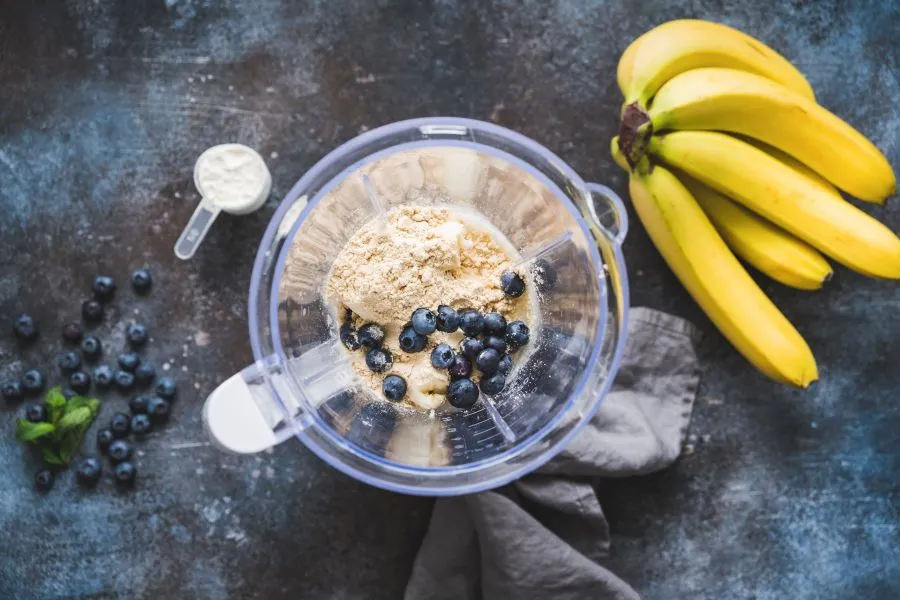 Ip shares that one of the biggest formulation hurdles is balancing efficacy, solubility, taste, and consumer expectations.Ip details that BioVivo Science has developed an optimized form of American ginseng with enhanced solubility to help improve bioavailability and make ginsenosides easier to incorporate into gummies and beverage formats.
“Natural caffeine is also gaining interest as consumers look for cleaner, plant-based, and more sustained energy support, compared with the sharper ‘spike and crash’ perception often associated with synthetic caffeine.”
On the note of formatting, Ip shares that one of the biggest formulation hurdles is balancing efficacy, solubility, taste, and consumer expectations.
“High-performance ingredients such as adaptogens or botanicals can bring challenges related to bitterness, sedimentation, stability, and how well they dissolve in beverage or snack systems. In mainstream formats like RTDs, gummies, and functional snacks, consumers expect products to taste good, look appealing, and fit easily into daily routines, while still delivering a meaningful functional dose.”
“The challenge is making these ingredients both effective and enjoyable enough for repeat purchase,” she says.
ADM’s Humpert points to another formulation challenge for traditional probiotics and some bioactive ingredients, as they may struggle to maintain efficacy under processing conditions such as heat treatment, moisture exposure, or extended shelf life requirements commonly associated with RTD beverages, baked goods, and snack products.
“This is where postbiotics and spore-forming probiotics can offer meaningful advantages. Postbiotics do not contain live microorganisms, which means they can withstand demanding formulation environments while maintaining efficacy.”
Knowledge drives holistic health
Adding to the shifts in demands and markets, consumers are also becoming more informed, knowledgeable, and attentive.
Mattern says consumers are paying closer attention to what’s in their products than ever before, especially for branded ingredients, as they are becoming a mark of quality and trust.
 Humpert says that active consumers are increasingly prioritizing holistic health.“That means ingredient suppliers like Balchem have an increasingly important role to play, not just in supporting formulators, but in helping consumers understand how specific ingredients fuel their goals. Our Premier Ingredients for Premier Athletes platform (PI4PA) is built around this idea, mapping our branded ingredients to specific performance needs, from energy and cognition to endurance and recovery, so brands can build formulations with a clear consumer story,” he notes.
Humpert adds that active consumers are also increasingly prioritizing holistic health, making them seek out solutions that support not only physical performance, but also emotional well-being, stress management, sleep, and metabolic health.
“Expanding evidence indicates the gut microbiome may influence recovery, body composition, stress resilience, sleep quality, and overall performance, thus broadening opportunities for biotics in active nutrition applications.”
Macariou concludes that the future of active nutrition is incredibly exciting because it is becoming more holistic and inclusive.
“It is no longer about choosing between dairy or plant, or choosing between performance or health. The future lies in hybrid, multifunctional products that combine the unmatched nutritional power of dairy proteins with the gut-health benefits of fibers and the targeted wellness benefits of botanicals.”