




US Men’s Health Month: 63% ready to ditch meat-heavy diets for wellness

Key takeaways
- A new PCRM poll found that 53% of men link carnivore diets with masculinity, while only 10% say the same about plant-based diets.
- The poll also found that 63% of men would change their diet after learning that meat-heavy eating can harm health.
- Experts say plant-based foods can support men’s health by lowering risks tied to heart disease, fertility, and colorectal cancer.

This month marks Men’s Health Month in the US, and the Physicians Committee for Responsible Medicine (PCRM) has found that 53% of men associate a carnivore diet with masculinity. Only 10% see a plant-based diet in the same light. However, 63% of the poll participants are willing to change their diets upon learning that traditionally “masculine” foods could be harmful to health.
Experts have been warning against diets consisting mainly of meat and dairy due to the risk of serious health issues such as heart disease and reduced fertility, caused by high LDL cholesterol. PCRM underscores the importance of plant-based nutrients, such as fiber, carbohydrates, and phytochemicals like lycopene in tomatoes and resveratrol in grapes and berries, which are essential for men’s health.

Noah Praamsma, a registered dietitian nutritionist and a nutrition education coordinator with PCRM, tells Nutrition Insight why men might not be adhering to health advice, how they perceive their diets, and where certain myths about plant-based diets and estrogen are coming from.
Two major factors
Most men in PCRM’s survey said they would eat differently if they knew their diet was hurting them. The poll, conducted among 1,020 US men between May 12 and 14 this year, reveals two factors that influence men’s dietary choices: scientific evidence and advice from a doctor or health care professional.
“This aligns with other polls that have found that men are more likely to choose a vegan diet because of rational (rather than emotional) reasons, such as health or environmental reasons,” explains Praamsma.
“The fact that most men aren’t following healthy diets suggests two possible factors. One is that they may not be acting rationally, or more specifically, that forces, such as societal expectations, are actually more powerful in shaping their decisions than a desire for good health.”
The second factor points to an awareness problem — something that is more actionable, as men are not taught that meat or animal products are increasing disease risks, says Praamsma. He adds that their doctors are probably not talking to them about their diet.
“The PCRM has dedicated itself to addressing this problem with resources like our upcoming International Conference on Nutrition in Medicine (August 13–15), NutritionCME, and Nutrition Guide for Clinicians. These evidence-based resources help equip health care professionals with lifesaving nutrition information to share with their male patients.”
A previous PCRM poll revealed that half of US men are not aware of the link between colorectal cancer and meat consumption.
The carnivore diet is more prevalent in men than in women. Nutrition Insight previously explored the sexist and classist myths associated with meat-heavy diets, along with their historical roots.
US nutrition policy
Praamsma flags that nutrition policy in the US might also contribute to the confusion about the health risks of animal products.
 Men’s Health Month spotlights how masculinity myths shape diet choices. “The recently released 2025-2030 Dietary Guidelines for Americans, which were written by authors with strong ties to the meat industry, and the New Food Pyramid encourage eating more protein from red meat and other animal products, which are linked to many men’s health issues.”
“The good news is that soon after the release of the Dietary Guidelines, the American Heart Association released its own dietary guidance for heart health, recommending that people shift from meat to plant sources (legumes and nuts),” he comments.
Erectile dysfunction
PCRM underscores that erectile dysfunction can be an early sign of heart disease and that doctors should be warning men about this. It advises avoiding red and processed meats to help protect against this condition.
“There are studies showing that men with erectile dysfunction may have a higher risk of heart disease, stroke, and even early death. But research shows that a plant-based diet may help lower a man’s risk for erectile dysfunction and heart disease,” says Praamsma.
PCRM notes that a meta-analysis of 25 studies showed that men with erectile dysfunction had a 59% higher risk of coronary heart disease or atherosclerosis, 34% higher risk of stroke, and a 33% higher risk of dying from any cause. This was in comparison to men without symptoms of erectile dysfunction.
The estrogen myth
Forty-nine percent of men in PCRM’s survey considered meat “masculine,” while 35% considered soy products “feminine.” The gendered association was more prevalent in those aged 18–34. The poll also found that equal numbers of men believe that soy and dairy contain estrogen, even though they do not work the same way in the body.
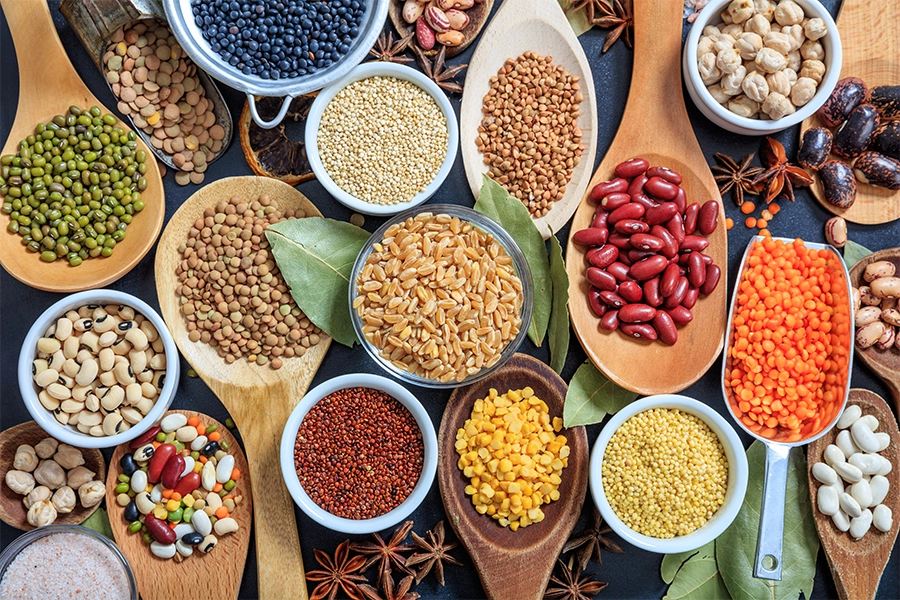 Plant-based foods offer men a science-backed path away from meat-heavy myths.Answering where the confusion comes from, Praamsma says: “Soy products contain phytoestrogens, which are plant compounds that are beneficial in protecting against heart disease, prostate cancer, and other health conditions.”
“The misunderstanding comes from years of assuming phytoestrogens had the same effect as the mammalian hormone estrogen, which is found in dairy products and can increase the likelihood of developing prostate and endometrial cancers, among others.”
He adds that research has shown that consuming soy products does not impact estrogen or testosterone levels in men. However, consuming milk can increase estrogen levels in men.
Nutrition Insight previously spoke with the Soy Nutrition Institute about why people should consume more soy, including processed versions, and what drives unfounded fears about soy products.
Influencer versus science
There is a rise of influencers promoting meat-heavy diets, which have a huge following, putting nutrition science into question on public platforms. Research estimates that following the nutrition advice of 53 social media “super-spreaders” — that include promotion of keto and carnivore diets — could put up to 24 million people at risk of serious health consequences.
Praamsma says: “Meatfluencers and the manosphere are pushing the disease-causing myth that consuming meat and milk is manly. However, our evidence-based message — and that of countless other influential doctors, dietitians, and leading medical organizations — is pretty simple too: Eat plants.”
“A diet made up of fruits, vegetables, grains, and beans — with the addition of a daily vitamin B12 supplement — provides all of the nutrients you need without any of the dangerous side effects of consuming meat. We’re making sure that science-backed message remains top of mind for the public.”
A US national survey found that nearly half of citizens rely on unaccredited sources, social media, and AI-generated recommendations for nutrition advice rather than trained professionals.
Previously, Balchem suggested brands to engage Gen Z influencers with credentialed partners, pre-approved science claims, and regulatory review to combat misinformation.
TikTok significantly shapes young consumers’ food choices. Researchers previously told us how algorithms shape diets and how food and nutrition companies could rethink product development.
Education and income levels
The participant’s income or education level was found to affect how strongly men link meat with masculinity.
“Our poll found that US men linked meat and meat-focused diets (like carnivore and keto) with masculinity at similar rates across income and age groups. However, those with both higher income and education were more likely to perceive a link between their own personal dietary patterns and their masculinity,” says Praamsma.
“Higher education levels also predicted more willingness to shift from the foods they thought were most masculine toward ones that were better for their health,” he concludes.