


Study finds TikTok majorly impacts younger consumers’ diets and food habits

Key takeaways
- Visually appealing, dynamic TikTok food content has a stronger influence on young users’ diets than the identity of the poster.
- TikTok’s recommendation system quickly learns user preferences and repeatedly promotes engaging food-related content, accelerating viral diet trends.
- Brands can tap into viral trends, but experts warn against promoting extreme or non-evidence-based diets and urge companies to measure long-term behavior change.
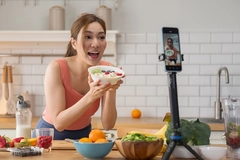
A Polish study has found that TikTok significantly shapes young consumers’ food choices. It evaluated the results of 406 active users on the social media platform who completed an online survey that factored in entertainment, virality, influencers, social opinions, connections with creators, and attitudes toward culinary trends.
Nutrition Insight speaks with the corresponding author, Artur Strzeleck, at the University of Economics, to learn how algorithms shape diets and how food and nutrition companies could rethink product development.
He also warns of potential risks that online trend-driven food influence poses next to evidence-based nutrition, while suggesting companies measure whether the trends have long-term impacts.

A limitation of the study is its small sample size, which may limit the generalizability of the findings. Also, fast-changing TikTok trends might make the findings quickly irrelevant as user preferences change and algorithms evolve. Lastly, the authors note their study lacks a qualitative content analysis of TikTok and fails to address misinformation.
The researchers suggest that future studies are needed to examine the flow of disinformation and TikTok’s role in spreading unverified information.
Visual appeal shapes diets
The International Journal of Consumer Studies paper finds that users who view TikTok as a valuable source of information on recipes and healthy eating are more open to culinary experimentation. They are also more likely to change their habits and adopt new solutions in their daily nutrition.
Short, visually engaging TikTok videos are reshaping how young consumers experiment with recipes and adopt eating habits.On the importance of appealing content and dietary changes, the study details: “Short, dynamic, and visually appealing videos make users view cooking not only as a necessity but also as a form of entertainment.”
“This mechanism is particularly evident in popular culinary challenges and tutorials that encourage experimentation in the kitchen and sharing results with others.”
Associate professor Strzeleck points out that the most important factor influencing what people want to eat and drink under TikTok’s influence is the content of the video itself.
“Who created it matters less than how the food is presented. Whether the video reviews a restaurant or demonstrates a recipe, the key driver is the way the dish is shown and explained, especially how it is prepared and how appealing it looks.”
The second strongest variable is the subjective bond between viewers and content creators, who shape users’ culinary trends.
“If the goal is to shape consumer behavior via TikTok, it is essential to design content appropriately and to take into account the characteristics and credibility of the content creators involved,” the study details.
The authors believe stakeholders such as dieticians, educators, and public health institutions can benefit from the study findings. For instance, they could design campaigns on healthy eating and responsible dietary practices in partnership with content creators.
Furthermore, these stakeholders could develop culinary challenges in short-form videos made by credible creators to engage users with healthy diets in accessible formats. These could be tied to seasons or use relevant hashtags, which younger generations respond to, especially when it’s new.
Cautiously leveraging viral diets
The study also underscores the influence viral videos have on attitudes to food and diet trends. Different creators replicating recipes give the dishes credibility and make them more appealing.
Algorithm-based viral diet trends may encourage extreme or restrictive eating patterns if not balanced with evidence-based guidance.Emotionally engaging content also explains why some content goes viral, the paper notes. This is especially seen with positive emotions linked to culinary experiences, which are then rewarded by the platform’s algorithm.
Associate professor Artur Strzelecki points to how TikTok’s algorithm effectively detects a user’s preferences. “Within a short time, often tens of minutes, the algorithm can learn what a user finds most engaging and then increasingly recommends content that matches their current interests.”
“In this way, the platform’s recommendation system itself actively amplifies particular food-related trends by repeatedly showing users the kinds of videos that capture their attention at that moment.”
To leverage diet trends, he also notes that food and beverage companies should monitor social media and emerging trends, although they likely already do so. “If they pay close attention to what is currently popular on TikTok, they can incorporate these signals into marketing and product decisions.”
“While developing a new food product takes time, some elements can be adapted quickly. For example, by updating labels, packaging, or limited-edition variants to reflect a trending flavor, format, or serving idea.”
Risks and long-term behavior changes
TikTok also poses a risk driven by diet trends, leading to extremes, Strzelecki warns. For instance, some young users could become overly focused on body image or adopt restrictive or time-consuming diets. This could divert and overtake their attention and hinder their daily routines.
“This is why media consumption and eating habits should remain balanced. Brands should communicate responsibly, avoid promoting unhealthy fads, and align messages with evidence-based nutrition principles.”
Strzelecki suggests that the industry can assess whether TikTok engagement translates into lasting behavior change rather than short-term hype by conducting regular research through its own channels and commissioning external studies.
“The goal is to test whether the effects of product promotion are temporary or whether they persist over time, e.g., whether consumers retain awareness, maintain purchasing patterns, and continue the associated food behaviors beyond the initial trend cycle.”
Previously, Nutrition Insight spoke with researchers who uncovered a growing disinformation trend on social media. They found that following the nutrition advice of social media “super-spreaders” could put up to 24 million people globally at risk of serious health consequences. Topics focused on biohacking therapies, medical conferences, and promoting keto, carnivore, or raw milk diets.