




Long-term review finds wild blueberries have cardiometabolic, gut and cognitive benefits


Key takeaways
- A review of human trials shows that wild blueberries enhance blood vessel function and glycemic control and have potential benefits for lipid levels and blood pressure.
- The unique polyphenol and anthocyanin profile of wild blueberries supports cardiometabolic health via multiple pathways, including the gut microbiome.
- Regular intake of about one cup per day is linked to benefits for heart and gut health and cognitive function, particularly in higher-risk populations.
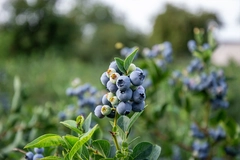
A new review has found strong evidence that wild blueberries improve cardiometabolic health. Blood vessel function and blood glucose benefits have strong support, blood pressure and lipid marker findings are promising but need larger clinical studies.
The study in Critical Reviews in Food Science and Nutrition examines 12 human clinical trials spanning 24 years across four countries. It also includes dozens of other clinical, translational, and mechanistic studies on wild and cultivated blueberries and their cardiometabolic outcomes. Additionally, it examines gut health and cognitive function benefits.
Uniqueness of wild blueberries
Wild blueberries, or lowbush blueberries, grow in Maine, US, and Eastern Canada under challenging conditions, note researchers. Stressors, such as harsh winters, stimulate the plants to produce protective compounds, such as polyphenols. These plant bioactives have been found to contain about 30 different types of anthocyanins.
The authors recommend a daily intake of about one cup of blueberries for optimal benefits, while highlighting the unique composition of wild blueberries as key to their health benefits. Effects are noticeable when blueberries are regularly consumed over weeks or months.
“Wild blueberries have been valued by people for thousands of years,” notes lead author Dorothy Klimis-Zacas, Ph.D., professor of Clinical Nutrition at the University of Maine. “Traditional knowledge recognized their value, and today’s research continues to explore how the unique composition of wild blueberries may support health when eaten as part of an overall balanced diet.”
They note that wild blueberries can be found frozen all year round, making them handy to use in smoothies, oatmeal, yogurt, salads, or baked goods.
“What makes wild blueberries remarkable is that they contain numerous polyphenols and nutrients and don’t appear to exert their health benefits through just one mechanism,” explains co-lead author Sarah Johnson, Ph.D., R.D.N., associate professor at Florida State University, US.
“The evidence suggests these berries may support multiple biological pathways relevant to cardiometabolic health, from blood vessel function to inflammation and oxidative stress, with effects that can vary from person to person. Recent research on the role of the gut microbiome in determining its health benefits is exciting and may help researchers determine ways to support the gut microbiome to enhance their health benefits.”
The review identifies several pathways, including nitric oxide signaling for healthy circulation, inflammation and oxidative stress pathways, lipid and glucose metabolism, and interactions with the gut microbiome.
Health benefits
Consistent clinical literature shows that wild blueberries improve blood vessel function, such as endothelial function, which is how well vessels respond to stimuli. Effects have been seen to take place within hours after a single serving and in other cases over weeks or months of regular intake.
For gut health, wild blueberries are high in fiber and polyphenols that reach the colon, the review finds. The small intestine metabolizes around 5–10% of these compounds, while the rest is transformed by gut microbes into metabolites, which are absorbed into the blood.
These metabolites account for 40% of the active compounds in the blood after eating wild blueberries, add the researchers. People who ate 25 g of wild blueberry powder daily in a six-week clinical study experienced increased levels of Bifidobacterium species.
The microbiome is touted as a key connecting factor for cardiometabolic effects, however, the researchers suggest further research into understanding its role.
Meanwhile, older adults who consumed wild blueberries in clinical studies, both single-serving and longer interventions, showed better cognitive performance, thinking speed, and memory. The researchers posit this may be due to whole-body circulation.
Additionally, for people with higher cardiometabolic risk, consuming wild blueberries was associated with clinical improvements in blood pressure, glycemic control, and lipid markers such as total cholesterol, LDL cholesterol, and triglycerides in several studies. However, many factors may influence outcomes, including health status, medications, dietary background, and differences in metabolism and the gut microbiome.
The authors advocate additional studies to identify “responders,” to clarify the optimal food forms and dosages, and to assess a broader range of biomarkers.