




David Protein responds to calorie labeling lawsuit over its protein bars


Key takeaways
- David Protein is facing a lawsuit claiming its protein bars contain far more calories and fat than stated on the label, based on independent laboratory testing.
- The company disputes the results, arguing the lawsuit relies on bomb calorimetry and standard calorie calculations that are unsuitable for ingredients like EPG.
- CEO Peter Rahal says the labels comply with FDA rules, stating the testing method overestimates calories by measuring combustion energy rather than metabolizable energy.
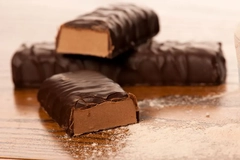
US-based David Protein is facing a lawsuit over the nutritional labels on its protein bars, as independent testing clinics found they do not align with the bars’ actual contents. The company has responded to the lawsuit, maintaining that its content contains the advertised amount of fat and calories while claiming that the testing methods are outdated.
The bars’ labels say each serving contains 28 g of protein, 150 calories, and 2.5 g of fat. However, the US FDA-accredited Anresco Laboratories, which conducted the testing, found it contains 78–83% more calories and 400% more fat than stated on the labels.
The findings violate FDA regulations, as the nutritional content must be within 20% of the actual values. This means that if calories are labeled as 100, then they must be between 80 and 120.
Instead of being within the 150-calorie range, the testing found it contains 271 calories. Meanwhile, the nutrition label claimed 2.5 g of fat, but the range was 11–13.5 g.
Peter Rahal, the CEO of David Protein, has responded to the allegations by stating the claims are “simply wrong” and “rest on a flawed and misleading interpretation of how calories are determined for certain ingredients under US food labeling regulations.”
Rahal claims that the fat and calorie content in the bars is accurate and reflects the labels.
“Flawed testing”
Rahal says the testing referenced in the lawsuit relies on bomb calorimetry, a laboratory method that measures total heat released when food is completely burned, and applies the standard 4-4-9 caloric values for carbohydrates, protein, and fat, respectively.
 David Protein states that its products are labeled correctly and in full compliance with all FDA regulations.“While bomb calorimetry is a recognized calorie testing method for many foods, it is widely accepted in the industry that bomb calorimetry is not the right testing method for determining calories in foods containing certain ingredients, such as dietary fiber, certain sweeteners, and, critically for us, fat substitutes like esterified propoxylated glycerol (EPG).”
He argues that it is equally well accepted that the standard 4-4-9 caloric values do not apply to these ingredients. “This is precisely why the FDA rules permit the use of six different calorie calculation methods.”
“If you burn ingredients like complex carbohydrates, fiber, or EPG in a calorimeter, these ingredients would appear to deliver far more calories than the body actually metabolizes. In reality, these ingredients are not fully bioavailable and therefore do not yield their full caloric content when ingested. To address this issue, the FDA permits the use of specific caloric values for approved ingredients,” says Rahal.
The company further states that its products are labeled correctly and in full compliance with all FDA regulations.
In the example of EPG, Rahal says the FDA has reviewed multiple generally recognized as safe notices for over a decade, which said that it contributes with 0.7 calories per g rather than 9 calories per g for conventional fats.
“The claims in this lawsuit are meritless and reflect a fundamental misunderstanding of basic, well-established scientific principles regarding how calories are determined under US nutrition labeling standards for ingredients like EPG.”
“David Protein stands firmly behind the accuracy of its labeling and will vigorously defend it. We remain committed to delivering innovative products with a high protein-to-calorie ratio that consumers can trust,” he concludes.