


USDA adds watermelon rind’s nutrition profile to FoodData Central


Key takeaways
- The USDA FoodData Central database has assigned an official nutrition profile to watermelon rind to standardize its nutrient data.
- A third of a cup serving of raw watermelon rind contains only 10 calories while offering 1 gram of dietary fiber, 140 mg of potassium, and 4 mg of vitamin C.
- Consuming the rind in smoothies, slaws, or stir-fries helps maximize the fruit’s nutritional value and reduce food waste.
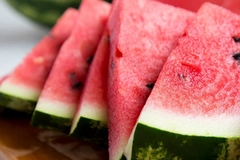
Watermelon rind has been assigned an official nutrition profile in the US Department of Agriculture (USDA) FoodData Central database. The new USDA nutrient profile outlines that a third of a cup serving (50 g) of diced raw watermelon rind contains 10 calories and offers 1 gram of dietary fiber, as well as 140 mg of potassium and 4 mg of vitamin C.
While the rind is not a replacement for watermelon’s nutrient-dense flesh, the USDA profile highlights its complementary nutritional value as an underutilized source of nutrients. The guidance offers registered dieticians, researchers, and recipe developers a benchmark for using the ingredient in recipes, encouraging the utility of the whole fruit.
“We’ve long encouraged consumers to use the whole watermelon, from the sweet flesh to the versatile rind,” says Megan McKenna, senior director of Marketing and Foodservice at the National Watermelon Promotion Board.
“The new USDA nutrient profile gives registered dietitians and other health professionals the standardized data they need to confidently incorporate watermelon rind into recipes and nutrition guidance, helping consumers get even more value from every watermelon they bring home.”
Cutting food waste while boosting nutrition
The new USDA listing adds to an expanding body of research spotlighting watermelon’s nutrition profile.
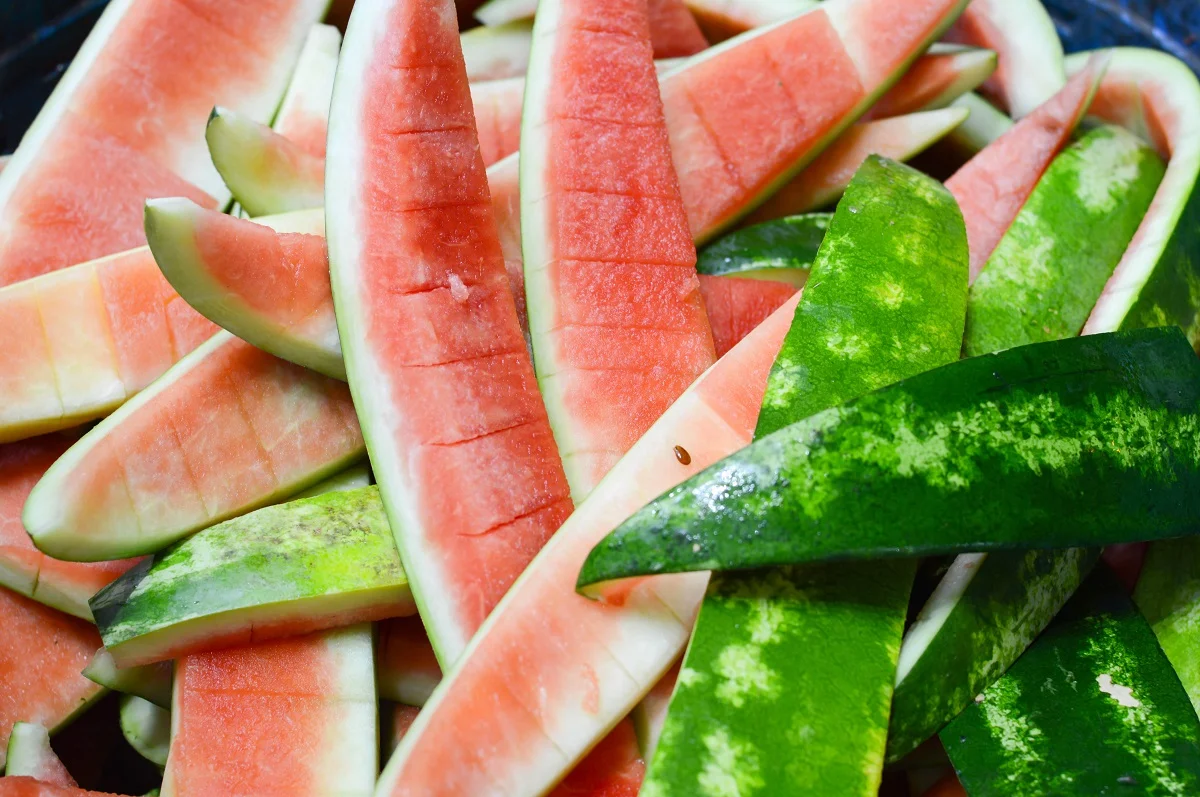 Watermelon rind is a rich source of vitamin C and contains only 10 calories per 50 g.One analysis of US National Health and Nutrition Examination Survey data published in Nutrients revealed that children and adults who consume watermelon have higher overall diet quality and greater intakes of dietary fiber, magnesium, potassium, vitamins A and C, lycopene, and other carotenoids than non-consumers.
They also generally consumed less added sugar and saturated fat. The rind is made up of 92% water and has 60 calories per two-cup serving, supporting healthy eating patterns.
The profile notes that watermelon rind can be blended into smoothies and juices, shredded into slaws, quick-pickled, or added to stir-fries and relishes to reduce food waste.
Watermelon flesh provides 25% of the Daily Value (DV) for vitamin C, 10% for vitamin B5, 8% for vitamin A, 8% for vitamin B6, and 6% for potassium, along with naturally occurring lycopene.
Fruits’ nutritional value
While the new listing may advance the ingredient, the National Watermelon Promotion Board stresses that it cannot be translated across all populations — meaning they cannot yet standardize its health outcomes for all age groups, demographics, or regions.
In other recent dietary research supporting fruits’ nutritional value, Singaporean researchers have discovered that compounds extracted from red dragon fruit peel can be baked into bread to increase its antioxidant activity and slow starch digestion, which may lead to healthier everyday staple foods and cut food waste through upcycling.
A separate observational study found that consuming fruits may reduce the harmful effects of air pollution on lung function. Women who consumed four or more portions of fruit daily had less signs of decline in lung function than those who consumed less. Researchers suggest that fruit antioxidants and anti-inflammatory properties may play a role in this protective effect.