




Ultra-processed foods linked to infertility among US women


Key takeaways
- Higher intake of ultra-processed foods is associated with significantly lower odds of fertility in US women, even after adjusting for obesity and lifestyle factors.
- Women reporting infertility consumed more ultra-processed foods and had lower adherence to the Mediterranean diet, indicating distinct dietary patterns.
- The Mediterranean diet showed initial fertility benefits, but these were no longer significant after accounting for obesity, suggesting weight-related mediation.

A study has found an association between ultra-processed foods consumption and infertility in US women. The patterns remained consistent when accounting for factors such as obesity and lifestyle.
The research team stresses that the findings reflect a larger problem than obesity and cardiovascular health from consuming ultra-processed foods.
“Very few studies have asked a fundamentally female-specific question: how does what women eat influence their reproductive health? Fertility is a huge outcome, and this is the first time anyone has examined these dietary patterns and infertility at this scale,” says senior author of the paper Anthea Christoforou, assistant professor in the Department of Kinesiology, McMaster University in Ontario, Canada.
“It suggests diet may be an important and measurable factor associated with women’s ability to conceive. It’s one thing to say ultra-processed foods contribute to weight gain or cardiometabolic disease. But if they’re also affecting hormone pathways, that’s a much bigger issue — and it’s something people aren’t as aware of,” she says.
Consistent results
The study, published in Nutrition and Health, showed consistent results even when accounting for other factors, including age, weight, and lifestyle.
“Most of what we hear about ultra-processed foods focuses on calories and obesity. But our findings suggest something potentially more complex — there seems to be another mechanism at play which may reflect pathways beyond calories or weight, including chemical exposures that have been hypothesized in prior literature,” says Christoforou.
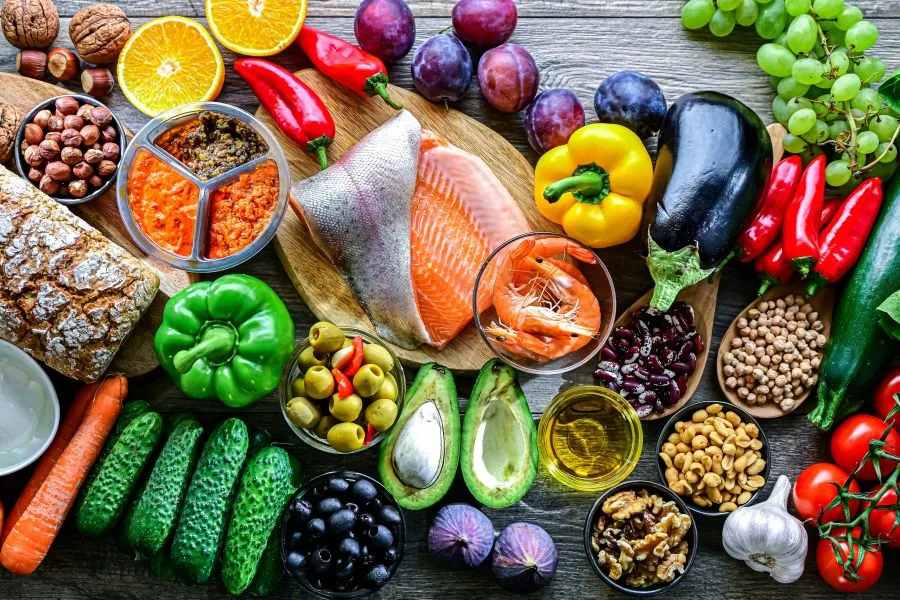 The team found distinct differences in eating patterns for the women reporting infertility.The study used data from 2,582 participants in the US National Health and Nutrition Examination Survey. The survey combines interviews, 24-hour dietary recalls, and laboratory tests to gather detailed information on health status, diet, demographics, and biomarkers.
The team found distinct differences in eating patterns for the women reporting infertility, which they defined as those trying to conceive for at least one year without success.
Those who reported infertility consumed a higher amount of ultra-processed foods and a lower amount of the Mediterranean diet — high in fruits, vegetables, wholegrains, and healthy fats.
In contrast, the Mediterranean diet was positively associated with fertility, unless the women were obese. The researchers suggest the effects come from the diet’s influence on maintaining a healthy weight and metabolism.
Christoforou observes that even if women’s nutrient intake looks normal, eating more ultra-processed foods means more exposure to additives and chemicals that go beyond calories.
Angelina Baric, a co-author and graduate student in the Department of Kinesiology, says: “Ultra-processed foods often carry chemicals like phthalates, bisphenol A, and acrylamides, which can leach from packaging or even from the plastic machinery used during processing. These compounds are known to disrupt hormones, and that may be part of why we’re seeing a link.”
Pushing for nutritional guidance
The research team stresses that the findings push for the need for dietary guidance for reproductive women.
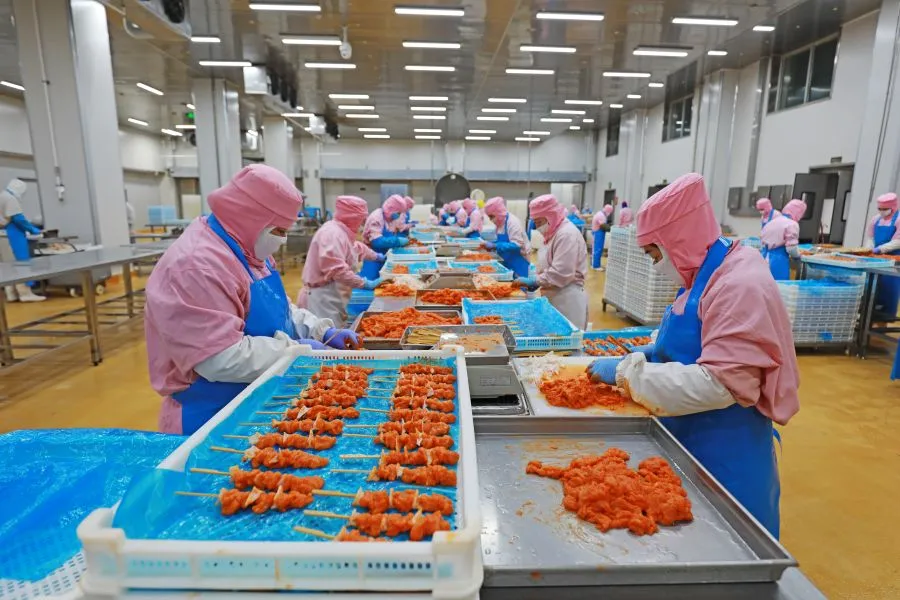 Processing affects foods in ways that aren’t reflected in nutrients alone, says Baric.They say that the results may look modest on an individual level. However, when fully adjusted ultra-processed foods intake showed lower fertility odds.
Similar results have been found in a recent study, as international scientists speculated that the rise of ultra-processed foods is linked to a diversity of poor health outcomes in men, including the fact that sperm quality has plummeted over the past 50 years. They flagged that diets high in ultra-processed foods expose consumers to higher levels of plastic-based pollutants that may impact sperm quality.
“Processing affects foods in ways that aren’t reflected in nutrients alone — from chemical exposures during manufacturing to ingredients that displace whole, protective foods,” says Baric.
“It’s not about perfection, it’s about noticing how food is processed, choosing more foods in their natural states, and picking ingredients you recognize. Even that simple shift can lower exposure to things we still don’t fully understand.”
Another recent study found that 71% of US baby foods are classified as ultra-processed foods, including infant and toddler products sold in the top ten US grocery store chains. The team behind this research expressed worries about these foods for infants and toddlers, as early-life nutrition can have long-term health effects.




Upcoming webinars

Pure love deserves a pure start: Solutions that give the best start from day one
dsm-firmenich

Magnesium bisglycinate in focus: why full chelation matters
Jungbunzlauer

Bifidobacteria and Healthy Ageing: New Insights into Ageing and Immunity
Morinaga