



Trans-vaccenic acid in breast milk drives long-term immune health in mice


Key takeaways
- Trans-vaccenic acid passed through breast milk increases immune cell production in baby mice and reprograms their cells to fight pathogens faster, even into adulthood.
- This long-term immune benefit only occurs if exposure happens postnatally during breastfeeding, rather than during pregnancy.
- Human data similarly link higher levels of this fatty acid in breast milk to better immune markers in infants and a reduced risk of chronic lung disease in preterm babies.
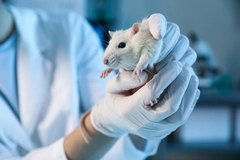
A new study in mice reveals that trans-vaccenic acid — the most abundant trans fatty acid in human breast milk — reprograms immune cells in newborns to respond better to pathogens from viruses and common bacteria, even into adulthood.
US researchers from the University of Chicago found that nursing female mice fed a diet enriched with trans-vaccenic acid passed the nutrient to their offspring. This increased their overall production of immune cells during the early stages of development.
According to the study authors, mice pups that were administered the compound in breast milk up to three weeks after birth were able to better respond to viral infection — a benefit that lasted into adulthood. However, this was not the case when they consumed it as an isolated supplement after weaning.
“It’s common knowledge that breastfeeding is important for neonatal immune development and overall health, but breast milk is so complex that it seems almost impossible that one single molecule would be sufficient to change a baby’s immune development,” says senior author Jing Chen, Ph.D., professor of Medicine at the University of Chicago.
“So, it was very surprising to see that during this crucial stage of development, one nutrient derived from the mother’s diet and delivered through breastfeeding has such a tremendous effect.”
Early-life immune development
As the gold standard of infant nutrition, fortifying early life development across diverse fronts, including gut health and allergies, human breast milk is a complex biological system. The authors of the study note that its diverse nutritional and immunomodulatory components collectively support infant development and health.
They say that because breast milk’s composition is influenced by maternal diet and contains many interacting molecules, mechanistic studies of its biological effects have been a challenge.
Therefore, they caution that breastfeeding benefits are often generalized to the combined action of multiple components. The authors say this raises the question of whether a single dietary molecule in breast milk can directly shape neonatal immune development and long-term immune imprinting.
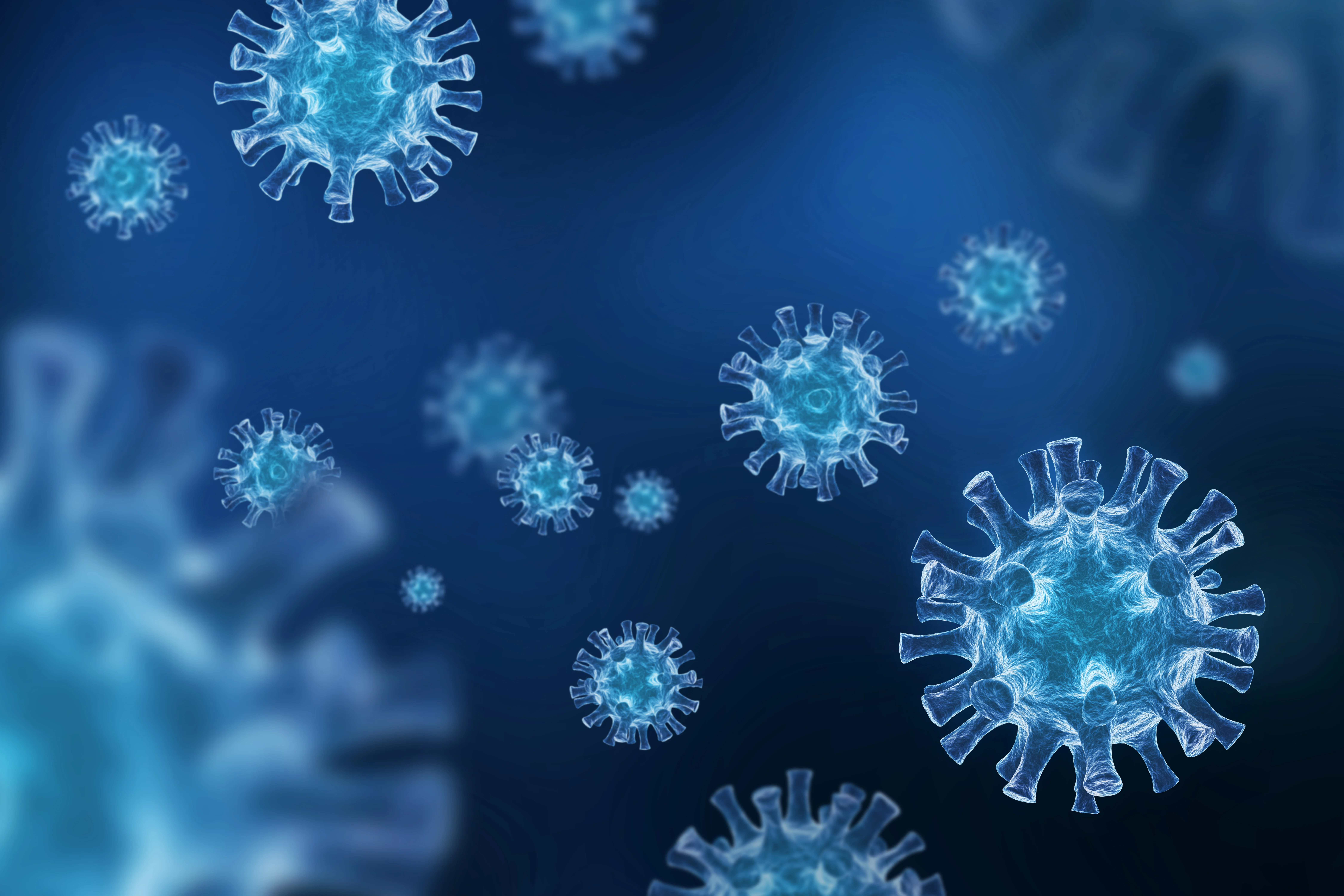 Increased trans-vaccenic acid reprogrammed mouse CD4+ T cells to prioritize fighting pathogens over responding to antigens.
Their study focuses on trans-vaccenic acid, a long-chain fatty acid commonly found in meat and dairy products from grazing animals such as cows and sheep. They note that human and mouse bodies cannot produce trans-vaccenic acid on their own, so it must be obtained through diet.
Published in Science, the study builds on the findings from a 2023 study, when Chen and his team found that trans-vaccenic acid improves the ability of CD8+ T cells, which infiltrate tumors and kill cancer cells in adult mice.
Because trans-vaccenic acid is also abundant in human breast milk, the researchers set out to learn how it might influence early-life immune development.
The study involved a series of mouse experiments, in which researchers fed nursing female mice a diet enriched with trans-vaccenic acid. This nutrient was passed to their pups through breast milk and supported the development of a broader and more effective immune cell population, specifically CD4+ T cells, which are important for adaptive immunity.
Reprogramming immune cells
Genetic analyses in the study revealed how increased trans-vaccenic acid helped reprogram CD4+ T cells in the mice in a way that shifted their natural immune responses to favor fighting off microbes and other pathogens, instead of responding to antigens.
Follow-up experiments showed that mice raised on trans-vaccenic acid-enriched breast milk responded more quickly when exposed to the flu virus or Salmonella. They also had better survival rates than controls.
The researchers note that this advantage appeared only when mice were exposed to trans-vaccenic acid during breastfeeding. Pups that were exposed to trans-vaccenic acid via the mothers’ diet during pregnancy but were then nursed by a foster mother who was not on a trans-vaccenic acid-rich diet did not have these improved responses to infection.
Chen says that postnatal exposure to trans-vaccenic acid through breastfeeding can have long-lasting imprinting effects. “Even in adulthood, when we challenged the mice with influenza, the ones that were exposed to higher trans-vaccenic acid levels during breastfeeding responded better when battling the infection.”
Effect in humans
The scientists collaborated with the Metabolomics Platform at the UChicago Comprehensive Cancer Center to analyze trans-vaccenic acid levels in breast milk and blood samples from human nursing mothers and infants.
The team discovered that higher trans-vaccenic acid levels in breast milk were closely linked to higher trans-vaccenic acid levels in infants’ blood samples.
For preterm infants, they note that levels of circulating trans-vaccenic acid correlated with similar shifts in immune responses to those the researchers observed in mice.
Higher trans-vaccenic acid levels in human breast milk were also linked to a reduced risk of bronchopulmonary dysplasia, a chronic inflammatory lung disease affecting premature infants with underdeveloped lungs and a higher risk of respiratory infections.
As scientific literature on the immunity benefits of trans-vaccenic acid continues to expand, Chen hopes there will be future studies on supplementing diets with trans-vaccenic acid during pregnancy or adding it to infant formula.
Moreover, the authors say it remains unclear how maternal nutrition influences neonatal immune development and imprinting through breastfeeding. In future research, the team would also like to investigate other fatty acids and nutrients found in breast milk to understand more about their benefits.
“There are close to 40 fatty acids in total in breast milk, along with hundreds of other components,” Chen highlights. “So, I think it’s safe for us to say that we believe there could be additional fatty acids and nutrients that can do something similar.”