



Clinical study confirms Sōlaria Biō’s bone health synbiotics survive in gut microbiome

Key takeaways
- Solaria Bio’s strains included in its SBD111 (Bondia) and SBD121 synbiotics successfully reach and survive in the human gut without disrupting microbiome diversity.
- A trial found these strains were rapidly detected and viable in the human gut during consumption and effectively delivered through the gastrointestinal tract.
- Solaria Bio uses AI and strategic partnerships to scale these medical foods for managing inflammatory diseases and bone health.

Biotech company Sōlaria Biō has published new clinical findings supporting the gut delivery and efficacy of two synbiotic products targeting the gut-bone axis.
The first is SBD111, marketed as Bōndia, which is the company’s plant-sourced synbiotic proven to improve bone density in women with osteopenia by 85%. The second is a synbiotic formulation still under development, SBD121, specifically designed for the dietary management of rheumatoid arthritis.
SBD111 contains a proprietary blend of four microbes (Lactiplantibacillus plantarum, Levilactobacillus brevis, Leuconostoc mesenteroides, and Pichia kudriavzevii) and prebiotic fibers (oligofructose and blueberry powder), which aims to increase production of short-chain fatty acids and vitamin K2.
The trial confirms that microbial strains in SBD111 were rapidly detected and viable in the human gut during consumption and effectively delivered through the gastrointestinal tract, which the manufacturer says is essential for biological activity.

Sōlaria Biō’s CEO, Catherine Balsam-Schwaber, comments: “This study answers a fundamental question in microbiome science: Do these strains actually reach the gut, remain viable, and behave as designed?”
“By using strain-level tools, we were able to generate high-quality clinical evidence that supports both the safety and scientific integrity of our medical food formulations.”
Microbial efficacies
According to Sōlaria Biō, more than half of women over 50 are affected by osteopenia or osteoporosis, which are driven by estrogen decline, inflammation, and gut microbiome shifts. The company stresses that demand is high for safe, effective, long-term gut-targeted interventions targeting these outcomes.
In the open-label, randomized clinical study researchers tested the fecal samples of 38 healthy participants, aged 18–64. Participants were randomized to receive one of the two synbiotics daily for one week, followed by a four-week monitoring period.
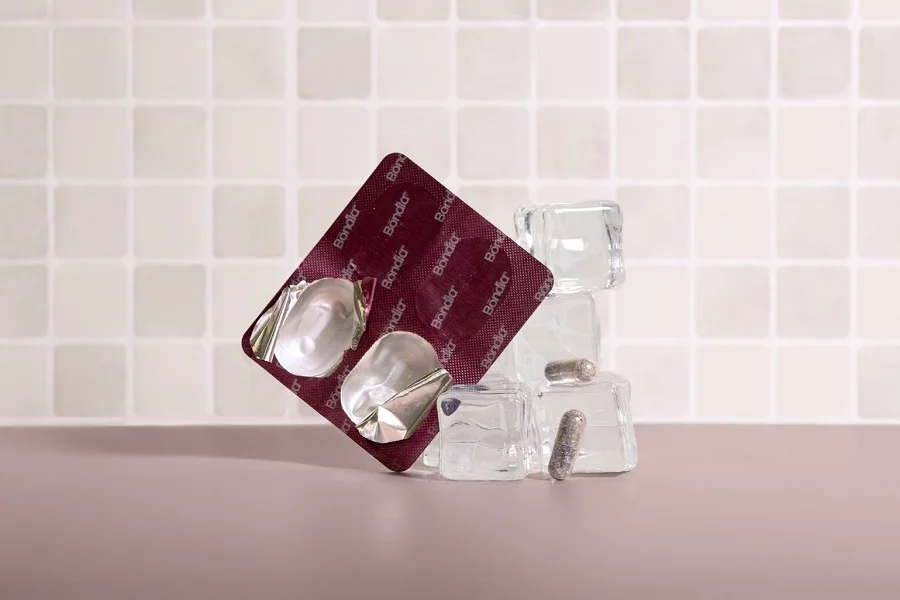 SBD111, marketed as Bōndia, is Sōlaria Biō’s plant-sourced synbiotic proven to improve bone density in women with osteopenia by 85%.The team evaluated the presence and viability of the strains in each synbiotic during and after administration.
Adult participants showed reliable strain detection across individuals (83–100%) with strains being most abundant in the first week of supplementation, followed by a natural washout after discontinuation. Notably, this occurred without disrupting overall gut microbiome diversity and function.
The study adds to Sōlaria Biō’s growing body of mechanistic and clinical research on Bōndia.
Scaling microbial strains
Sōlaria Biō states that it oversees a diverse bacterial and fungal strain catalog isolated from fresh fruits and vegetables, a database of their genomes, and a computational platform that uses AI to mine them to develop medical foods.
The company previously worked with DexaFit to make clinical-grade bone density testing more accessible to women nationwide. By expanding access to gold-standard DXA scans, Sōlaria Biō enables users to establish an early baseline and monitor changes over time, which it says are critical steps in proactive skeletal health.
In other coverage of the evolving osteobiotics space, Nutrition Insight recently connected with Kara Siedman, senior director of partnerships at Resbiotic, who shared insights on the company’s postbiotic ResO. The ingredient is designed to support immunity and joint mobility through the gut, while positioned alongside traditional glucosamine and collagen supplements.