



Raspberries with a meal boost cognition and reduce blood sugar spikes, study finds


Key takeaways
- Adding red raspberries to a meal significantly reduces blood sugar spikes and improves cognitive performance within hours, according to a new study.
- The berries’ polyphenols are linked to lower neuroinflammation, leading to better memory, fewer errors, and more efficient problem-solving.
- These metabolic and mental gains occur after just one meal, and freezing raspberries preserves their necessary nutrients for year-round benefits.

Adding red raspberries to a meal may help support both metabolic and brain health along the aging process, according to new dietary research. The study found that the addition regulated post-meal blood sugar spikes and boosted cognitive performance within hours.
Researchers attribute these effects to raspberries’ rich polyphenol content. These plant compounds are scientifically known to influence metabolic and inflammatory processes associated with brain health.
“As we age, maintaining healthy blood sugar and cognitive function becomes increasingly important,” says Dr. Britt Burton-Freeman, Ph.D., director of the Center for Nutrition Research, Illinois Institute of Technology, US.
“These results show that adding red raspberries into your daily diet may have some metabolic and cognitive benefits that are important to all of us as we age.”

“Immediate” post-meal effects
The randomized, single-blinded, controlled crossover study published in the British Journal of Nutrition involved 36 adults aged 55 to 70 who were overweight or obese.
Researchers studied whether adding 25 g of freeze-dried red raspberry powder to a high-carbohydrate, moderate-fat meal affected post-meal metabolic responses and cognitive performance.
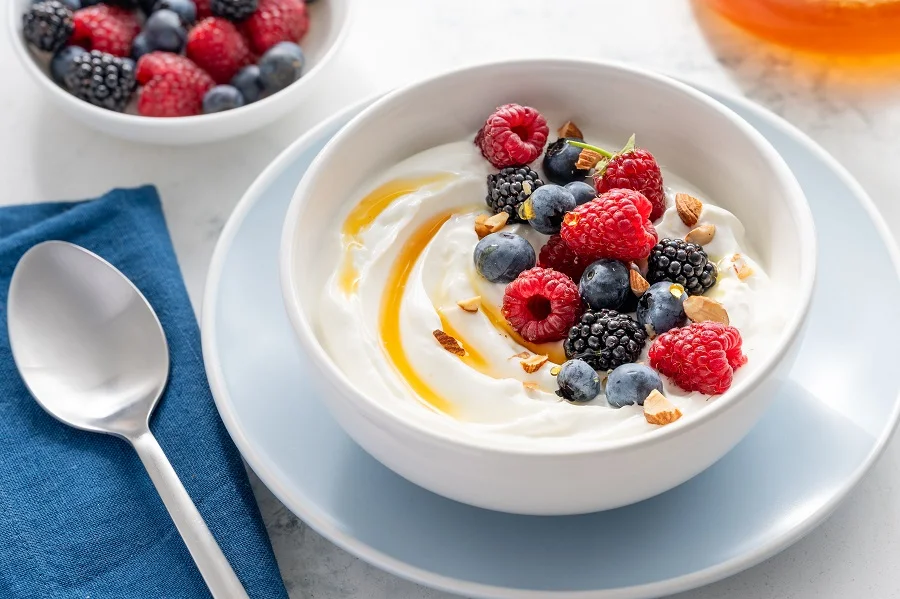 Participants performed better on a standardized battery of cognitive tests within hours of eating the raspberry meal.After eating the raspberry-containing meal, participants reduced peak glucose in the blood by 8% and overall insulin response than those given the control meal.
Blood samples collected after the meal also revealed lowered neuroinflammatory responses, suggesting raspberries’ protective effect on the brain.
Participants also performed better on a standardized battery of cognitive tests within hours of eating the raspberry meal. Researchers observed improvements in their learning and memory tasks, including fewer errors and more efficient problem-solving strategies.
Highlighting raspberries’ potential for immediate post-meal effects, these benefits were observed after just one meal with the raspberry powder.
Freezing preserves benefits
Freezing red raspberries at peak ripeness makes it convenient to enjoy these benefits year-round while preserving flavor and nutrients, the study authors highlight.
While longer-term studies are needed, they note that their findings add to growing research showing that daily dietary choices can support metabolic and brain health.
In other berry research, scientists highlighted strong evidence that wild blueberries improve cardiometabolic health, blood vessel function, and blood glucose. Similar to raspberries, their benefits are attributed to their high polyphenol content, which is boosted by environmental stressors, such as harsh winters.
Greenvit recently launched Aronvit, a standardized extract of aronia berries (Aronia melanocarpa) backed by heart health, metabolic, and antioxidant claims. The berry extract is already available in the European market, and the company highlights a “surge of interest” for the dark purple superfruit in North America.