




Chinese scientists delve into gut microbiome health impacts on psychiatric disorders


Key takeaways
- China’s BIGHI study is the first of its kind to map the biological axis between gut health and psychiatric disorders.
- Patients with mental health conditions show fewer beneficial gut bacteria and higher levels of pro-inflammatory microbes linked to symptom severity.
- Data suggests psychiatric disorders trigger systemic biological aging across the brain, blood, and gut rather than affecting the brain alone.
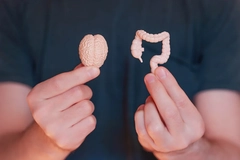
Chinese researchers are investigating how interactions between the brain and gut microbiome contribute to psychiatric disorders. Comprising scientists from the Guangzhou Medical University and the South China University of Technology, the team has initiated the Brain-Gut Health Initiative (BIGHI), an ongoing long-term clinical study to fill this knowledge gap.
Research in the initiative has revealed brain-gut physiological alterations in psychiatric disorders; systematic relationships among brain function, peripheral physiological markers, and gut microbiome; and brain-gut network patterns with marked interindividual heterogeneity.
Psychiatric disorders such as schizophrenia, depression, and bipolar disorder affect roughly one in seven people globally, highlight the scientists. The researchers stress that current diagnostic practices heavily rely on evaluating clinical symptoms rather than underlying causes.
This gap reveals the need for identifying reliable biomarkers that can guide clinical decision-making for improved treatment outcomes.
Preliminary findings
Early findings of the new study, published in Research, are based on electroencephalography (EEG), a painless diagnostic test that records the electrical activity of the brain using small electrode sensors attached to the scalp. These readings serve as non-invasive biomarkers indicating the severity of psychiatric disease and possible treatment response, according to the authors.
“We also observed distinct changes in gut bacteria within the cohort,” add the corresponding authors. “Patients with psychiatric disorders showed a decrease in beneficial short-chain fatty acid-producing bacteria and an increase in pro-inflammatory microbes.”
“Notably, these microbial shifts were linked to the severity of the symptoms, oxidative stress, and cognitive performance, highlighting the relevance of microbiome alterations in psychiatry.”
.webp) While psychiatric disorders pose a major and growing global health challenge, scientists underscore that their underlying biological mechanisms remain poorly understood.
While psychiatric disorders pose a major and growing global health challenge, scientists underscore that their underlying biological mechanisms remain poorly understood.
When the patients were grouped using combined brain and gut data, researchers observed that brain scans more closely reflected symptom severity, while gut-based profiles showed stronger links to cognitive performance.
Researchers found that differences in gut bacteria were linked to changes in brain functions. Additionally, their analysis combining neuroimaging, microbiome, and blood biomarkers revealed accelerated biological aging in patients with schizophrenia, supporting the growing view that psychiatric disorders can affect multiple body systems rather than only the brain.
Filling the knowledge gap
While psychiatric disorders pose a major and growing global health challenge, scientists underscore that their underlying biological mechanisms remain poorly understood.
“Currently, BIGHI includes more than 1,200 participants aged between 18 and 45, diagnosed with psychiatric disorders along with healthy controls,” note the study authors. “To the best of our knowledge, BIGHI is the first prospective cohort in China dedicated to investigating the microbiota-gut-brain axis in psychiatric disorders.”
“The participants undergo multiple assessments, including clinical evaluations, neurocognitive testing, resting-state EEG, structural and functional MRI, blood-based inflammatory and metabolic profiling, fecal genomic sequencing, and a detailed lifestyle and dietary survey, to systematically characterize cross-system biological architecture and identify mechanistic signatures underlying psychiatric disorders.”
Ambitious multi-omics study
While longitudinal follow-up is ongoing, the BIGHI researchers say their study represents one of the most comprehensive efforts to characterize psychiatric disorders using integrated multi-omics approaches.
The study underscores that psychiatric disorders are highly complex and heterogeneous conditions with distinct pathological features emerging across different systems, such as the gut microbiome, neuroimaging, EEG signals, and blood biomarkers.
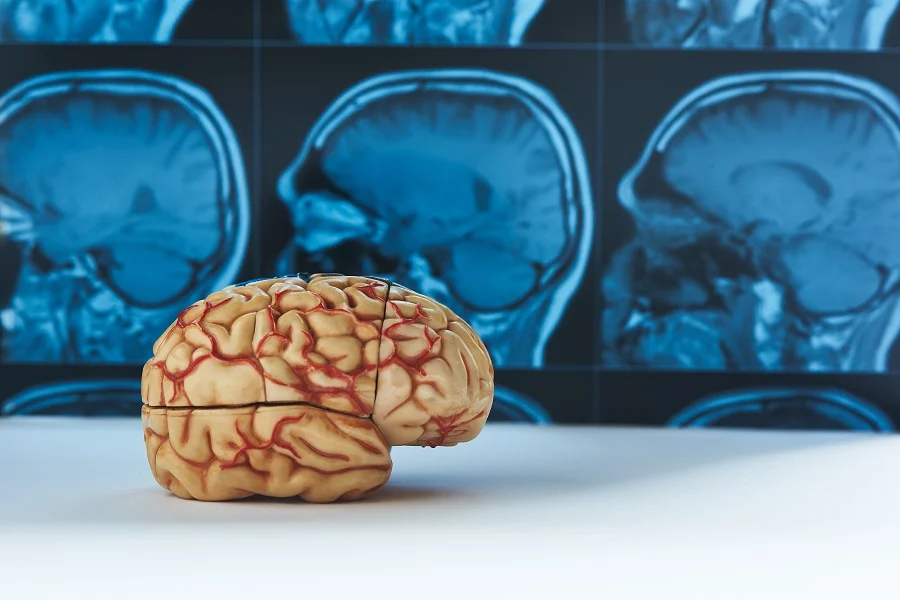 Expanding the BIGHI initiative may lead to developing more reliable diagnostic tools, microbiome-based therapies, neuromodulation strategies, and AI-driven strategies for managing psychiatric disorders.The scientists believe that expanding the BIGHI initiative could lead to developing more reliable diagnostic tools, microbiome-based therapies, neuromodulation strategies, and AI-driven strategies for managing psychiatric disorders.
However, they flag several limitations. One is that data is collected from only one research site, which restricts the generalizability of the results.
Additionally, low follow-up compliance among patients slowed the analysis of disease progression and a lack of genomic data currently prevents researchers from examining how genetics interact with environmental factors. Future expansion aims to address these gaps through multi-center collaboration and the integration of whole-genome sequencing.
“By providing compelling insights into the microbiota-gut-brain axis in psychiatric disorders, the initiative supports advances in biomarker-driven diagnosis and personalized treatment strategies — paving the way for a better mental health care,” conclude the authors.
In other scientific inquiries into this field, a recent review gathered current insights into the various ways gut bacteria directly influence sleep-wake cycles. Evidence indicates that gut microbiota dysbiosis (imbalance) both results from and contributes to sleep disturbances, which can create vicious cycles that perpetuate poor sleep and other health problems.