




Psilocybin therapy eases PTSD symptoms in US veteran pilot trial


Key takeaways
- A study including 12 US veterans with severe, treatment-resistant PTSD found that 75% no longer met the diagnostic criteria one month post baseline.
- The participants were treated with two synthetic psilocybin doses and extensive psychotherapy.
- The researchers note that larger and longer-term trials are needed to confirm efficacy and safety, but note that these findings are promising.
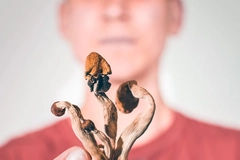
A pilot trial with 12 US veterans with post-traumatic stress disorder (PTSD) showed that psilocybin — the active ingredient in magic mushrooms — eased the symptoms for 75% of the participants after one month. Their remaining symptoms no longer met the criteria to be classified as PTSD.
All participants had treatment-resistant and severe PTSD, and the researchers note that the need for help became evident as more than 3,600 people reached out wanting to participate in the trial, whereas 668 were assessed for eligibility.
“For a population with severe treatment-resistant PTSD, these results are striking,” says first author of the study, Stacey Armstrong, senior researcher and associate director of the Center for Psychedelic Drug Research and Education (CPDRE) in The Ohio State University College of Social Work, US.
“While treatments do work for some veterans with PTSD, they’re falling short for many, leaving them to continue to search for solutions, which can lead to treatment dropout, long-term disability, and elevated suicide risk. It’s this unmet need that inspires us.”
Magic mushrooms
Published in Communications Medicine, the study trial was ongoing for 11 weeks and combined eight hours of psychotherapy, followed by two dosing sessions of 15 mg and 25 mg doses of synthetic psilocybin two or three weeks apart.
 After the drug treatment, the participants underwent six to eight hours of integrative therapy.The participants then underwent another six to eight hours of integrative therapy after the drug treatment.
One month after the treatment had started, nine of the participants reported a clinical response to treatment and were in remission. Suicidal ideation scores did not change from baseline to the end of treatment. Future studies will have a longer testing period of six months, note the researchers.
There were no serious side effects recorded from taking the psychedelic, but the authors detail mild headaches and brief anxiety as the most common side effects.
Drugs vs. therapy
The authors note that as a profound psychotherapy schedule is part of the process for this treatment plan, it is challenging to distinguish how much of the benefits come from psychotherapy or the drugs.
Evidence from the trial suggested that PTSD symptoms were lowered before the drug was administered.
“There is this big question in the psychedelic therapy field right now about how much of this is a drug effect, how much of this is a therapy effect, and how much is a combination of the two,” says senior author of the study, Alan Davis, director of the CPDRE and associate professor of social work at Ohio State.
The study found that the biggest drop in PTSD symptoms happened after the drug was administered.
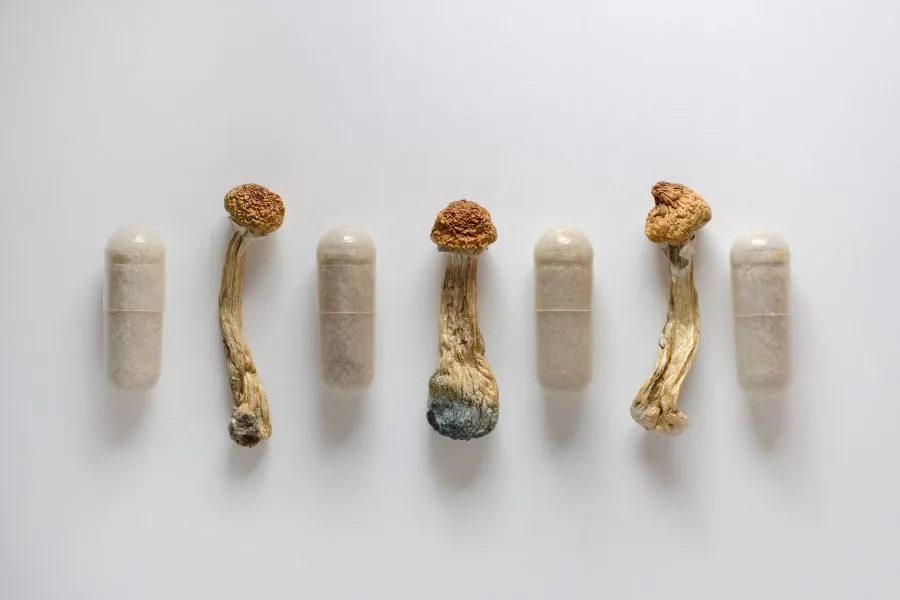 Previous studies on psilocybin have also demonstrated promising results for mental health.“This treatment is more than just a drug,” comments Davis. “The drug itself is a catalyst for the deep work that opens a window for people to perhaps access things they wouldn’t be able to access emotionally otherwise, and what that does is catalyze the therapeutic process after.
“That’s where the magic actually happens. It happens in the therapy, and in the changes that people start to make in their lives after the treatment’s concluded.”
The authors conclude that these findings suggest that psychedelics and psychotherapy combined could be a meaningful relief for veterans suffering from PTSD, who have not found help through standard treatments. However, they stress that future research is necessary.
Emerging science
Previous studies on psilocybin have also demonstrated promising results for mental health.
A clinical trial found that a single psilocybin dose of 25 mg brings sustained reductions in depression and anxiety in cancer patients.
Another exploratory study found lasting changes in the human brain from first-time use of psilocybin, including increased cognitive flexibility. These positive effects were higher for the participants who experienced higher psychological insights from the psychedelic dose, which the paper’s authors said may have the potential to treat depression symptoms.
Last year, US researchers called for better education, tracking, and health system preparedness in response to a substantial increase in poison center calls on psilocybin use, as significantly more US citizens are using the hallucinogenic chemical for mental health conditions.