




Plant-based whole food proteins blunt post-workout muscle synthesis, study finds

Key takeaways
- Research shows that a post-workout meal of rice and beans stimulates muscle-building synthesis no better than a nutrient-matched shake made of free amino acids.
- Co-ingesting a high carbohydrate load of over 100 g slows gastric emptying and limits the availability of amino acids in the blood required for muscle recovery.
- Both plant-based options stimulated significantly lower muscle-protein synthesis compared to eating an equivalent 20 g of protein from lean pork.
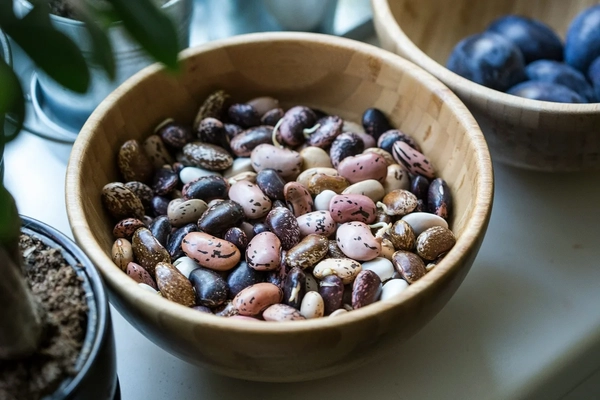
According to clinical findings, consuming a plant-based, whole-food protein meal or nutritionally identical plant protein shake immediately after weight training stimulate similar muscle-building responses. However, both yielded significantly lower muscle-protein synthesis than a post-workout meal of 20 g of lean pork.
Participants in the randomized controlled trial consumed either rice and beans or a protein shake containing crystallized amino acids, maltodextrin, cellulose, pectin, and soy oil. Each contained exactly 20 g of protein.
The researchers suggest the meals’ carbohydrate content may slowed the absorption of amino acids into the blood, thus lowering muscle protein synthesis.
Nutrition Insight speaks with study co-author Nicholas Burd, a health and kinesiology professor at the University of Illinois, US, about how the findings might direct future nutritional product formulation strategies.

While many plant-based recovery products emphasize “complete proteins” by combining ingredients such as rice and peas, he reflects on whether protein quality alone is enough when brands formulate new products.
“In short, your muscles don’t care about a product label. Muscle protein synthesis is responsive to a balanced delivery of amino acids into the blood,” he suggests.
“Even if you have a perfectly complete plant protein, if the overall formulation prevents an elevation in dietary amino acids, whether due to carbohydrate load, high fiber, or the physical matrix itself, muscle protein synthesis will remain unresponsive.”
Comparing leg workout gains
The study published in the American Journal of Clinical Nutrition comprised a predominantly male cohort of 11 healthy adult participants in their 20s, each of whom engaged in leg-press and leg-extension exercises followed by a meal and five hours of muscle-building monitoring.
Each participant completed the protocol twice: once with the whole-food meal of rice and beans and once with the nutrient-matched protein shake that was specifically formulated with the same protein, fiber, fat, and carbohydrate content as the rice and beans.
These sessions were spaced apart by one week. “We wanted to look at the acute response in terms of how the muscle is recovering or building itself after exercise,” says Burd.
“Our major goal was to look at a whole-food approach to see if it made any difference to the response when compared with a highly processed food formulated entirely from free, isolated nutrients in the form of a shake.”
The scientists collected regular blood samples and leg muscle biopsies before the exercise and meal, and over a five-hour post-exercise recovery period. Participants also received a continuous infusion of a chemically tagged amino acid — a tracer that the team used to measure the rate of leg muscle protein synthesis in real time.
Researchers also measured anabolic cell signaling (Akt-mTOR) pathways, which increased after exercise in both plant protein groups, despite a lack of difference in muscle-building rates between them.
Muscle-building effects
According to the paper, the rice and beans meal and the isolated nutrient alternative yielded significantly lower amino acid levels in the blood for several hours after the meal. Meanwhile, the isolated nutrient alternative caused only a brief spike in blood amino acids that quickly dropped below baseline.
Moreover, both diets had much weaker muscle-building effects than in previous studies where participants ate a post-workout meal consisting of 20 g of protein from lean pork. The researchers say this diminished muscle-building response was likely due to the 114 g of carbohydrates people consumed with the 20 g of protein in each case.
“Essentially, there are critical trade-offs between speed of amino acid release and nutrient density. Whole foods are essential for overall health and prolong the release of dietary amino acids into circulation to support prolonged recovery,” Burd explains.
“But when using a whole-food source to obtain 20 g of protein, its dietary fiber and high carbohydrate load (more than 100 g) slow gastric emptying and delay the plasma amino acid rise. This means protein isolates and free amino acids support a more robust muscle protein synthesis response immediately after exercise.”
Fiber matrix binds proteins
Burd highlights that when consuming plant-based whole foods, the proteins are bound in a fiber matrix. The researchers initially wanted to test whether that matrix was helping improve the muscle-building boost that comes from eating after a workout, but their results suggest that it did not.
“Complementary protein pairing is an effective strategy for improving protein quality,” Burd underscores. “But to achieve 20 g of high-quality plant protein from whole foods, you must co-ingest a large amount of carbohydrates, which is probably slowing down gastric emptying.”
“This means that if you’re a vegan athlete, you’re likely going to have to use an optimized protein source, such as a mixed plant-based isolate, so you can get high-quality protein while avoiding all those carbohydrates.”
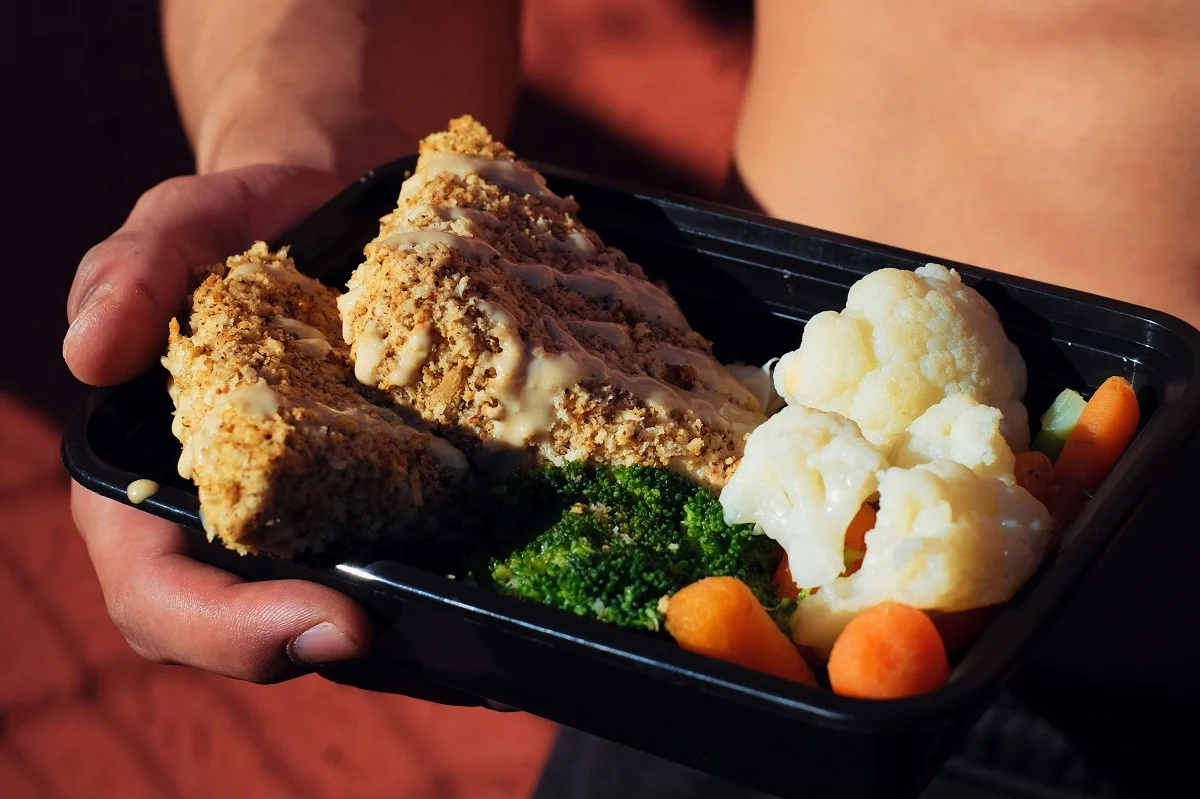 The study results suggest that omnivores limit their consumption of carbohydrates with their immediate post-workout meal.The study results also suggest that omnivores may want to limit the consumption of carbohydrates with their immediate post-workout meal, Burd notes.
“While consuming 50–60 g of carbohydrates is often important for glycogen replenishment, it seems that exceeding that amount so significantly may limit blood amino acid availability for post-exercise muscle repair, a phenomenon that would likely impact animal-based meals as well,” he says.
“In general, animal foods offer far more amino acid ‘bang for your buck’ because they deliver high-quality protein with much lower total energy consumption.”
When advising how brands may optimize the protein-to-carbohydrate ratio in post-workout products, Burd recommends 20–30 g protein to 30–60 g carbohydrates. “Recommended protein intake will be consistent, but the carbohydrate range will modulate based on the intensity or volume of the weightlifting bout.”
Future hybrid formulas
Burd anticipates that further research is needed to develop plant-based recovery products that can better match the anabolic response of animal protein.
“This includes future research into how to offer consumers a more rapid, potent anabolic trigger to ‘turn on’ muscle protein synthesis during the immediate post-exercise period,” he highlights.
“As noted, examples of this include specifically formulated plant-based protein blends and hybrid formulas — standard plant-based isolates that are strategically blended with free-form essential amino acids. Food-first approaches will be effective outside the immediate post-exercise window.”
Earlier this year, the US Department of Health and Human Services released its 2025–2030 Dietary Guidelines for Americans, explicitly encouraging greater protein intake. It currently ranks meat and dairy high on the food pyramid, leaving open questions about the role of plant protein, the quality-versus-quantity debate, and the industry influence underlying the guidelines.