


PhytoGaia targets cellular resilience as skin care from within moves to holistic health


Key takeaways
- PhytoGaia says skin care from within is shifting from beauty enhancement to holistic health, with consumers targeting oxidative stress and cellular resilience.
- Demand is moving toward evidence-backed, multifunctional actives such as tocotrienols and squalene, which support antioxidant protection and skin barrier function.
- Generational preferences are shaping formats and messaging, from Gen Z’s interest in gummies and drinks to older consumers’ focus on trusted capsules.
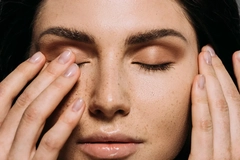
The skin care from within industry is shifting from a cosmetic focus to health as a priority, as consumers increasingly seek solutions targeting cellular health rather than topical products for beauty purposes alone.
Nutrition Insight sits down with Dr. Ariati Aris, scientific affairs specialist at PhytoGaia, to learn more about this evolution into longevity and holistic health.
Aris argues that one of the most significant trends shaping the skin care from within market today is the shift from beauty enhancement to skin longevity.
“Consumers are increasingly looking beyond quick fixes and cosmetic improvements, seeking solutions that support the biological processes underlying skin health and aging.”
“Rather than focusing solely on visible concerns such as wrinkles or loss of radiance, there is growing interest in addressing key drivers of skin aging, including oxidative stress, chronic low-grade inflammation, and declining skin resilience,” she says.
Going to the root cause
Aris argues that the move to a more holistic focus on the drivers of aging reflects a broader understanding that healthy-looking skin is not merely a cosmetic outcome, but a “reflection of overall cellular health.”
Meanwhile, consumers are becoming more informed and selective, she says. “They are actively seeking ingredients backed by scientific evidence and are increasingly interested in understanding how these ingredients work within the body.”
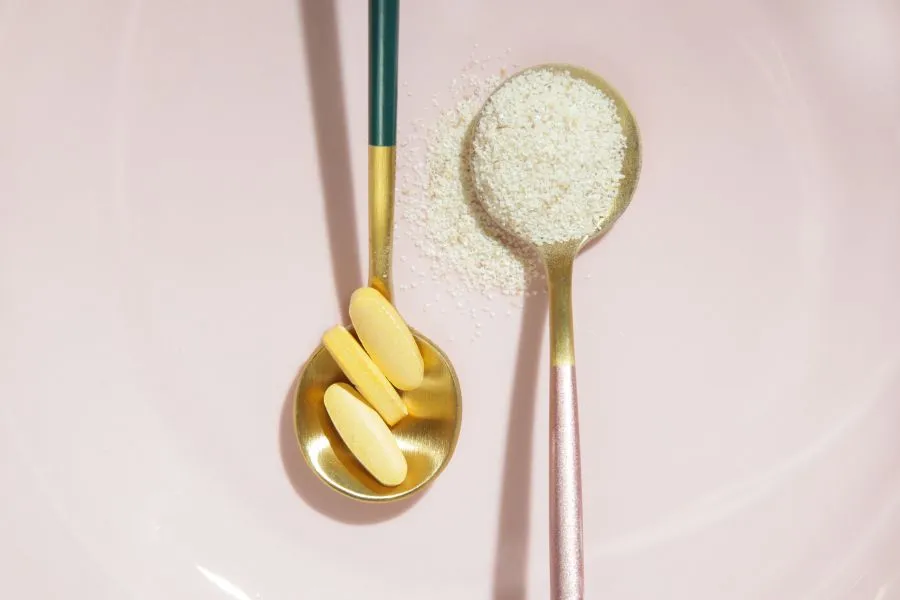 Skin care from within is evolving beyond beauty alone, as it is becoming part of a broader healthy aging strategy, says Aris.This results in the market moving away from single-benefit products toward multifunctional solutions that support multiple pathways involved in skin aging. This trend is also driven by the convergence of beauty, wellness, and healthy aging.
“Consumers increasingly recognize that skin health is closely linked to overall health, creating demand for ingredients that support both skin vitality and long-term well-being,” says Aris.
“In this context, antioxidant and lipid-supporting ingredients are gaining attraction. Tocotrienols, for example, have been widely studied for their ability to help protect cells against oxidative stress, while squalene is a natural component of the skin’s barrier. Together, they align with the growing demand for science-based solutions that support skin resilience from within.”
She further argues that skin care from within is evolving beyond beauty alone, as it is becoming part of a broader healthy aging strategy, where maintaining skin vitality is increasingly linked to supporting long-term cellular health and resilience.
Antioxidants gaining traction
Collagen, hyaluronic acid, ceramides, and omega fatty acids are continuously being sought out by consumers due to their well-recognized roles in supporting hydration, skin elasticity, and barrier function.
“However, there is a clear shift toward ingredients that address the underlying biological drivers of skin aging rather than only its visible signs,” says Aris.
As a result, antioxidants are gaining increasing attention as consumers become more aware of the role oxidative stress plays in skin aging. “This has driven interest in ingredients such as tocotrienols, a potent form of vitamin E, which has been extensively studied for its antioxidant and anti-inflammatory properties as well as its role in supporting cellular resilience.”
Another ingredient gaining traction is squalene due to its natural presence in the skin’s lipid barrier, maintaining skin integrity and overall resilience, she explains.
“Consumers are increasingly looking for ingredients that not only enhance appearance but also help preserve skin health from within. The market is shifting from single-benefit ingredients toward multifunctional solutions that simultaneously support hydration, antioxidant protection, barrier function, and healthy aging.”
Aris says this trend is creating growing interest in scientifically substantiated ingredient combinations and exemplifies STGaia, which combines tocotrienols and squalene to support skin resilience and healthy aging.
Generational preferences
Aris says there are clear generational differences in how skin care from within products are perceived and adopted, particularly in terms of expectations, format, and speed of results.
“Younger consumers, particularly Gen Z, tend to approach beauty from a preventive and lifestyle-driven perspective. They are highly receptive to new formats such as gummies, powders, and functional drinks, and are strongly influenced by social media narratives. For this group, visible improvement often takes priority, and product discovery is largely driven by digital content.”
In contrast, Millennials represent a more science-conscious segment, she argues. “They are typically more focused on early aging prevention, stress-related skin changes, and long-term skin quality. This generation shows a preference for evidence-backed formulations and is more likely to engage with ingredients that have a clear biological rationale.”
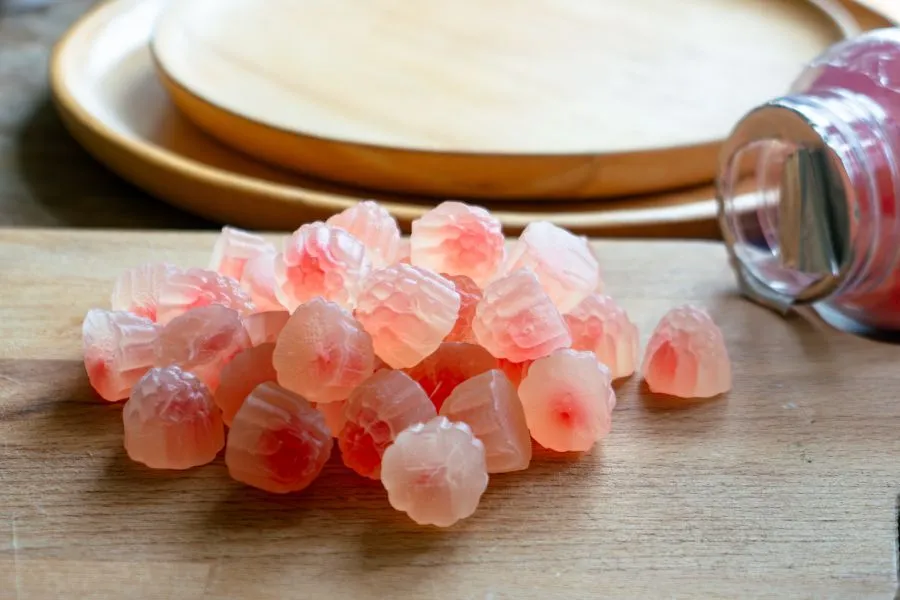 Aris says Gen Z tends to approach beauty from a preventive and lifestyle-driven perspective, and is highly receptive to new formats such as gummies.“Older consumers, including Gen X and above, remain more outcome-driven and stability-focused.” She continues saying their priorities are skin firmness, hydration, and maintaining skin integrity over time. “They tend to favor established formats such as capsules and softgels and place greater emphasis on trust, safety, and proven efficacy rather than trend-driven innovation.”
Social media is also playing a role in shaping demand for skin care from within, as there are frequent fluctuations driven by influencer trends and rapid content cycles.
“Platforms such as TikTok and Instagram can quickly elevate certain ingredients into ‘hero status,’ often based on visible rather than scientific depth. These trends tend to be short-lived, with interest shifting as new ingredients gain attention,” argues Aris.
In contrast, she says ingredients with strong biological rationale and clinical support tend to demonstrate more sustained relevance, even if they are less driven by viral momentum.
“Over time, consumers are becoming more discerning, increasingly questioning not only what an ingredient does, but how it works and whether it is supported by evidence. This is where more science-led actives tend to differentiate themselves.”
Formulating beauty supplements
Formulating skin care from within products requires a shift in mindset from “adding beneficial ingredients” to designing interventions that meaningfully interact with human biology over time, says Aris.
She argues that bioavailability is the most fundamental requirement. Without sufficient bioavailability, even scientifically strong actives will not translate into meaningful skin benefits.
Another important aspect is delivery formats, adds Aris. How an ingredient is delivered (capsule, softgel, powder, drink, or functional food formats) directly affects absorption, compliance, and overall efficacy. “The right delivery system can significantly enhance how well active compounds perform in real-world use.”
She also urges scientific synergy: “Modern formulations are moving away from single-ingredient approaches toward combinations that work through complementary mechanisms. Ingredients that target different but interconnected pathways tend to deliver more holistic skin benefits.”
“Additionally, actives must remain stable throughout the product’s shelf life to ensure consistent efficacy. This is particularly important for sensitive compounds such as antioxidants, which can degrade if not properly protected.”
Lastly, she urges ensuring regulatory compliance and safety, since these products are consumed daily over long periods, safety and regulatory alignment are non-negotiable. “Ingredients must meet established safety standards and be suitable for sustained use in healthy populations.”