


Sustainable Foods Summit 2026: Shaping resilient food systems for enhanced nutrition


Key takeaways
- Sustainable agriculture builds resilient food systems against climate shocks with higher nutrient density in organic crops.
- Although regenerative farming is a new area, one study shows it led to more antioxidants and higher vitamins/minerals than conventional methods.
- Functional ingredients fortify plant-based proteins while the Sustainable Foods Summit tackles AI, biodiversity metrics, and regenerative agriculture science.

Sustainable nutrition is increasingly under pressure as consumers demand more environmentally friendly health solutions, with the UN 2030 Agenda for Sustainable Development deadline looming, with less than four years remaining.
Ahead of the Sustainable Foods Summit 2026 (18–19 June), Nutrition Insight meets with Amarjit Sahota, founder of Ecovia Intelligence, the organizer of the event to be held in Amsterdam, the Netherlands.
Giving us a sneak peek, Sahota discusses how sustainable food systems deliver better nutrition amid climate shocks and supply chain disruptions, alongside plant-based protein solutions. He also explores how nutrition science has an opportunity to bridge the gap between regenerative agriculture claims and verified health benefits.
Resilient food systems
Sahota believes that sustainable agriculture can deliver better nutrition outcomes amid climate shocks and supply chain disruptions, as there is growing evidence that it helps build resilience into food production systems. He especially notes the role of regenerative agriculture.
“This resilience helps reduce climate shocks by strengthening soil health, improving water retention, and increasing biodiversity. In terms of nutrition, there is limited research that shows crops from regenerative or sustainable agriculture have higher nutrient density.”
“However, anecdotal research shows that crops grown according to sustainable (organic) production methods have higher levels of antioxidants and minerals. In terms of meat and dairy products, organic products have higher levels of omega fatty acids than conventional meat and dairy products.”
 The Sustainable Foods Summit bridges regenerative agriculture and nutrition science.Regenerative and sustainable agriculture science
Sahota points out that science is essential in demonstrating that crops produced using regenerative and sustainable agriculture have better nutrient quality than those produced using conventional agriculture.
“Scientific studies have already shown that organic foods can have higher nutrient density than conventional foods. For example, a British Journal of Nutrition paper in 2016 showed that organic meat and dairy products have about 50% higher levels of omega-3 fatty acids than conventional meat and dairy products. The difference is because organic livestock consume higher levels of grass and clover.”
“An earlier 2014 British Journal of Nutrition paper found that organic crops have up to 69% higher levels of antioxidants, including phenolic acids, flavanones, and anthocyanins. Other studies show that organic products have higher levels of nutrients, such as iron, magnesium, and vitamin C,” he details.
Since regenerative agriculture is a relatively new area, Sahota explains that there is very little scientific research on the nutrient content in crops grown according to regenerative agriculture.
“One 2022 study at the University of Washington showed that crops from regenerative agriculture have 15–20% higher levels of antioxidants (carotenoids, phenolics, and phytosterols), 30% higher levels of vitamins (K, C, E, and B1), and minerals (calcium, phosphorus, and zinc).”
In related news, we also explored how agroecology and food sovereignty promote diverse local crops over Green Revolution monocultures to boost nutrition and climate resilience in Africa.
Key role of functional ingredients
According to Sahota, functional ingredients are key to making plant-based and organic foods mainstream for health.
“Functional ingredients play an important role in the sustainable food industry by fortifying food and drinks. They are already established in plant-based products; e.g., dairy alternatives have been fortified with calcium for decades.”
“Some plant-based drinks also have added live cultures, such as probiotics. Meat alternatives also often have functional ingredients, e.g., beetroot juice and apple extract, to provide natural coloring, as well as vitamins and minerals like vitamin B12 and iron.”
He notes that stringent regulations control what kinds of functional ingredients are allowed in organic foods. Generally, synthetic ingredients are not permitted, while natural-based ingredients, such as natural gums, thickeners, and emulsifiers, are allowed.
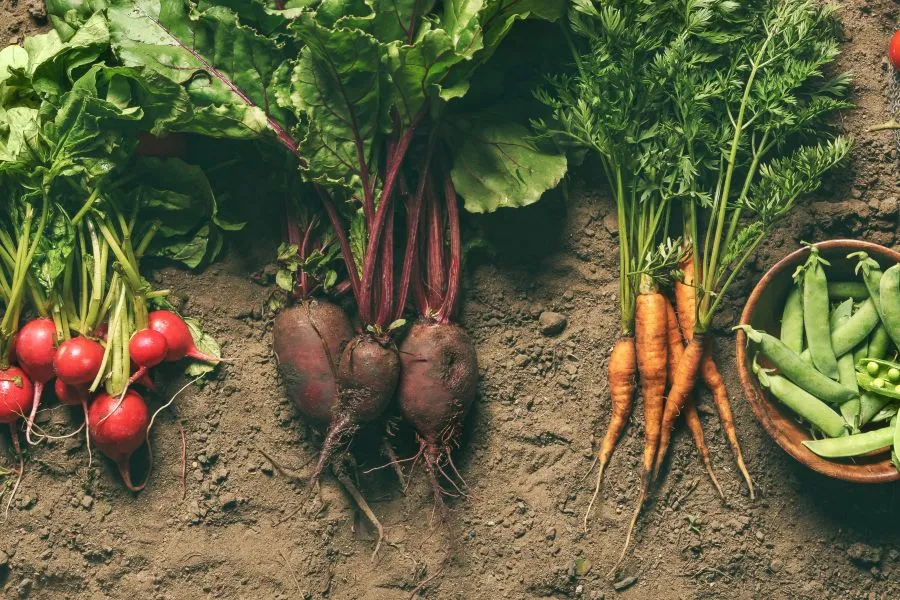 Organic crops deliver 69% more antioxidants and 50% higher omega-3s.Summit preview
At the summit, visitors can learn how sustainability issues are evolving in the food industry while exploring how players are tackling their sustainability impacts. The audience will also get insights into AI’s influence on the production and marketing of sustainable foods, how foods are rated on their environmental footprint, and the complexity of addressing economic impacts.
Moreover, the event will explore regenerative agriculture for biodiversity benefits, precision fermentation for sustainable ingredients, and approaches to measuring biodiversity impacts.
The summit will also debate the role of food tech and share consumer behavior data on sustainability and biodiversity while teaching how to overcome marketing challenges when launching sustainable products.
The Sustainable Foods Summit will end with an award ceremony for the winners across the categories of New Sustainable Product, Sustainable Ingredient, Sustainable Packaging, Sustainability Pioneer, and Sustainability Start-up.