



Natix warns fake bromelain passes protease-based identity tests, as new methods near

Key takeaways
- Current USP methodology identifies bromelain by proteolytic activity, so any protease passes the test — new identity methods are expected late this year or early next.
- Rising demand for bromelain against limited supply has drawn adulterated products into the market, posing a safety and a credibility risk.
- Enzyme demand is broadening beyond digestive health into anti-inflammatory applications as chemical alternatives face scrutiny, and into beauty-from-within.
Nutraceutical and pharmaceutical brands are increasingly seeking out enzymes for various applications due to their scientific efficacy, clean label, and traceable natural origins, Stefaan Vandaele, CEO of Natix, tells Nutrition Insight.
He especially draws attention to bromelain’s growing popularity, which is threatened by a limited supply, giving rise to fake bromelains due to the limitations of verification tests today. However, new tests are being developed and are coming soon.
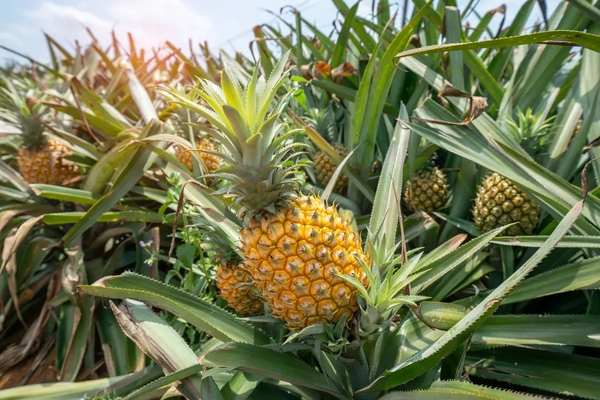
Bromelain is a group of protein-digesting enzymes that are typically extracted from the stem and fruit of pineapple plants. Vandaele says that Natix extracts its bromelain from pineapple stems, a harvest side stream. The company’s enzymes have a “high pharmaceutical grade” and are used in various applications.

He explains that bromelain has strong anti-inflammatory benefits. It is also a protease, but there are many kinds of proteases, notes Vandaele. To him, bromelain is “one of the most beautiful and promising” enzymes that exist today.
Reflecting on the evidence on digestive enzymes, Vandaele thinks that the functionality of the enzyme or bioactivity is key for nutraceuticals. “We see a lot of claims in this sector that are not always science-backed, making it important to have the relevant science.”
“There is, on one side, the functionality of the enzyme and the research to show that bromelain works within digestive health and anti-inflammation. But besides that, in the nutraceutical world, it’s very important to be sure that you have the right bioactive. For example, specifically for bromelain, there’s a lot of fake bromelain in the market.”
“We see in the nutraceutical business that there is a lot of bromelain, or products being sold as bromelain. And when you measure enzymatic activity, what is measured is actually protease activity — but this is not bromelain. New tests have to be developed and are being developed to have very specific assurance about the functionality and the product itself.”
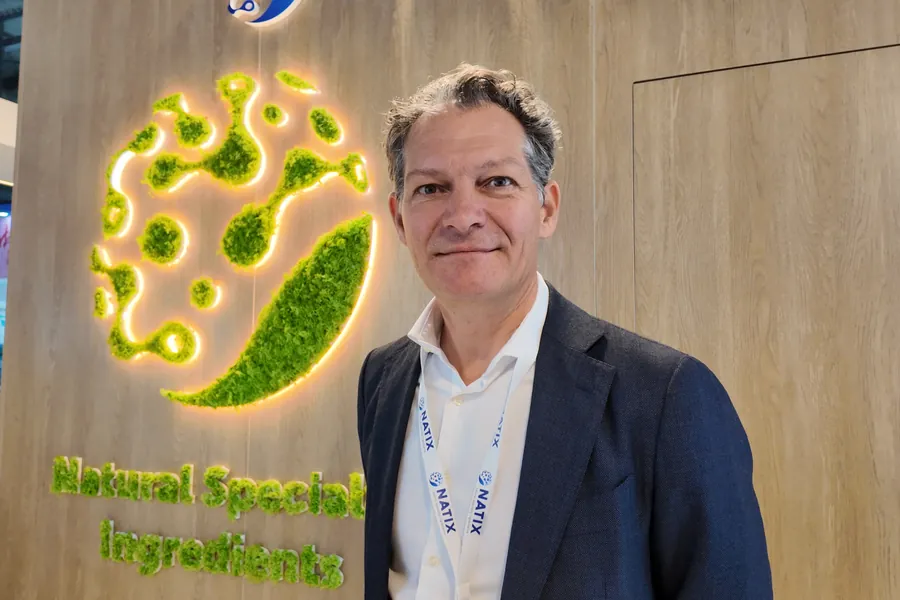 Stefaan Vandaele, CEO of Natix says that bromelain works within digestive health and anti-inflammation.He clarifies that there is a science-based application but also a need to assure brands they have the right bioactive.
“Fake” bromelains rising
According to Vandaele, current tests are insufficient in distinguishing real bromelain from fake ones. He says real bromelain enzymes are increasingly sought after for their functionality and appeal.
He notes that there are very wide applications for bromelain in healing and anti-inflammation. “There is a lot of demand for bromelain, and the supply is limited, so then you always have people who try to step in to say there’s maybe some easy money to make.”
“Today, even the US Pharmacopeia (USP) is using proteolytic activity to identify the bromelain activity,” says Vandaele.
Distinguishing real from fake bromelain is an important challenge for the industry and authorities, he adds. “But at the end of this year or the beginning of next year, there will be new tests identifying what is real bromelain and what is not real bromelain.”
Safety and commercial risks
According to Vandaele, fake bromelain may pose a safety issue. For example, if formulators want a certain bioactive for functional applications and end up using another product that is not bromelain, it is unclear what the impact could be.
“You don’t know what is going into the nutraceutical product. That is a safety issue. That is also why the authorities are concerned, and the food safety authorities worldwide are concerned about this topic.”
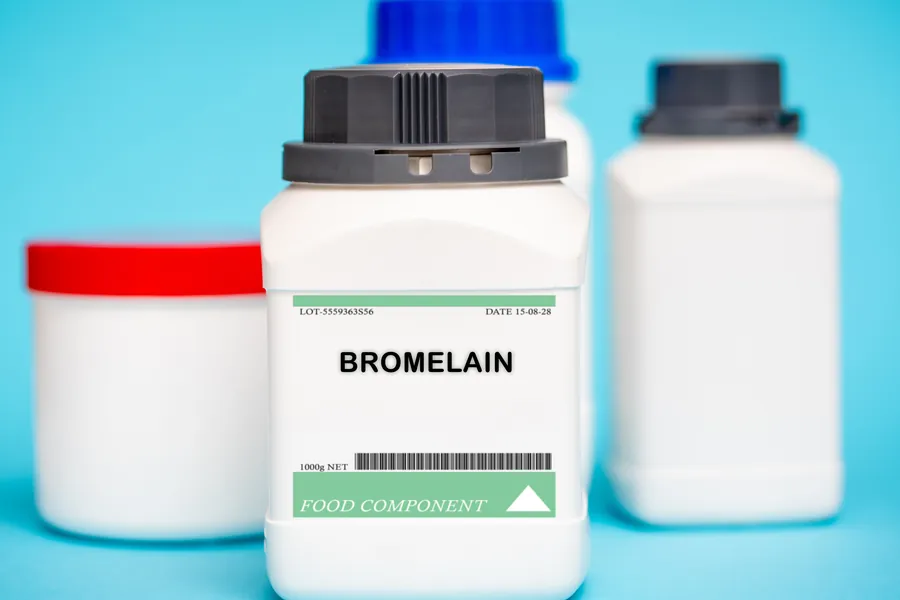 Vandaele says that current tests measuring proteolytic activity are insufficient in distinguishing real bromelain from fake ones.“Besides that, there is also a commercial risk,” Vandaele warns. “If customers use that nutraceutical product because of its functionality, and it does not actually have it, people might be disappointed. They might not buy the product again, and that is not good just for the product, but for the bromelain market as a whole.”
Natix’s enzymes and applications
Natix is headquartered in Belgium, where pineapples do not grow, so it produces its bromelain in Indonesia, says Vandaele.
“We make papain [papaya] in India, Belgium, and the Democratic Republic of Congo. From porcine pancreas, we make pancreatin in a factory in Italy and trypsin in China, where we are also developing a new product, pancrelipase. So, our customers and we are worldwide.”
He adds that Natix’s enzymes are used in nutraceutical, health, pharma, and food applications. The company specializes in natural bioactives derived from plant and animal sources, making them fully traceable.
“We see positive developments within the nutraceutical environment clearly,” Vandaele points out. “The regulatory pathway for pharma is different, which is why there is growth in nutraceuticals.”
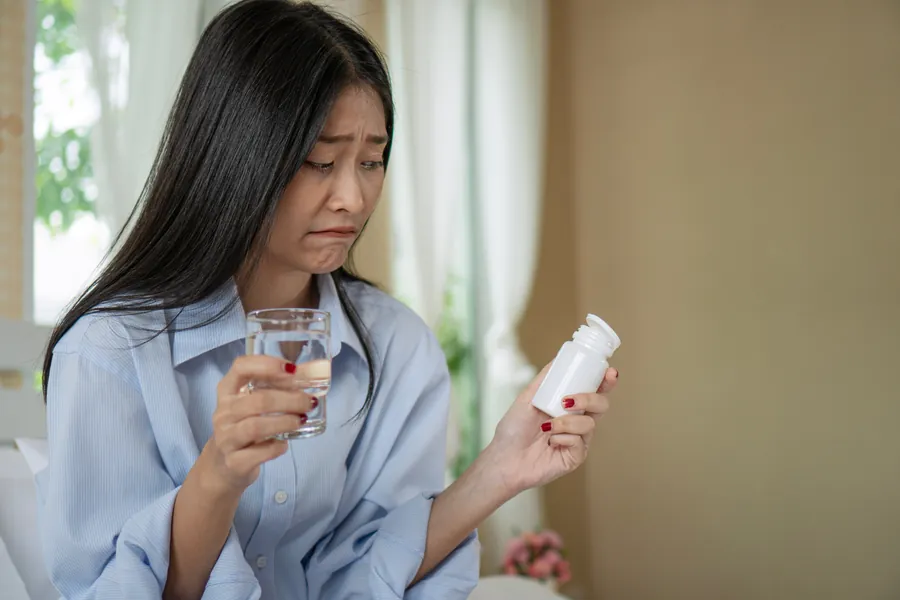 Fake bromelain may pose a safety issue and a commercial risk, points out Vandaele.
Health applications and regional popularity
Enzyme popularity in nutraceuticals is driven by digestive health, where there is an important demand, notes Vandaele.
“I also mentioned anti-inflammatory. We see that the traditional anti-inflammatory products are mostly chemicals. Anti-inflammatory Nurofen and diclofenac medications, for instance, are being scrutinized. We see potential developments, for example, for bromelain in that application.”
“Beauty-from-within for skin health is coming up,” adds Vandaele. “So, we have the traditional cosmetic or topical applications, but beauty from the inside is a market that is in full development.”
He notes worldwide trends in enzymes, with some regions seeing faster development. Ultimately, consumers and formulators are interested in the scientific background of a bioactive.
“We see different trends within the US environment compared to Europe or Asia. We also provide snail extract, for example, which is trendier in Asia,” concludes Vandaele.