




Global South key to next-gen microbiome-mental health discoveries, research argues

Key takeaways
- A publication argues that a lack of global South data is limiting microbiome-gut-brain mental health discoveries.
- Researchers say diverse diets, environments, and lifestyles offer “natural experiments” that industrialized-nation studies cannot replicate.
- The authors call for equitable funding, data sharing, and research leadership for low- and middle-income countries.

A peer-reviewed perspective article argues that a lack of diversity in study populations is limiting the scientific discovery of new biological pathways influencing mental health.
International researchers call for more studies that include underrepresented regions in the global South to better understand microbiome-gut-brain interactions from a global perspective and deepen scientific understanding.
After studying the link between gut microbiome and brain health over two decades, the researchers uncovered a need for accounting for more unique environments since they have major impacts on gut microbiome pathways. They urge studying more populations in Latin America, Africa, and Asia.
Argument from science
The Nature Mental Health publication stresses that the biggest hindrance to microbiome and mental health research is not a lack of technology or data but lack of diverse cohorts. It flags that the field has become saturated with studies from wealthy, industrialized nations, which is limiting scientific discovery.

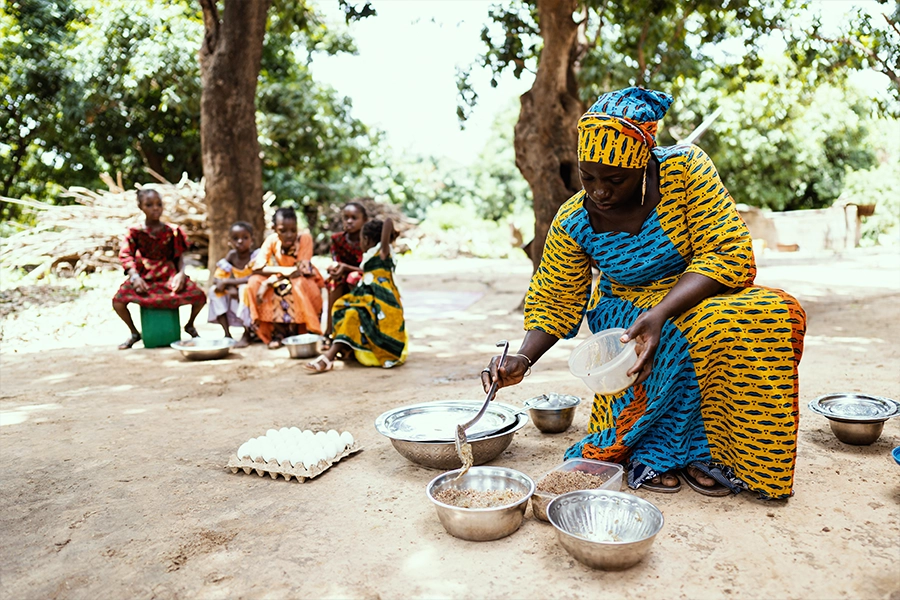 The microbiome is shaped by diet, environmental exposures, urbanization, pollution, socioeconomic conditions, and cultural practices.“We often think about diversity in research as an ethical issue. Our argument is that it is also a scientific necessity. If we only study one part of the world, we risk misunderstanding how the microbiome shapes brain health,” comments research co-lead Chilean bioinformatician Dr. Benjamin Valderrama at APC Microbiome Ireland in University College Cork.
“Many of the world’s most informative microbiome studies have yet to be done. By studying populations experiencing different diets, environments, and lifestyles, we may answer questions about the microbiome-gut-brain axis that simply cannot be answered in highly industrialized settings alone.”
Why diversity can lead to discoveries
The microbiome-gut-brain axis reveals that microorganisms are constantly communicating through immune, neural, endocrine, and metabolic pathways.
Researchers note that this field is one of the most exciting for biomedical science, having implications for depression, anxiety, neurodevelopmental conditions, neurodegenerative disease, and healthy aging.
However, the team points out that since the microbiome is shaped by diet, environmental exposures, urbanization, pollution, socioeconomic conditions, and cultural practices, discoveries made in one part of the world might not translate universally.
“The remarkable progress we’ve made has largely come from studies in industrialized societies. The next breakthroughs will come from complementing that work with equally rigorous research across much more diverse populations,” says neuroscientist professor John Cryan at APC Microbiome Ireland.
The study highlights that regional differences might be the key to understanding why mental health varies across populations plus identifying new biological pathways.
Challenging beliefs about innovation
The global South can offer new insights as its environments are marked by rapid urbanization, changing food systems, environmental transitions, and socioeconomic factors, say the researchers.
These aspects can enable opportunities for “natural experiments” that cannot be replicated in laboratories, their study suggests. Such factors can help scientists unravel the interactions between microbes, diet, environment, and the brain, which would be impossible to do when research is confined to wealthy countries.
Furthermore, the publication contests assumptions about where innovation originates. African, Asian, and Latin American traditional diets are high in fiber, fermented foods, and minimally processed ingredients, which can offer clues on protecting brain health.
The researchers also argue that instead of viewing lower-income countries as only places where health issues occur, they should be recognized as sources of scientific insight, which can shape the future of microbiome-based therapies and public health strategies.
Equitable partnerships and funding
The researchers urge more investment in research infrastructure and leadership opportunities for researchers in low- and middle-income countries. They also advocate for equitable data sharing and long-term collaborations that benefit international partners.
Hoping their publication will encourage action for equitable international partnerships, the team stresses that the goal is to build a strong foundation for next-generation microbiome discoveries.
“The microbiome-gut-brain axis has fundamentally changed how we think about mental health over the past twenty years,” Cryan points out.
“The next twenty years will depend on thinking globally. The greatest discoveries may come not from studying more of the same populations but from embracing the remarkable diversity of people, environments, and cultures that shape the human microbiome.”
In other research projects around diet diversity, global scientists launched the World Diet Initiative to document and study “heritage” diets from various communities before they disappear. The team will examine traditional diets among Maasai, Ethiopian, and Indian communities that have historically correlated with lower rates of chronic illnesses.