


Single iron infusion boosts exercise capacity in iron-deficient heart failure patients

Key takeaways
- A trial finds that a single IV dose of ferric derisomaltose improved peak oxygen uptake by about 9% in HFpEF patients with iron deficiency, though patient-reported health scores did not differ from placebo.
- The researchers used IV iron because oral iron has not proven effective in other forms of heart failure.
- Larger, longer studies in more diverse populations are needed to determine whether these physical improvements translate into better long-term clinical outcomes.
A trial finds that a single IV dose of ferric derisomaltose improved peak oxygen uptake by about 9% in HFpEF patients with iron deficiency, though patient-reported health scores did not differ from placebo.
The researchers used IV iron because oral iron has not proven effective in other forms of heart failure.
Larger, longer studies in more diverse populations are needed to determine whether these physical improvements translate into better long-term clinical outcomes.
A new trial finds that a single iron infusion improved exercise capacity in people with heart failure characterized by preserved ejection fraction (HFpEF) and iron deficiency. Iron deficiency affects more than 50% of patients with HFpEF, and current drugs do little to improve their exercise capacity, note the study authors.

The results from the Mass General Brigham Heart and Vascular Institute, US, suggest that replenishing iron can help address the physical limitations associated with this condition. The researchers presented their findings at the 2026 American Heart Association Scientific Sessions and published them in Circulation on November 8.
“Patients living with HFpEF are burdened with severe limitations in exercise tolerance,” says lead author Dr. Gregory Lewis, director of Heart Failure at the Mass General Brigham Heart and Vascular Institute and professor of Medicine at Harvard Medical School.
“In the first study to comprehensively evaluate exercise response patterns to iron repletion in patients with HFpEF and iron deficiency, we found that ferric derisomaltose improved multiple measures of exercise capacity.”
Study parameters
The IRONMET-HFpEF trial enrolled 65 participants with symptomatic HFpEF and iron deficiency. Participants were aged 58–76 and 72% were women. Among these participants, 44 were randomized to receive one 1,000 mg IV dose of ferric derisomaltose and 21 to receive placebo.
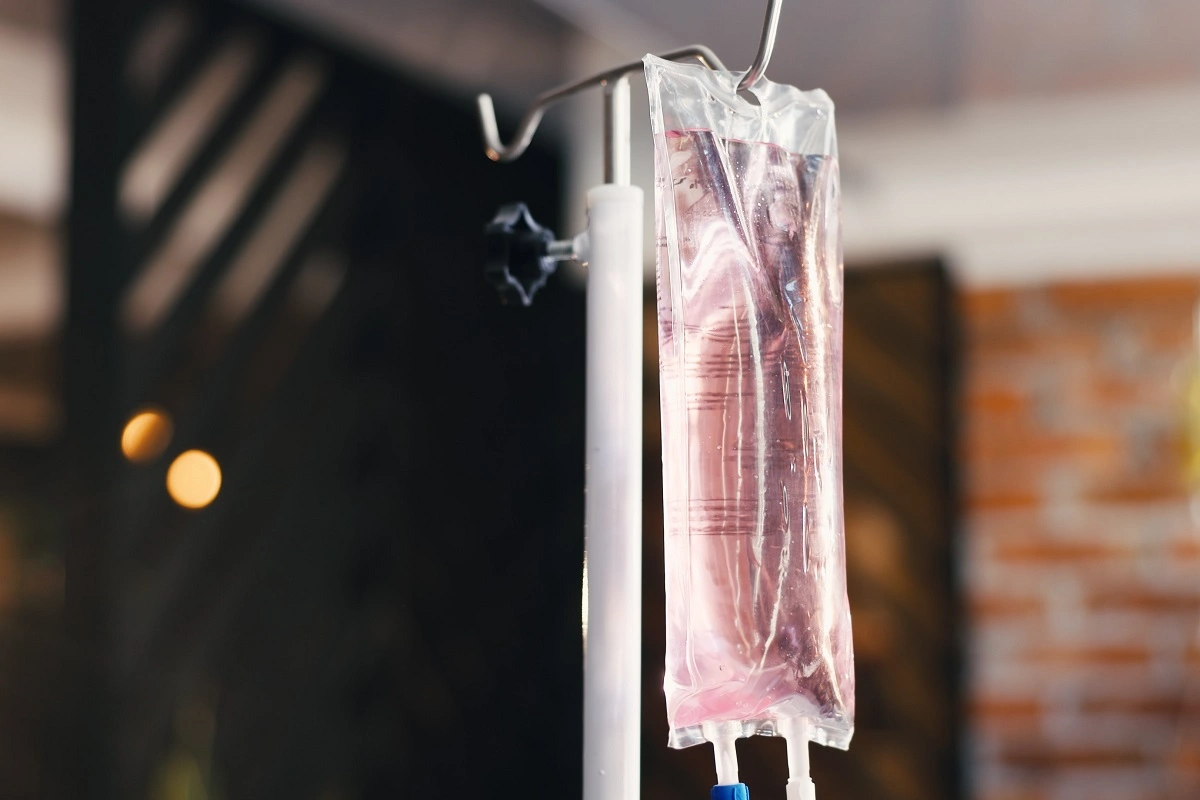 The researchers note previous studies demonstrate that oral iron is not effective for patients with other forms of heart failure, likely due to poor gastrointestinal absorption.The researchers used IV iron as they note previous studies demonstrate that oral iron is not effective for patients with other forms of heart failure, likely due to poor gastrointestinal absorption.
All participants completed cardiopulmonary exercise testing before and 12 weeks after the infusion. At 12 weeks, the researchers reported that peak oxygen uptake (VO2), a key indicator of cardiorespiratory fitness, improved by 1.2 mL/kg/min in the intervention group, a gain of around 9%, while it was unchanged in the placebo group.
Wider functional gains
Patients who received the infusion also saw their iron levels rise, according to the study. They walked farther in six minutes, performed better at lower exercise intensities, and improved their New York Heart Association class compared with those on placebo.
Findings also show that patient-reported health scores, measured by the Kansas City Cardiomyopathy Questionnaire, did not differ significantly between groups. Additionally, there were no serious adverse events related to the treatment.
However, the authors say further research is needed because the study was conducted with a small, predominantly white population. Moreover, since participants were assessed at 12 weeks, longer follow-up is necessary to show whether the benefits last.
“The improvement we observed in peak VO2 represents a clinically meaningful increment for patients with heart failure,” says senior author Dr. Rajeev Malhotra, who is associate director of the Cardiopulmonary Exercise Laboratory at the Mass General Brigham Heart and Vascular Institute and associate professor of Medicine at Harvard Medical School.
“The next step is to determine whether IV iron can improve long-term clinical outcomes in patients with HFpEF.”
Lewis and Malhotra have served as advisors for Pharmacosmos, which produces ferric derisomaltose. The study was funded by the US National Heart, Lung, and Blood Institute, and Pharmacosmos is listed as a collaborator on the trial’s registration.
In other emerging research in the field, scientists at King’s College London reported in August 2026 that urolithin A — a compound produced in the body after eating foods such as pomegranates, walnuts, and some berries — improved measures of heart function by up to 80% in animal models of HFpEF.