




High-fat diet allows bacteria to move from gut to brain in mice via “anatomical highway”


Key takeaways
- New research suggests a high-fat diet increases gut permeability, which allows bacteria to travel directly to the brain through the vagus nerve.
- Researchers identified bacteria in the brains of mice with Alzheimer’s disease, Parkinson’s disease, and autism, regardless of their diet.
- The process appears to be reversible, as the bacteria disappeared from the brain once the mice were returned to a standard, balanced diet.
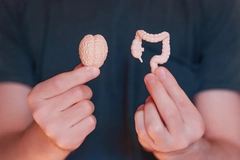
A high-fat diet may cause gut dysbiosis that allows bacteria to move from the gut to the brain, according to a new mouse model study. The study suggests potential implications for the human gut microbiome, which is known to indirectly interact with the brain through immune pathways, neuroendocrine signaling, or secretion of metabolites.
However, the mechanisms by which gut bacteria directly interact with the brain remain poorly understood.
“The brain is largely presumed to be a sterile site, so we were surprised to observe bacteria in the brain at all,” lead study author David Weiss, Ph.D., tells Nutrition Insight. Weiss is an infectious disease expert at Emory University, US.
“In addition, it was surprising how a change in diet for a relatively short time was sufficient for bacteria to reach the brain.”
Intestinal permeability causing migration
In the study, researchers fed mice a nine-day, high-fat (Paigen) diet, known to alter the gut microbiome and increase gut permeability.
Gut permeability was attributed to elevated levels of specific bacterial species in the gut, including Staphylococcus, Bacteroides, and Akkermansia, and a reduction of gut commensal lactobacilli in the feces, compared to a control group.
Similarly, Paigen diet mice had an increased abundance of the bacterial families Staphylococcaceae, Bacteroidaceae, and Akkermansiaceae, and a decreased presence of Lactobacillaceae, based on fecal samples.
The researchers found that a small number of bacteria translocated from the gut to the brain, which they say likely occurred through the vagus nerve.
To determine whether the intestinal permeability in Paigen diet-fed mice might lead to bacterial transfer out of the intestine, the scientists tested bacteria levels in fecal pellets and the ileum, as well as in organs such as the lung, heart, kidney, spleen, brain, and the blood.
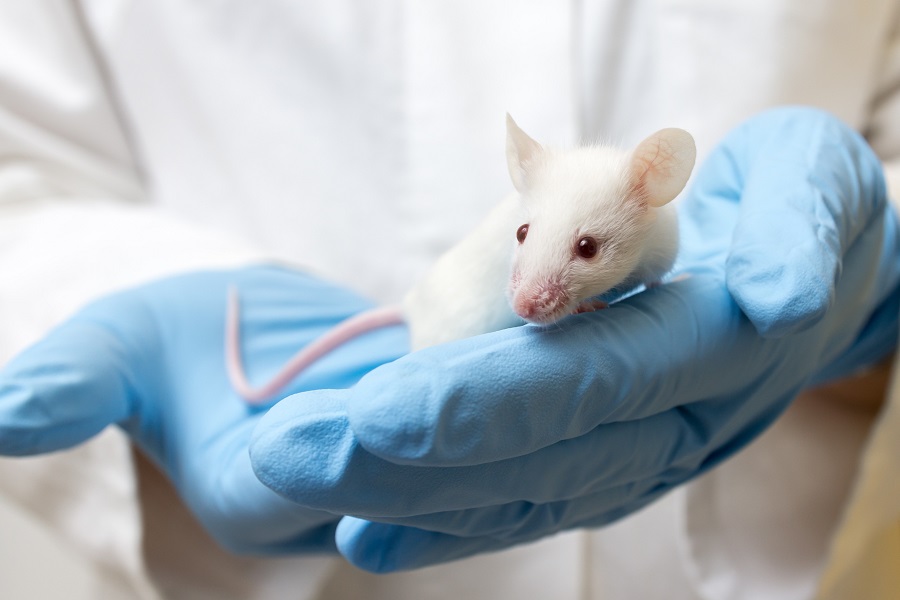
The researchers found that a small number of bacteria translocated from the gut to the brain, which they say likely occurred through the vagus nerve.
They did not observe any similar bacterial transference across most systemic organs or the blood.Pathway to the brain
While the incidence of multiple neurological conditions is increasing, the initiating causes are largely unknown, according to the study authors. They claim that this novel pathway through which gut bacteria reach the brain could drive numerous neurological diseases.
In the study published in PLOS Biology, scientists monocolonized germ-free mice with Enterobacter cloacae and only cultured the bacteria from the brains of mice fed a Paigen diet, but not those fed standard diet.
Researchers observed that the bacteria in the mice’s brains disappeared after they returned to a normal diet. “Our data indicate that bacteria can use the vagus nerve as a sort of anatomical ‘highway’ to reach the brain,” says Weiss.
“The disappearance of bacteria from the brain after returning to a normal diet shows that this is a dynamic process and offers great hope that it is possible to intervene to prevent this pathway and improve our health.”
Notably, the researchers also found small amounts of bacteria in the brains of mice with Alzheimer’s disease, Parkinson’s disease, and autism — even when those mice were fed a normal control diet.
“This raises the possibility that bacteria reaching the brain could be an initiating trigger for multiple neurological diseases,” Weiss suggests. “However, this will require much more research.”
Additionally, antibiotic treatment disrupted the composition of the gut microbiome and changed the bacteria that migrated to the brain as a result of a Paigen diet.
The researchers also conclude that the presence of bacteria in the brains of Paigen diet-fed mice was not due to increased blood-brain barrier permeability, which was not observed in any of the mice used in the study.
Gut-brain crosstalk
The findings add to growing evidence that the gut-brain axis plays a role in neurological disorders and even broader health outcomes.
One previous study found that bacterial metabolites in the gut may affect the heart by interacting with specific brain neurons — revealing a new gut-brain-heart connection. Researchers suggest metabolites from diet changes or supplements might help prevent cardiovascular disease.
However, more research is needed to understand whether a similar phenomenon occurs in humans and what role, if any, these bacteria may play in neurological disorders.
“It will be necessary to study brains from humans to try to detect the presence of bacteria,” concludes Weiss.