



Gut-brain axis and botanicals fuel next-gen sleep and stress supplements


Key takeaways
- Experts say the future of sleep and stress supplements lies in personalized, microbiome-driven, and systems-level solutions backed by clinical science.
- Companies are increasingly focusing on probiotics and botanicals that target the gut-brain axis, cortisol regulation, and resilience rather than offering short-term relief.
- Wearables, AI-driven analytics, and biomarker-led research are expected to accelerate tailored sleep and stress nutrition products with measurable outcomes.

The nutrition industry is turning to the gut-brain axis, botanicals, and personalized solutions to drive innovation in sleep and stress management, as consumers increasingly seek holistic solutions for emotional well-being.
Nutrition Insight catches up with Probi, Novonesis, TriNutra, and Nektium to explore how clinical science, probiotics, botanical extracts, and multifunctional ingredients are reshaping supplements through systems-level support.
Mary Farrell, scientific affairs manager at Probi, says that one of the main opportunities in sleep and calm enhancers lies in holistic, microbiome-driven solutions that address the root causes of stress and sleep disruption, rather than offering short-term relief. She adds that probiotics are well-positioned to support stress resilience via the gut-brain axis.

“However, this also brings challenges. The category must respond to increasing demand for clinical validation, regulatory scrutiny, and consumer trust, particularly as claims around mental well-being become more sophisticated.”
“Nutraceutical developers must bridge this gap through robust science, targeted formulations, and strong partner support to deliver differentiated, credible solutions in an evolving and highly competitive space,” she recommends.
Marcus Böhme, Ph.D., science and technology lead within Mental Health at Novonesis, says sleep- and stress-targeted solutions are evolving into a foundational pillar of mental, metabolic, and cognitive health.
He adds that ingredients like psychobiotics enable products to address sleep and calm through stress modulation and gut-brain signaling, expanding relevance beyond traditional sleep aids.
“Challenges include consumer education and expectation management,” he details. “Clearly communicating gradual, biology-aligned benefits — along with navigating regulatory and substantiation requirements — will be critical for success.”
Holistic health support
Farrell says the future of sleep and calm enhancers is moving toward holistic, science-driven interventions, including targeting the gut-brain axis and circadian biology to deliver lasting benefits.
 Böhme says that ingredients like psychobiotics enable products to address sleep and calm through stress modulation and gut-brain signaling.“We are seeing growing validation of the microbiome’s role in regulating stress, sleep architecture, and emotional balance, unlocking new opportunities for more precise and durable solutions.”
She also highlights multibiotic and synbiotic strategies, which combine probiotics with pre- or postbiotics to enhance functionality and deliver more sustained microbiome modulation.
“Strain-specific clinical research and biomarker-led substantiation will become increasingly central to the category. Rather than broad claims, brands will need to demonstrate measurable impacts on endpoints such as sleep quality, cortisol levels, or perceived stress.”
Farrell adds that several innovations are set to redefine the space, such as microbiome-informed personalization, where interventions are tailored to individual stress or sleep profiles.
Moreover, she points to postbiotic and metabolite-based solutions with improved stability and precision and advanced delivery systems that optimize viability and timing in line with circadian rhythms.
Impact of cortisol
Meanwhile, Dr. Liki von Oppen-Bezalel, business development director at TriNutra, says consumers are increasingly aware of the detrimental effects of chronic or dysregulated cortisol on sleep, stress, cognitive function, weight gain, cardiometabolic health, and general well-being.
Therefore, the company foresees these categories gaining significant momentum. “Innovations and science advances include those that can work as a ‘systems-level modulator’ rather than a ‘single-pathway’ stimulant or suppressor,” she details.
Von Oppen-Bezalel says TriNutra’s ThymoQuin, a patented black seed oil ingredient, acts as an adaptogen — helping the body better deal with stress. “There are studies showing effects on inflammation, oxidation, glucose, blood pressure, the microbiome, the immune system, mood, and now cortisol/dehydroepiandrosterone (resilience).”
 Farrell predicts that strain-specific clinical research and biomarker-led substantiation will become increasingly important in the category.She says this collection of benefits backs the ingredient’s efficacy as a systems-level modulator, as it appears to dampen inflammation, enhance antioxidant defenses, optimize mitochondrial functions, including ATP production, and stabilize the hypothalamic-pituitary-adrenal axis (HPA) output. HPA is a neuroendocrine system that regulates cortisol and gamma-aminobutyric acid, and vice versa.
“The net effect is a biochemical network that can better handle stress, improve resilience, vitality, relaxation, and circadian rhythm, including healthy sleep cycles,” says Von Oppen-Bezalel.
Personalized sleep solutions
Novonesis’ Böhme predicts that personalized nutrition will be transformative for sleep and stress products.
“Wearables capturing psychophysiological parameters such as heart rate variability, sleep stages, and stress load, combined with microbiome profiling and AI-driven analytics, may enable more precise consumer stratification and segmentation, accelerating the development of personalized sleep and stress-relief nutrition solutions.”
“Psychobiotics are particularly well suited to personalization, as baseline microbiome composition influences efficacy,” he adds. “Future platforms may recommend specific strains or synbiotic combinations, including strains like Bifidobacterium longum 1714 (ProbioBrain), based on stress sensitivity, immune, and microbial markers.”
Böhme says the personalization trend shifts products from static supplements to adaptive, data-informed interventions with measurable outcomes.
Von Oppen-Bezalel at TriNutra also anticipates an expanded use of wearable devices, highlighting that these will get smarter as they collect more specific data.
 Von Oppen-Bezalel anticipates an expanded use of wearable devices, highlighting that these will get smarter as they collect more specific data.“In addition, the increased use and reliance on AI-driven platforms have raised awareness of ingredients and products for sleep and stress relief. I believe that these platforms will enable the use of more specific, personally adjusted dosages and individually fit ingredient combinations that will provide optimized, best outcomes for the person using them.”
Science-backed support
In addition to personalized solutions, the experts highlight that clinical substantiation will remain crucial in the space. Probi’s Farrell adds that differentiation will increasingly rely on strain-specific solutions and clear mechanism-of-action storytelling.
“Consumers are becoming more educated and expect products to demonstrate measurable benefits, particularly around stress reduction and sleep quality.”
She says solutions with clinically backed effects, like Probi’s L. plantarum HEAL9 strain, also enable brands to move beyond generic claims toward credible, science-backed positioning.
“At the same time, combining such strains with complementary actives and delivering them in convenient, lifestyle-aligned formats will be key. Ultimately, brands that can translate complex science into clear, benefit-led communication backed by clinical data will be best placed to succeed.”
Von Oppen-Bezalel recommends that suppliers back ingredients with human clinical data and a transparent supply chain, to stand out in a competitive market for sleep and stress products.
“When it comes to high-quality, cold-pressed, standardized black seed oil like ThymoQuin for supporting sleep and relieving stress, the most important factor is fully understanding the oil’s composition and true cold-pressed process conditions.”
Specifically, she highlights the oil’s free fatty acids (FFA) level, as this is indicative of oil rancidity, and the product’s level of thymoquinone, a key active molecule.
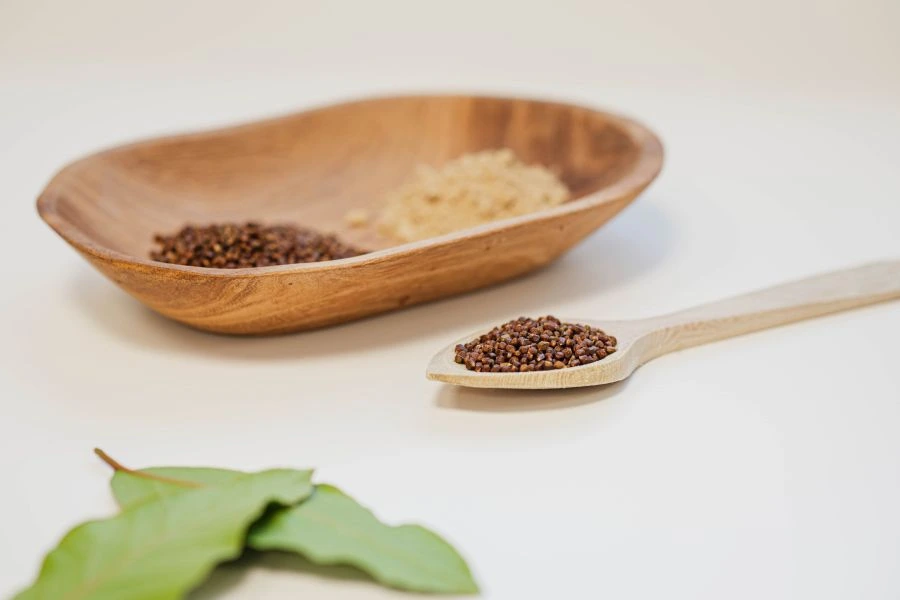 Vanizem is clinically proven to deliver significant results at low daily doses of 100–150 mg within just two to three days (Image credit: Nektium).“FFA forms in black seed oil because of oxidation during extraction and processing,” Von Oppen-Bezalel explains. “Too-high FFA levels (or acidity) can deplete the thymoquinone efficacy, quality, stability, and bioavailability. The ideal FFA percentage is less than 2%.”
“Overall, ensuring a product’s purity and efficacy is the most crucial aspect when developing a sleep and relaxation finished product. Consumers want fast-acting products to help them throughout the day or to support a more restful night’s sleep.”
Botanical boosts
Elena García, scientific product and communication manager at Nektium, highlights the company’s botanical ingredient Vanizem, an extract of Afromomum melegueta seeds that is standardized to 10% total vanilloids.
“Vanizem is supported by a randomized, double-blind, four-arm crossover trial for robust efficacy verification,” she details. “The results showed significant reductions in anxious feelings and stress-related tension and improvements in mood and sleep quality, with no side effects.”
She notes the ingredient’s speed of action offers a competitive advantage. “Traditional adaptogens like ashwagandha often require weeks of high-dose supplementation of at least 600 mg to show results. In contrast, Vanizem is clinically proven to deliver significant results at low daily doses of 100–150 mg within just two to three days.”
Moreover, García says that pairing Vanizem with other ingredients with known efficacy offers opportunities for product differentiation in a crowded marketplace.
“For example, women experiencing perimenopause or menopause often face heightened levels of stress, mood swings, and sleep disturbances. One clinical trial investigated the effects of Vanizem on sleep and energy disturbances.”
She says the trial used Vanizem together with a soybean isoflavone extract to target vasomotor symptoms and a pomegranate skin extract to target skin and bloating issues. “EEG observations highlighted Vanizem as a key component of the botanical formula, which overall significantly counteracted menopausal symptoms after eight weeks of treatment.”