



How probiotics and holistic health innovations revolutionize stress and sleep solutions


Key takeaways
- Advances in sleep and stress regulation increasingly focus on interconnected systems, emphasizing gut-brain axis communication for mental health benefits.
- The growing shift toward precision, mechanism-driven solutions is paving the way for tailored products that promote long-term mental resilience and stress regulation.
- Biotics, alongside emerging technologies like AI and microbiome sequencing, are transforming the development of personalized, holistic sleep and stress solutions.

The nutrition industry highlights that sleep and stress management are increasingly recognized as interconnected processes, driving demand for innovations along the gut-brain axis and personalized solutions. Moreover, consumers seek natural and science-backed solutions with long-term well-being benefits that offer sustainable improvements in sleep quality and stress resilience.
Nutrition Insight dives into the developments and science behind sleep solutions and calm enhancers with Novonesis, Clasado Biosciences, Nektium, TriNutra, Arjuna Natural, and Probi.
Marcus Böhme, Ph.D., science and technology lead within Mental Health at Novonesis, says that sleep and stress regulation are now understood as interconnected multi-system processes. These involve multiple layers in the bidirectional gut-brain axis communication, including endocrine and immune signaling, circadian biology, and neuroactive metabolites.
“Among the most compelling advances is the growing body of evidence around psychobiotics, live microorganisms with demonstrated mental health benefits,” he details.
He notes that brands that succeed will focus on mechanism‑based storytelling, moving beyond generic “sleep” or “relaxation” messaging toward defined outcomes such as stress resilience and emotional regulation.
“Aligning products with daily‑use solutions that support long‑term mental well-being rather than short‑term knock‑out effects will resonate strongly with consumers seeking sustainable improvements in sleep quality, stress resilience, and daytime functioning,” he adds.
Dr. Lucien Harthoorn, R&D director at Clasado Biosciences, highlights that developments connecting the gut microbiome and sleep are “some of the most interesting” ones.
“For a long time, the sleep health category has focused on ingredients, such as melatonin, magnesium, or valerian root. These ingredients are well established for addressing symptoms, but not necessarily the biological systems that shape sleep health.”
 Stress physiology, inflammatory signaling, and gut microbial metabolite production can affect sleep health, says Harthoorn (Image credit: Clasado Biosciences).Harthoorn also expects a change from individual symptom management to “systems-level thinking.”
“Stress physiology, inflammatory signaling, and gut microbial metabolite production can all affect sleep health. Formulations that address these upstream mechanisms could produce more consistent, more explainable outcomes.”
Gut-brain axis
Harthoorn explains that gut bacteria, specifically bifidobacteria, play an important role in stress management. For example, they interact with the neuroendocrine hypothalamic-pituitary-adrenal axis (HPA), which regulates cortisol and gamma-aminobutyric acid (GABA), and vice versa.
“The gut microbiome also produces metabolites that can influence stress, calmness, and sleep,” he details. “These include short-chain fatty acids like butyrate, which play a key role in the metabolism of the amino acid tryptophan, a precursor of neurotransmitter serotonin and hormone melatonin.”
Harthoorn adds that the gut microbiome is also responsible for producing neurotransmitters such as GABA, which is integral for sleep health, which is typically only associated with the brain. “Ingredients that increase bifidobacteria abundance therefore have a credible, mechanism-grounded case in the sleep category.”
Clasado Biosciences’ Bimuno GOS (galacto-oligosaccharides) selectively nourishes bifidobacteria in the large intestine. Harthoorn notes the ingredient has clinical data showing reduced waking cortisol levels and improved attention to positive stimuli versus a placebo.
“Real-world evidence from over 1,100 supplement users showed meaningful improvements in sleep quality, which is exactly the kind of backing that formulators and consumers selecting supplements look for.”
Precision solutions
Novonesis’ Böhme anticipates the category to move beyond generic calming products toward precision and “mechanism‑driven” solutions.
“Advances in neuroscience, microbiome science, and systems biology will enable clearer identification of biological stress pathways and individual response profiles,” he predicts.
 Böhme anticipates the category to move beyond generic calming products toward precision and “mechanism‑driven” solutions (Image credit: Novonesis).He says that psychobiotics such as Bifidobacterium longum 1714 (ProbioBrain), supported by mechanistic and clinical evidence, can help redefine the category as one centered on mental resilience and adaptive stress regulation rather than short‑term calming.
“First and foremost, brands should prioritize products that are backed by strong, credible data,” advises Böhme. “In the probiotic space in particular, this means selecting strains and formulations that are supported by well-designed clinical studies demonstrating clear health benefits.”
He notes that psychobiotics like ProbioBrain — backed by human clinical evidence for improved stress resilience and sleep quality — demonstrate that strong scientific substantiation can drive differentiation and support premium brand positioning over generic probiotic blends.
“Transparency around formulation, strain specificity, and usage rationale will further build trust with increasingly informed consumers.”
Natural emotional balance
Elena García, scientific product and communication manager at Nektium, spots a growing demand for natural, fast-acting, and safe solutions with scientifically proven benefits, while many consumers stay away from sedative solutions that make them feel sluggish.
She says that Nektium’s patent-pending Vanizem botanical solution supports these demands by promoting emotional balance and mental well-being quickly, without causing drowsiness, and is suitable for daytime use.
“It’s an extract of Afromomum melegueta seeds that is standardized to 10% total vanilloids and contains three main bioactives — 6-gingerol, 6-shogaol, and 6-paradol.”
“Clinical and in vitro research support its benefits for mood, sleep quality, and effective management of day-to-day stress and anxious feelings. Given that these issues are often interconnected, addressing them together is an effective strategy,” she adds.
Moreover, García says research has shown that Vanizem acts on the endocannabinoid system, improving general mood and sleep quality and reducing anxious feelings. By modulating these pathways, it breaks the negative cycle of stress-mood-poor sleep in as little as three days.
Within this system, Vanizem inhibits the fatty acid amide hydrolase (FAAH) enzyme, which is responsible for breaking down anandamide or the “bliss molecule.”
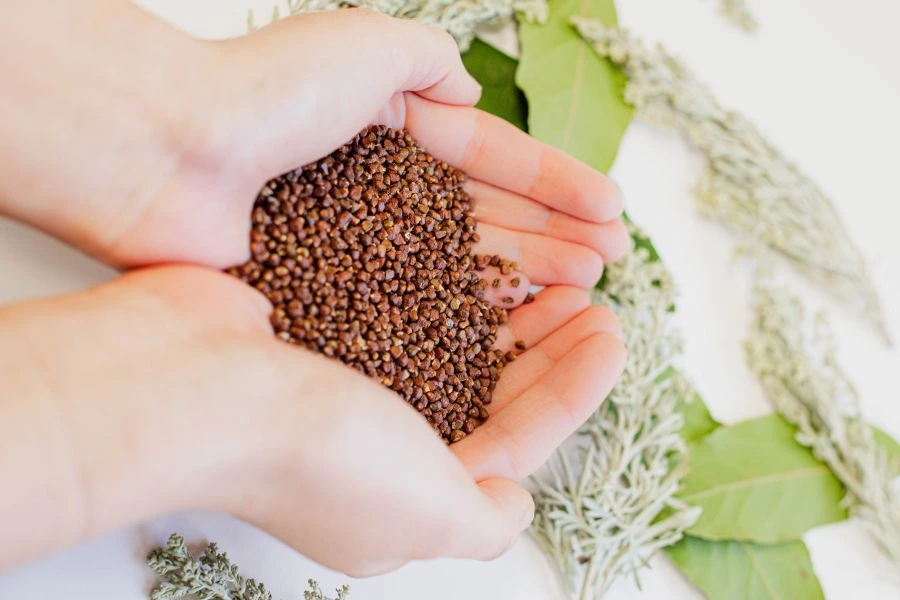 Vanizem acts on the endocannabinoid system, improving general mood and sleep quality and reducing anxious feelings (Image credit: Nektium). García says that this molecule is a modulator of stress and emotional balance. “Under stress conditions, FAAH activity increases, reducing anandamide levels and leading to heightened anxious feelings and mood disturbances.”
“By inhibiting FAAH, Vanizem restores anandamide levels, reducing stress and improving mood, which in turn can improve sleep quality.”
The role of cortisol
Dr. Liki von Oppen-Bezalel, business development director at TriNutra, highlights how cortisol impacts sleep. This hormone, produced by the adrenal glands, plays a crucial role in the body’s response to stress and helps manage energy by mobilizing glucose and modulating inflammation.
“However, chronic stress can lead to elevated cortisol levels, which in turn drive chronic inflammation and significantly impact mental well-being, sleep, and cognitive function, as well as cause adverse health issues such as weight gain and blood glucose concerns.”
She also notes there is an inverse correlation between cortisol and melatonin — the “sleep hormone,” which are tightly linked hormones. “When one is up, the other is down; circadian rhythms and sleeping patterns are accordingly. Therefore, a cortisol-reducing agent will be beneficial for relaxation and getting restful sleep.”
She highlights that TriNuta’s ThymoQuin — a US Pharmacopeia-grade, cold-pressed, standardized black seed oil — has demonstrated significant effects on cortisol balance and endocrine function in moderately stressed adults in recent research.
“The eight-week randomized, placebo-controlled design in moderately stressed adults assessed cortisol, dehydroepiandrosterone (DHEA), sleep quality, mood, and vitality to interrogate multi-domain stress physiology.”
 As cortisol and melatonin are tightly linked hormones, Von Oppen-Bezalel explains that a cortisol-reducing agent will support relaxation and restful sleep.Von Oppen-Bezalel says the results found endocrine shifts that favored an HPA rebalancing, resulting in 23% lower cortisol, 10% higher DHEA, and a 29% higher DHEA-to-cortisol ratio linked to stress resilience.
In a different clinical trial, 500 mg of ThymoQuin daily lowered cortisol levels by 44% within four weeks of supplementation in a high-stress environment of endurance athletes. The athletes also reported a more positive mood (+11%).
Sleep meets and stress
Keely Johnson, VP of sales and marketing at Arjuna Natural, notes that research on its branded ashwagandha extracts shows how adaptogens, like Shoden Ashwagandha, can regulate stress, promote restful sleep, and help consumers feel refreshed by balancing cortisol levels throughout the day.
“Currently, most nutraceutical and functional product solutions focus on addressing stress and sleep as standalone health challenges,” she adds. “But the more interesting opportunity lies at the intersection of sleep and stress and the categories driving industry growth right now, particularly women’s health.”
Moreover, she says that sleep is often an overlooked health marker within women’s health. “Time and time again, sleep survey data have shown that women face additional barriers to getting a good night’s sleep.”
For example, Johnson highlights a recent Resmed global survey on 30,000, where 56% of women reported getting a good night’s sleep four days or fewer per week. Meanwhile, 42% of the women cited stress and anxiety as barriers to consistent quality sleep.
“The shift toward gender-specific clinical research is what will redefine sleep and stress categories,” she predicts. “Branded ingredients investing in women-specific studies, such as Arjuna Natural’s Shoden and Shoden-R ashwagandha extracts, give manufacturers clinically supported claims built on data from the populations they’re actually trying to serve.”
As sleep and stress management are no longer about sedation, she underscores that nutraceuticals that prioritize individualized solutions, such as deep sleep, reducing brain fog, and getting calm focus, will appeal more to consumers.
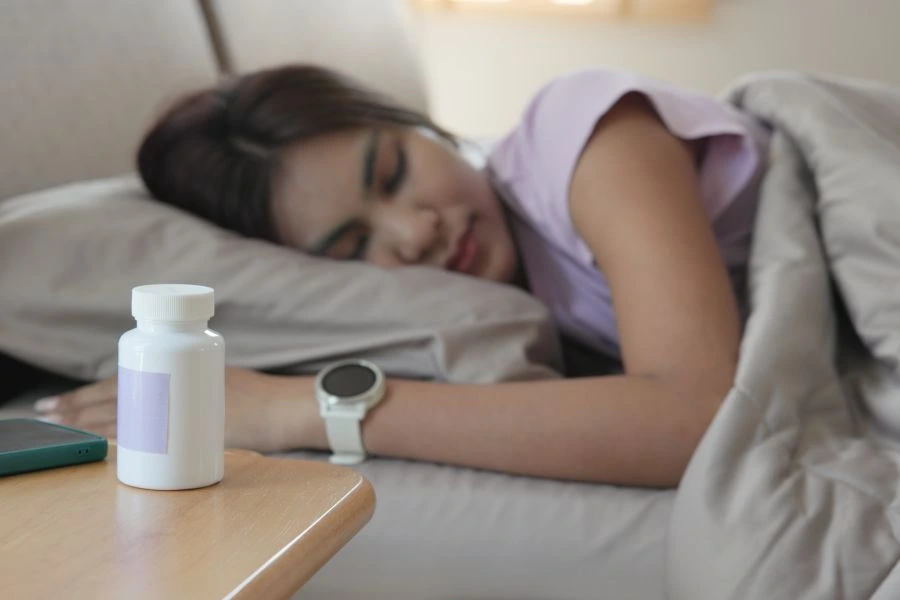 Johnson details that sleep survey data have shown that women face additional barriers to getting a good night’s sleep.“Beyond more targeted sleep and stress need states, we’re just at the beginning of gender-specific supplementation strategies. With layering in AI-powered software applications for personalized advice, we are living in exciting times where technology is finally catching up to the ideal state of personalized nutrition for each individual.”
From the gut to holistic health
Mary Farrell, scientific affairs manager at Probi, says that probiotics and postbiotics are emerging as tools to support longer-term stress resilience and improved sleep.
For example, she highlights Probi’s L. plantarum HEAL9 strain, which has been clinically shown to improve mood and sleep by regulating inflammation, cortisol levels, and emotional well-being. A randomized controlled study on healthy but stressed individuals showed significantly improved learning and working memory after 12 weeks, compared to a placebo.
As the impact of microbiome-based, precision interventions on sleep and stress is becoming clearer, she says emerging technologies are set to transform the development of these solutions.
“Advances in microbiome sequencing, biomarker tracking, and AI-driven insights are enabling a deeper understanding of individual variability in stress responses, sleep quality, and the impact of the gut-brain axis on these functions.”
“This is paving the way for precision psychobiotics, where specific probiotic strains are selected based on their ability to modulate key pathways such as GABA, serotonin, and cortisol and exert systemic effects on the HPA axis.”
At the same time, she says that combining probiotics with actives like botanical ingredients will enable multi-pathway, personalized formulations that address the complex drivers of stress and sleep disruption — from inflammation to circadian imbalance. “These holistic solutions can deliver stronger and more sustained outcomes.”
“Additionally, the convergence of microbiome science and digital health technologies will move the category toward integrated, evidence-based solutions designed for long-term resilience rather than temporary relief,” she predicts.