
Guava juice and iron supplements may address anemia, study suggests

Key takeaways
- A study has found that guava juice, rich in vitamin C and folate, boosts hemoglobin levels when combined with iron supplements, showing greater improvement than supplements alone.
- The effect is notable in adolescent girls and pregnant women, a group vulnerable to anemia and iron deficiency.
- Researchers suggest integrating guava juice into public health programs as a low-cost strategy to prevent mild-to-moderate anemia, though further studies are needed.
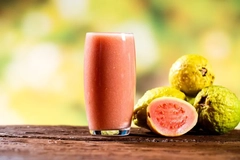
A review has found that guava juice, in combination with iron supplements, boosts blood hemoglobin levels more than solely taking these supplements. The researchers urge that this finding may be worth including in dietary counseling for anemia prevention.
Guava is rich in folate, vitamin A, and dietary fiber, and has a modest amount of iron. Meanwhile, it is rich in vitamin C, with four times as much as oranges, which also boosts the uptake of iron.
Anemia is highly prevalent among females, especially due to iron deficiency. Adding natural sources such as guava to iron supplementation may serve as a natural adjunct to iron therapy, the authors argue.

The study stresses that iron deficiency remains the most common cause of anemia in women of reproductive age, particularly in low- and middle-income countries where nutritional challenges, inadequate dietary diversity, and high infection burdens persist. It reports that 48.9% of pregnant women and 32% of adolescent girls suffer from anemia.
Iron deficiency also affects many US adults without anemia, heart failure, chronic kidney disease, or current pregnancy, according to a previous survey. Its authors called out for further studies to determine the optimal absolute screening strategy, as screening recommendations “may miss 70% of iron deficiency cases among children and during pregnancy.”
Integrating guava juice
The meta-analysis review, published in the BMJ Prevention & Health, included previous studies on females in Indonesia, including adolescent girls and pregnant women.
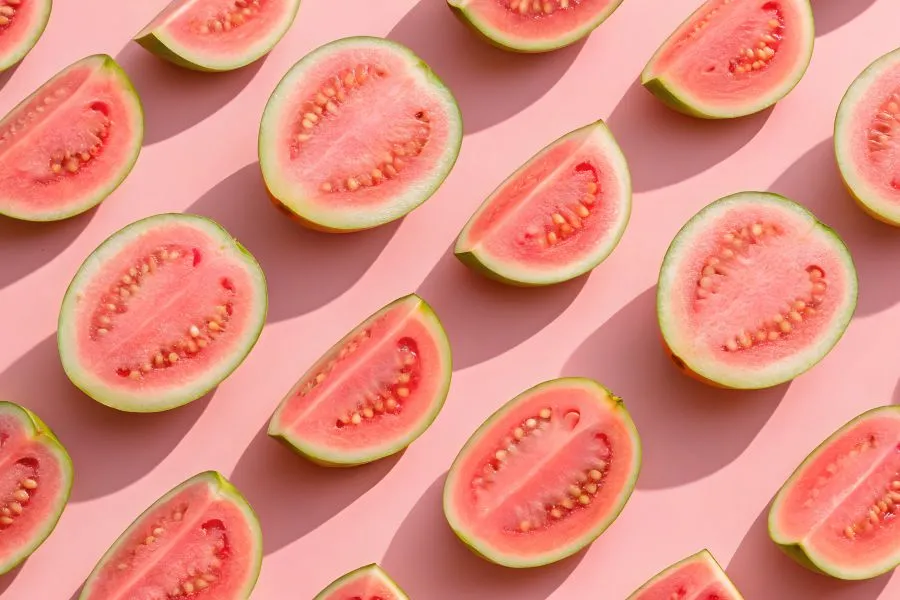 The study found that there was an average greater difference of 1.29 g of hemoglobin per dL in the group consuming guava juice in combination with supplements.It included 17 studies in qualitative synthesis and 12 in quantitative synthesis, published from the year 2000 onwards. Six involved adolescents and 11 involved pregnant women. Nine studies evaluated the effects of guava juice in combination with iron supplements.
The review found that, from the 12 quantitative studies, the pooled average difference in hemoglobin levels was 1.71 g per dL of blood, which indicates an overall improvement after consuming guava juice.
Among teenage girls, the difference after consumption was 1.52 g per dL, and among pregnant women, the difference was 1.84 g per dL.
Five of the studies compared guava juice consumption in combination with iron supplementation, versus solely taking iron supplements, and found that there was an average greater difference of 1.29 g per dL in the group consuming guava juice.
This increase could shift individuals suffering from mild to moderate anemia into a healthy range, improving cognitive function, productivity outcomes, and fatigue, argue the researchers.
“Integrating guava juice into school nutrition programs, antenatal care packages, or community health initiatives could represent a feasible approach to address mild-to-moderate anemia, aligning with the UN’s Decade of Action on Nutrition (2016–2025), which emphasizes dietary diversification and locally sourced nutrient-rich foods,” the researchers say.
“Given its nutritional richness, affordability, and cultural acceptance across Asia, guava juice offers a promising low-cost intervention. Strengthening local supply chains, standardizing formulations, and embedding such dietary approaches within public health nutrition programs could collectively contribute to more sustainable anemia control.”
Limitations to findings
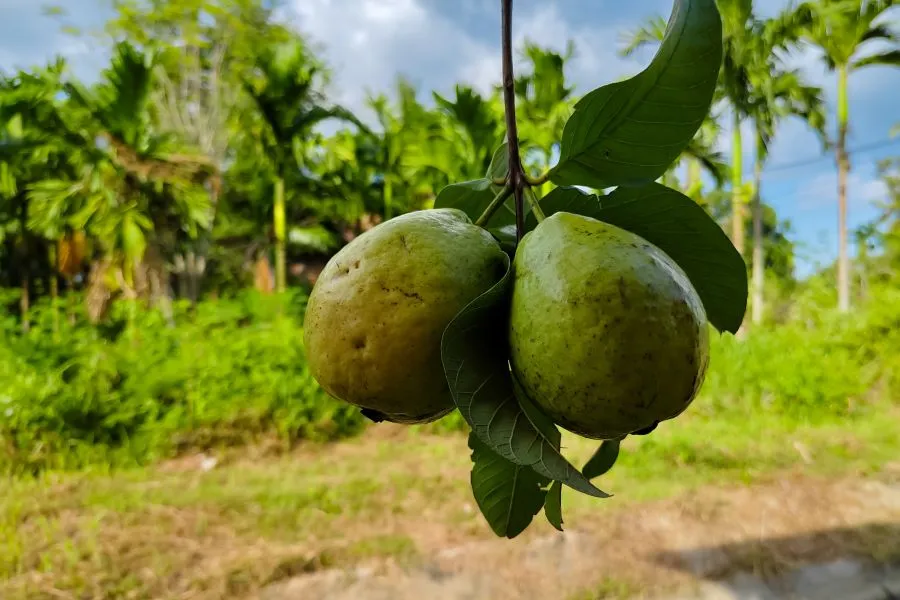 The authors point out some limitations of the study, as all studies were rather small in sample size, and they were all carried out in Indonesia.The authors also point out some limitations of the study, as all studies were rather small in size, and they were all carried out in Indonesia. The measured dose and variety of guava differed, and so did the intervention duration, study designs, and participant characteristics.
Meanwhile, many of the included studies had a quasi-experimental design, restricting causal interference and opportunities for long-term follow-up to observe whether the results are sustainable and if long-term improvements in hemoglobin levels occurred.
“This study builds on the established role of dietary sources high in vitamin C to enhance iron absorption and improve the effectiveness of iron supplementation,” comments professor Sumantra Ray, chief scientist and executive director at the NNEdPro Global Institute for Food, Nutrition and Health, which co-owns BMJ Nutrition Prevention & Health.
“But quasi-experimental research, the wide variation in study design, small sample sizes, and limited length of follow-up mean that caution is required when interpreting the findings. Without further rigorous research, defining the best therapeutic dose and period of use, guava juice can’t be recommended as an alternative to conventional treatment in those at risk of iron deficiency anemia,” he concludes.