



Gatorade’s Body of Science study maps women’s hydration, sodium & carbohydrate gaps

Key takeaways
- Gatorade’s Body of Science research found that 43% of women arrive at workouts dehydrated, stressing a widespread hydration gap among female athletes.
- The results showed 57% consumed insufficient carbohydrates, and most women did not reach the level of the advised sodium replacement electrolytes.
- The findings stress the need for more personalized hydration and fueling guidance across women’s life stages, including pregnancy, perimenopause, and menopause.
The Pepsi company Gatorade has published the results of its first Body of Science study, revealing imbalances in women’s hydration and nutrition patterns. The study included over 500 women, including athletes across basketball, soccer, and ice hockey, and found that 43% were already dehydrated when showing up to workouts.
Additionally, 57% of the women did not consume enough carbohydrates when exercising, whereas half did not consume carbohydrates at all.
“The data from our first ‘Body of Science’ study is clear — these aren’t small gaps between what women’s bodies need and how they’re fueling. They’re the difference between feeling your best and unknowingly falling short,” says Dr. Kimberly Stein, Ph.D., senior principal scientist at the Gatorade Sports Science Institute (GSSI).

Gatorade stresses that only 6% of sports science focuses on women. It highlights that the results showing this wide variation in women reinforce the need for personalized hydration guidance and the need to close this gap in hydration science research.
 The women replaced on average around 20% of sodium electrolyte losses, compared to the advised 50%.Skipping on carbs
The study examined how female bodies sweat and the level of hydration prior to exercising. It assessed fueling recommendations and how well the women met them — “topics that have historically been understudied,” notes Gatorade.
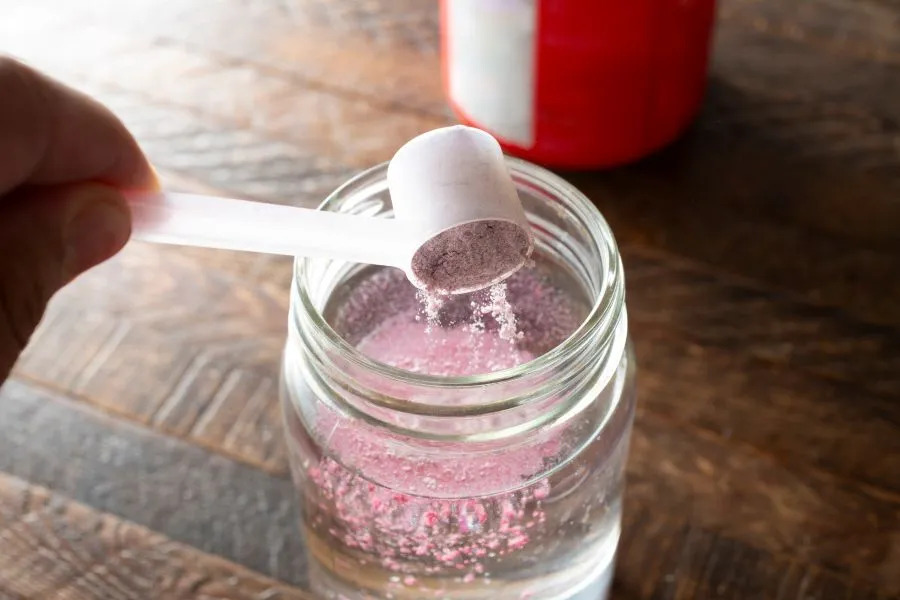
It found that even if drinking sufficient fluids, the women replaced on average around 20% of sodium electrolyte losses, compared to the advised 50%. This may result in muscle cramping, impaired performance, and fatigue.
The GSSI recommends that athletes consume 30–60 g of carbohydrates per hour to support energy and performance when working out. However, 57% were under-fueling on carbohydrates, and half did not consume any.
The researchers also found individual differences in sweat rates, although women sweat less than men on average. Therefore, Gatorade stresses the need for personalized hydration guidance to move away from a one-size-fits-all approach.
“Being armed with this data will help us conduct deeper, more targeted research in future ‘Body of Science’ work,” says Stein.
 Stein previously told us that the menstrual cycle affects hydration needs, sweat rates, and energy requirements.Hydration gap
The study is also looking at different life stages, including premenopause, perimenopause, and menopause. Nutrition Insight previously sat down with Stein ahead of the study results’ publication to discuss how the research may help women fulfill their hydration needs.
She told us that the menstrual cycle affects hydration needs, sweat rates, and energy requirements. Additionally, pregnancy fundamentally alters metabolic demands and fluid needs, while perimenopause and menopause bring their own physiological shifts.
The initiative is using clinical studies to understand how hydration habits, thirst signals, and nutritional requirements change across different activity levels during these critical life moments, she explained.
“The important thing is that we’re studying not just elite athletes, but women across all walks of life, such as college students, working professionals, pregnant women, and women navigating menopause.”
Other recent research by the hydration brand Liquid I.V. revealed that 96% of US consumers consider hydration to be important. However, there is a stark disconnect between awareness and reality, as only 44% of respondents actually reported feeling completely hydrated on a typical day. The company said this “hydration gap” is not driven by a lack of knowledge, but by everyday lifestyle barriers.